
When will house prices bottom out? How should we interpret the Reserve Bank's forecast of a -20% change in house prices?
Two weeks ago, the Reserve Bank of New Zealand raised the Official Cash Rate (OCR) by an unprecedented +75 basis points in a single move and expressed concern about New Zealand's economic outlook for 2023. Major commercial banks then began raising their retail interest rates.
The market is responding to the OCR increase
Two weeks ago, the Reserve Bank of New Zealand raised the Official Cash Rate (OCR) by an unprecedented +75 basis points in a single move and expressed concern about New Zealand's economic outlook for 2023. Major commercial banks then began raising their retail interest rates.
{ad}
The market is now awash with bad news. The OCR has already reached a high of 4.25%, and the Reserve Bank forecasts that it will continue rising next year to a peak of 5.5%. It also expects inflation to rise further and a year-long recession to begin in mid-2023…
Mortgage rates actually began rising sharply last year. Following last week's announcement of a steep OCR increase, ANZ and Westpac led the way with substantial increases in their fixed mortgage rates. The one-year fixed rate, for example, has risen from 2.9% in September last year to around 6% now, while the standard five-year rate has risen to about 7.64%.
These increases in commercial banks' fixed mortgage rates can be seen as the most direct response to the latest OCR rise. Commentators believe the Reserve Bank's move will bring greater repayment pain for countless homeowners.
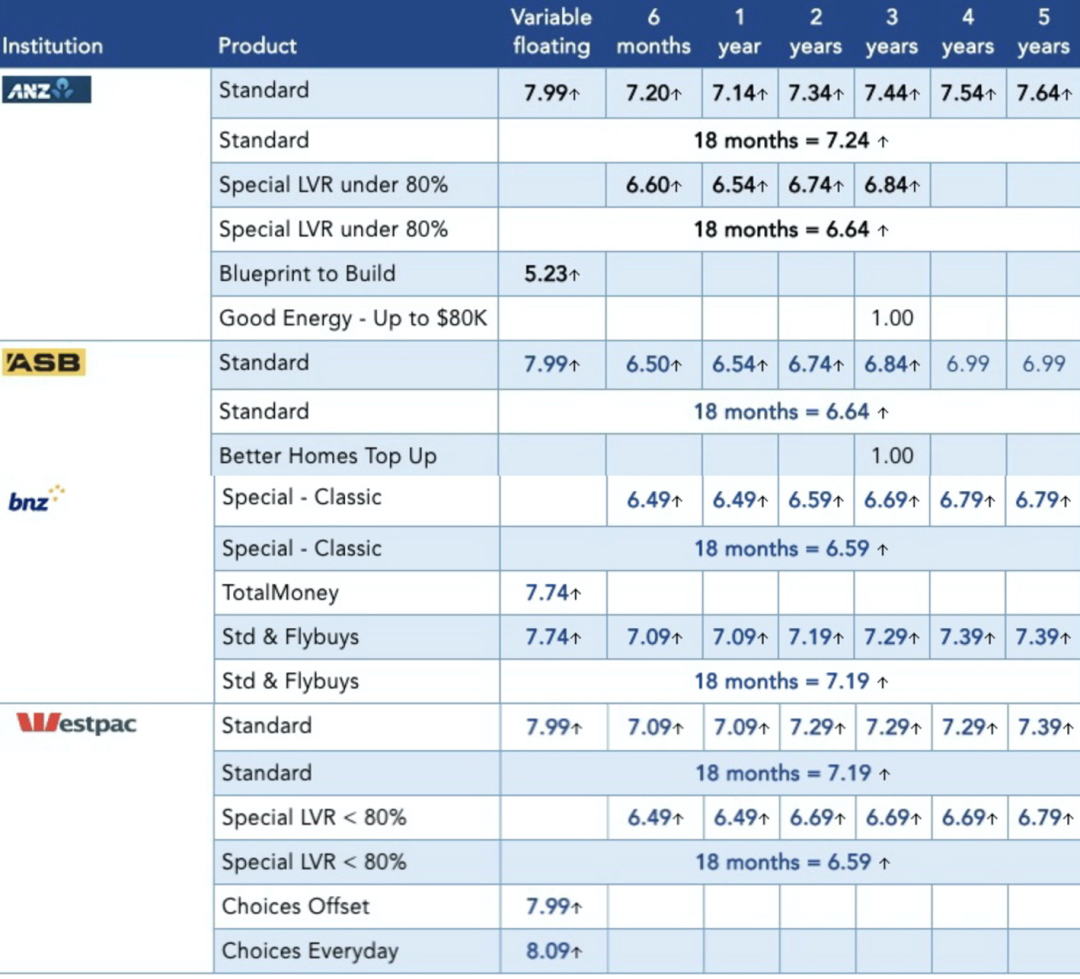
As at 12/6 (month/day), commercial bank mortgage rates across different terms (source: interest.co.nz)
Do not mistake slowing house price falls for the end of the downturn
Many economists predict that the property market was already on thin ice and that another surge in mortgage rates will only drive house prices lower. However, they also believe that, although high interest rates have shaken buyers' confidence, the property market is not yet facing collapse.
Real Estate Institute chief executive Jen Baird said buyers now knew borrowing costs would continue to rise, making access to finance and the ability to repay a mortgage their biggest challenges. Baird said:
“Our October property sales figures show that sales volumes were subdued and properties were staying on the market longer. This is mainly because rising interest rates have left buyers hesitant, worried that they will not be able to cope with heavy repayment pressure in the future.”
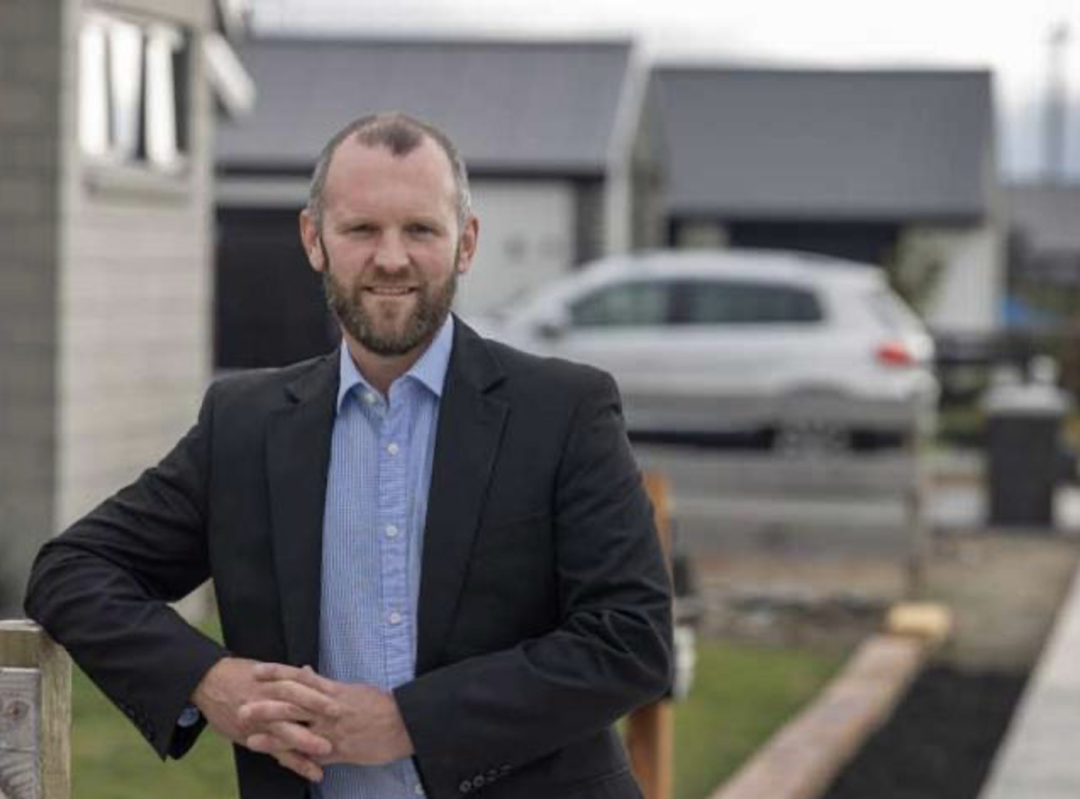
CoreLogic chief economist Kelvin Davidson
CoreLogic chief property economist Kelvin Davidson said currently high mortgage rates, the prospect of recession and a possible rise in unemployment were all having a very negative effect on the property market.
He stressed that unemployment was a crucial indicator. If prospective buyers could not find work, they would be unable to obtain enough finance to buy a home. If existing homeowners lost their jobs and income, they would be likely to struggle to keep paying interest and might even be unable to avoid a mortgagee sale.
Under the Reserve Bank's forecast, an OCR of 5.5% would put further upward pressure on mortgage rates. The one-year fixed rate could then reach 7%, or even 7.5% or higher. Notably, a rate of 7% would increase the cost of a NZ$500,000 mortgage by at least NZ$12000 compared with now.
At the same time, this would severely restrict both the amounts new borrowers could obtain and the number of loans approved. He believes house prices will fall further, potentially ending next year 20% below last year's peak. Even so, New Zealand house prices would remain 15% to 20% above pre-pandemic levels.
Do you think 20% is the limit for house price falls? Economists at ANZ, New Zealand's largest bank, clearly disagree. They believe prices will fall further than the Reserve Bank forecasts, predicting a decline of 22% at the trough, or 32% when adjusted for wage growth.
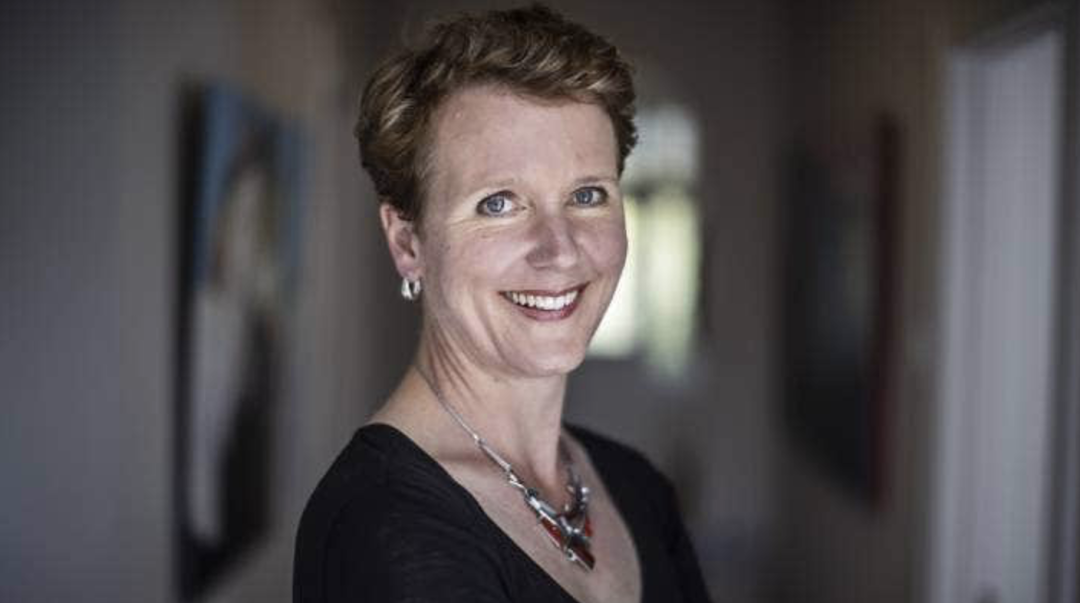
ANZ chief economist Sharon Zollner
ANZ chief economist Sharon Zollner said the current 12% fall in house prices was only half the decline they forecast, with prices likely to bottom out in the third quarter of 2023. The downward momentum had not ended: they expected OCR increases to continue until May next year, meaning mortgage rates were still far from their peak.
She believes rising interest rates and rapidly shrinking borrowing capacity will make entering the property market harder, rather than easier, for first-home buyers. She acknowledged that many recent buyers could face financial difficulties. Some more experienced homeowners, meanwhile, are reducing their debt by making early repayments. Provided they remain employed and their incomes keep growing, this substantially offsets the financial impact of high mortgage rates.
Meanwhile, Zollner warned that if house prices continued to fall, a small proportion of homeowners would still have to consider selling their properties to ease the financial strain caused by high interest rates.
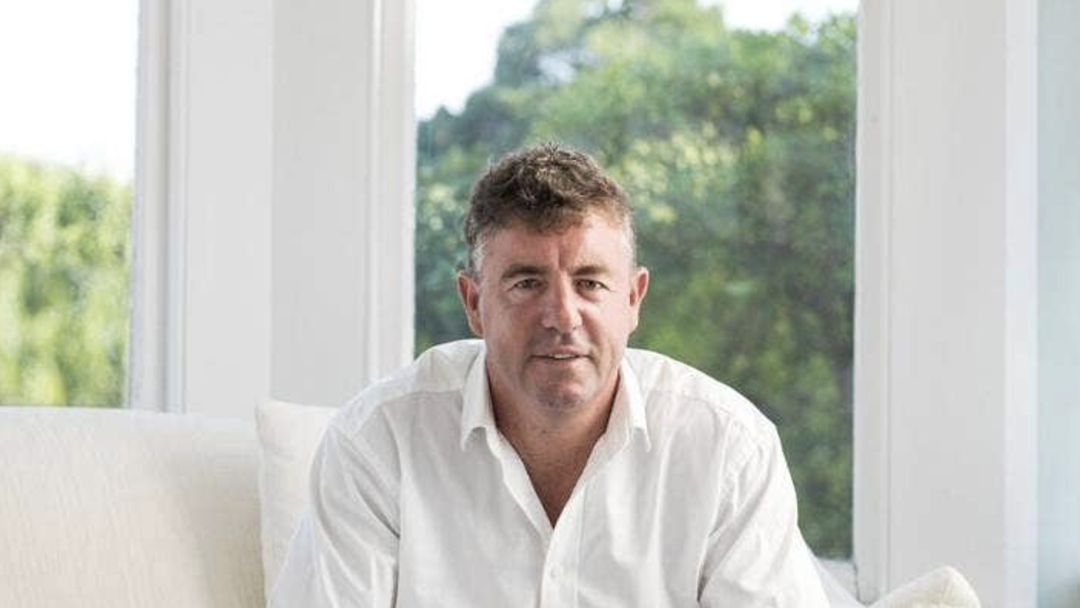
Economist Cameron Bagrie
Economist Cameron Bagrie believes high inflation, high interest rates and the changing global economic situation mean market fundamentals have changed irreversibly. He said that, when forecasting house prices, we could no longer use the “old playbook” of the past 30 years to judge the property market's future performance.
He disagrees that the property market is stabilising. Falling interest rates were the main driver of rising house prices for many years, but that story is now over. Even if high inflation is brought under control, rates will not plunge, and he believes the Reserve Bank of New Zealand will keep them relatively high. Borrowers need to adjust their expectations of borrowing costs over the next 10 years. With high rates, they will also be unable to borrow more from banks for a home than they could previously, inevitably having a more far-reaching effect on house prices. His hope is that falling house prices and rising wages will make homes more affordable and substantially improve the house-price-to-income ratio.
Opes Property economist Ed McKnight is more optimistic about the market. Although the Reserve Bank's recent public forecast that house prices were likely to fall 20% from their peak sounds alarming, most of that decline has already happened: prices have fallen 12% so far. This means a further fall of 8% over roughly the next year.
Real Estate Institute of New Zealand data show that house price falls are slowing and becoming smaller. He believes the property market is cyclical, with rises and falls. Although prices are well below their 2021 boom levels, they remain 38% above the baseline of March 2019. Recent buyers do not need to sell at a loss if they can hold on. The average property holding period is 7 years, and he believes the market will recover in time.