
Experts warn of possible corner-cutting in recently built homes! Are leaky homes on the rise? What to watch for…
Over recent times, we have all witnessed New Zealand’s construction boom. Stats NZ figures released in February show that the number of new homes consented in the year to December 2021 rose by 24%, surpassing the record set in 1974.
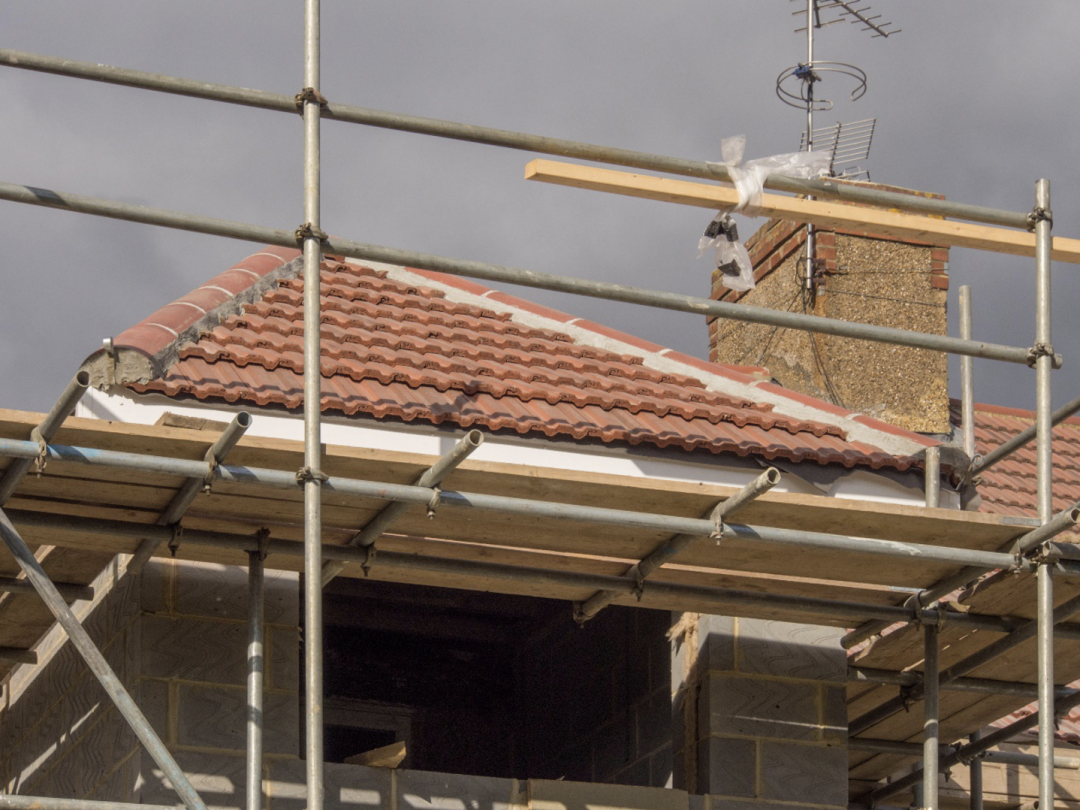
Over recent times, we have all witnessed New Zealand’s construction boom. Stats NZ figures released in February show that the number of new homes consented in the year to December 2021 rose by 24%, surpassing the record set in 1974.
{ad}
However, the building boom has inevitably also brought risks, particularly for people buying new homes.
Experts warn that unqualified, untrained workers entering the labour market have undermined building standards, with many homes developing leaks and structural defects as soon as they are completed… New Zealand’s housing construction boom is creating another crisis comparable to the original leaky homes era.
Construction boom+Labour shortages
What happens when a construction boom meets a labour shortage?
Since the pandemic, industries across New Zealand have faced severe staff shortages, and construction is no exception.
Industry insiders say the labour market is no longer as fair as it was over a decade ago. Under pressure from all sides, many businesses have little choice but to pay high wages to workers whose abilities and skills do not match the work. This not only sends business costs soaring but also leaves hidden risks in newly built homes.
New Zealand Certified Builders chief executive Malcolm Fleming says the construction boom has put the industry under “enormous pressure”, with unqualified, untrained tradespeople sometimes assigned work they cannot carry out.
Homebuyers have also noticed this, with media reporting on the experience of a couple buying their first home.
They had planned to move into their Lower Hutt townhouse soon, but are now seeking legal advice. During a pre-settlement inspection four days before settlement, they found gaps between tiles and walls, marks and cuts in the walls, paint on the carpet and door handles, and missing grout.
“We were shocked by these problems. We had expected that some minor touch-ups might be needed. The developer said they would fix the problems but gave no timeframe and offered no apology. We worked very hard to buy our first home, and now we are completely disappointed.”
By the time they eventually moved in, some problems had been fixed, but others remained.
Are leaky homes making a comeback?
Peter Dyer, who wrote a book about the leaky building crisis, says New Zealand’s current property boom is causing similar problems with leaking buildings.
“Unskilled, unsupervised workers are working flat out… under pressure to finish the job and move on. I would be surprised if we did not see more leaky buildings, or buildings with all kinds of structural defects.”
Roger Levie of the Home Owners and Buyers Association says problems have emerged during the construction boom that leave buildings below the required standards. These range from leaking decks to structural problems and new homes needing substantial structural remedial work.
Amy Moorhead, building policy manager at MBIE (the Ministry of Business, Innovation and Employment), says the ministry is reviewing the Licensed Building Practitioners scheme introduced in response to leaky buildings, and introduced a new code of ethics in October.
This means builders who behave unprofessionally can face disciplinary action, including having their building licences revoked.
How can homebuyers avoid the pitfalls?
New Zealand Certified Builders chief executive Malcolm Fleming recommends that homeowners do more due diligence on builders. He says anyone can call themselves a builder, regardless of their qualifications, so it is important to check whether a builder is qualified and belongs to an industry association.
Due diligence also includes hiring a lawyer to review all contracts relating to construction, land ownership and other important legal aspects of buying a home.
These points can help you assess a builder or developer:
- Read reviews from previous clients.
- Were previous projects delivered on time?
- Have they encountered difficulties with the local council?
- Find out what other developments they are working on and how they will prioritise yours.
- Find out who their subcontractors are—you will need to check them too.
- Look at developments they have completed previously.
- You need to feel comfortable with your builder before proceeding with the purchase.
Most buyers of existing properties commission a builder’s report, but this is less common among buyers of new homes. If you want further assurance that the property is well built, paying for a building inspector may be a good idea.
What details should you check at a pre-settlement inspection?
The pre-settlement inspection is your opportunity to identify problems. You can then tell the developer and builder exactly what needs fixing before settlement.
If you find problems, you can mark them with sticky notes or adhesive red dots to show where work is needed. You should also make your own notes and email a summary to the developer.
To minimise risks at your pre-settlement inspection,
pay attention to the following points:
- Make sure the property is in the same condition as when you signed the sale and purchase agreement.
- Check the hot water cylinder. First, check whether it is switched on. You will need to test the hot water during the inspection, so switch the cylinder on first to give it time to heat up. Once the water is hot, check that the taps work properly and assess the flow.
- Check the paintwork. Look at the paint on the walls and check for splashes on floors and carpets. Under the standard contract, you need to assess the paintwork in natural light from 2 metres away.
- Check windows, doors, cupboards and drawers. Open and close every door, cupboard and window yourself, checking that they open and stay open. Check curtains and blinds while you are at it.
- Check bathroom mirrors. Sometimes mirrors have not yet been installed by the pre-settlement inspection, so do not be surprised. If you find a mirror is missing, leave a note in the bathroom.
- Check power points. Make sure they all work. The easiest way is to bring a phone charger or hairdryer and test each one.
- Check appliances. Do they match those specified in the sale and purchase agreement, including the brands? Check that the heat pump works properly and that all appliances switch on and off.
- Check outside the house. Landscaping may not be 100% complete, but check that the builder has removed rubbish. Also make sure the letterbox and clothesline are in place if they are included in the contract.
- Make sure keys, alarms, garage door openers and security alarm codes are available and work.
Every home has a “right” price. It is essential for buyers to gain a thorough understanding of the property’s overall condition as early as possible and factor all drawbacks into the final price.