
Some welcome good news! New Zealand’s building materials shortages could ease in 2023, with construction costs potentially falling!
In the fourth quarter of 2022, the cost of building a standard single-storey, three-bedroom, two-bathroom brick-and-tile home, excluding land, was around 10% higher than in the same period of 2021
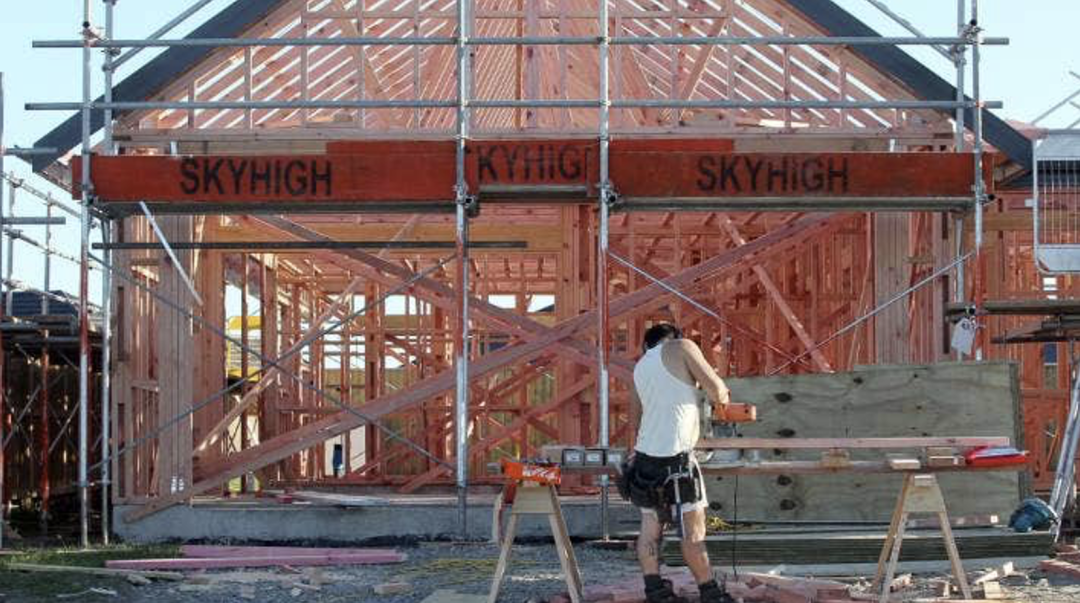
Construction cost growth remained in double digits in 2022
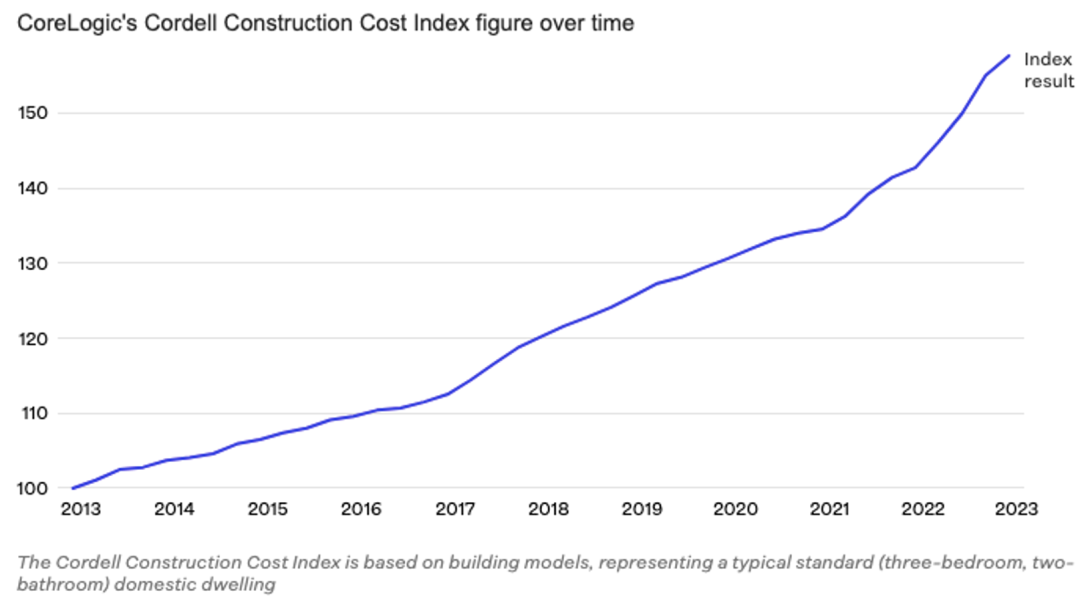
The Cordell Construction Cost Index recently released by CoreLogic
The CoreLogic Cordell Construction Cost Index report released last week shows that, in the fourth quarter of 2022, the cost of building a standard single-storey, three-bedroom, two-bathroom brick-and-tile home, excluding land, was around 10% higher than in the same period of 2021. This was undeniably another record rate of growth. The figures reflect the capacity pressures and building materials shortages that overshadowed the construction industry for most of last year.
However, building materials shortages in the construction sector appear likely to ease, with the report noting that building consent applications will continue to decline this year and in the years ahead, potentially bringing construction costs down. The data shows that building consents approved in November last year fell 1% compared with a year earlier, following a 12% year-on-year decline in October. Two consecutive monthly declines do tell us something: the slowdown in construction is beginning to show up in the figures.

CoreLogic head of research Nick Goodall said the slowdown in construction cost growth was mainly due to fewer building consent applications.
The latest Costbuilder data released by QV shows that the cost of building a standard three-bedroom home in New Zealand’s main centres rose 11.3% in the year to December. Although costs were still rising, the rate showed clear signs of slowing compared with the 20.9% increase recorded a year earlier. Non-residential construction costs rose 8.9% over the year to the end of last year, also below the previous year’s 14% increase.
Notably, in 2022, all construction-related costs rose, including labour as well as materials. The most striking example was the surge in prices caused by severe GIB board shortages. News reports described GIB board being auctioned on Trade Me for six times the retail price.
Costbuilder tracks the costs of more than 8000 building materials and updates its survey report twice a year. QV Costbuilder spokesperson Martin Bisset said the latest figures indicated that rapidly rising construction costs could soon level off, but with growth still reaching double digits last year, there was a long way to go before prices returned to their pre-pandemic stability.
{ad}
Freight and logistics for building materials have improved considerably, but remain an issue for products from China because of strict pandemic controls.
Meanwhile, with inflation intensifying both in New Zealand and internationally, and interest rates rising sharply, construction-related costs may continue to be passed on to end buyers. He reiterated that overall construction costs could continue to rise, even if they no longer increased at the ‘crazy’ pace of recent years.
Since the previous report, framing costs recorded the largest increase, rising by as much as 9.5% as precast concrete, reinforcing steel and structural steel became more expensive. Fireproofing costs rose by an average of 8.9%, followed by plasterboard linings at 8.6%, carpentry at 8.4%, hardware at 7.8%, and external walls and finishes at 7.7%. Stair and balustrade costs rose 7.4% and 6% respectively. Across construction trades, costs increased by an average of 4.6% since May 2022, with drainage costs rising 9.2%. Bisset said averages were the key focus because building costs often depended on the level of finish, internal layout and other factors. For example, some buildings have a single garage and others a double garage, so averages provide the benchmark.
Other key figures released recently:
Employment was still rising at the end of 2022
Employment figures for November last year, released by Stats NZ last week, showed monthly growth of 0.2%, matching the previous month’s increase. This is a positive start to the year’s economic outlook. Experts have said labour market performance will be crucial to how well the property market fares this year. Although the Reserve Bank forecasts rising unemployment, current figures show employment is still growing.

Will net migration rise again?
Stats NZ is due to release its latest net migration figures this Friday, and they will be well worth watching. After analysing earlier figures, Kiwibank economists believe the net migration outflow has reversed. Net arrivals have risen sharply over the past 3 months, and they forecast a substantial net inflow of more than 30,000 people this year. This should be good news for businesses urgently needing staff. Their arrival will also boost demand for rentals and home purchases in the local property market.