
The question every buyer must face: a good house in a ‘bad’ area, or a ‘bad’ house in a good area?
Should you buy a run-down house needing renovation in an area widely regarded as ‘good’, or a ‘good’ house in a relatively ‘less desirable’ area?
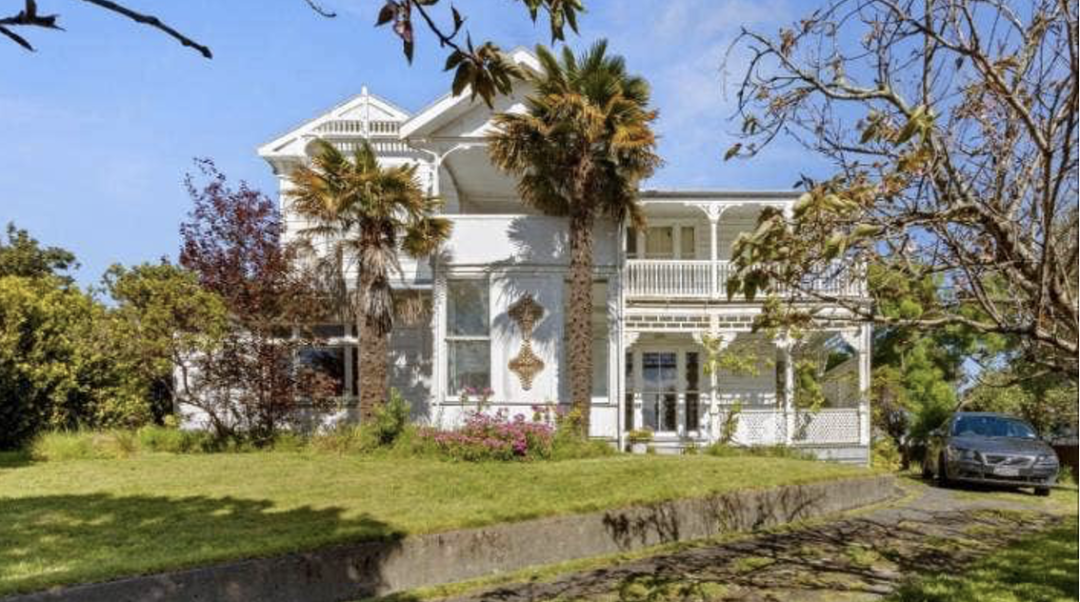
When your home-buying budget is limited, do you find yourself wrestling with this question: should you buy a run-down house needing renovation in an area widely regarded as ‘good’, or a ‘good’ house in a relatively ‘less desirable’ area? A recent news story particularly caught our attention: the ‘worst house on the best street’ in Napier sold for well above its rating valuation.
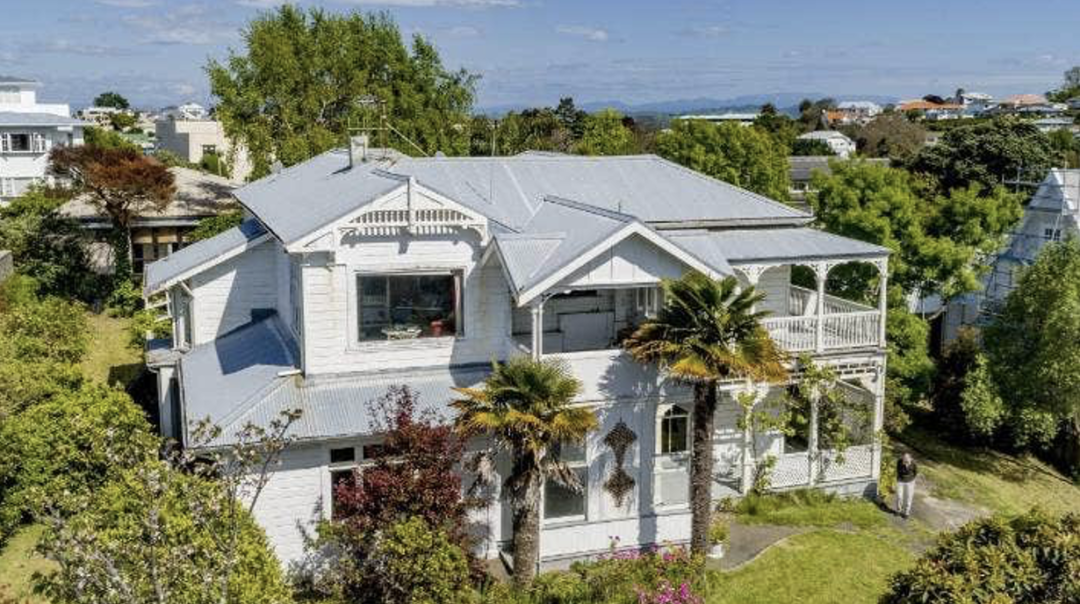
Built in the 1890s, the property on Hukarere Rd in Napier’s Bluff Hill recently sold for NZ$1,302,000, well above its rating valuation of NZ$1,010,000 from September 2020.
According to the listing agent, the property perfectly illustrates the ‘worst house on the best street’. The once-grand two-storey villa attracted 80 viewing groups and bids from 4 buyers, eventually selling for NZ$1,302,000, nearly NZ$300,000 above its rating valuation. Originally built in the 1890s for a wealthy local businessman, the home had been neglected for years. Rachel and Nathan Masters have now bought the property, which occupies 1389 square metres of land. They plan to move in with their son Jack, aged 10, and begin a complete renovation of the 390-square-metre residence, hoping to restore its former appearance.
{ad}
The owners plan to renovate an area downstairs first so they have somewhere to live. They will also repair other parts of the house, but have made it clear they will not rush to finish everything in the short term. Instead, they will tackle each issue as their resources allow, starting by trimming trees that partially block the views.
Tremains real estate agent Gabby Morris said the property’s prime location had attracted considerable buyer interest. Another attraction was its illustrious history and its former residents, who included several prominent locals. It was once home to Frederic Wanklyn Williams, founder of stock and station agency Williams & Kettle. Next door was the home of Williams’ grandfather, William Williams, the first Bishop of Waiapu. Like many large old villas, it was converted into four separate flats in the 50s of the 20th century. Then, about 20 years ago, it became home to well-known local Russell Pickering and his late partner Jane, a former Folies Begère dancer.
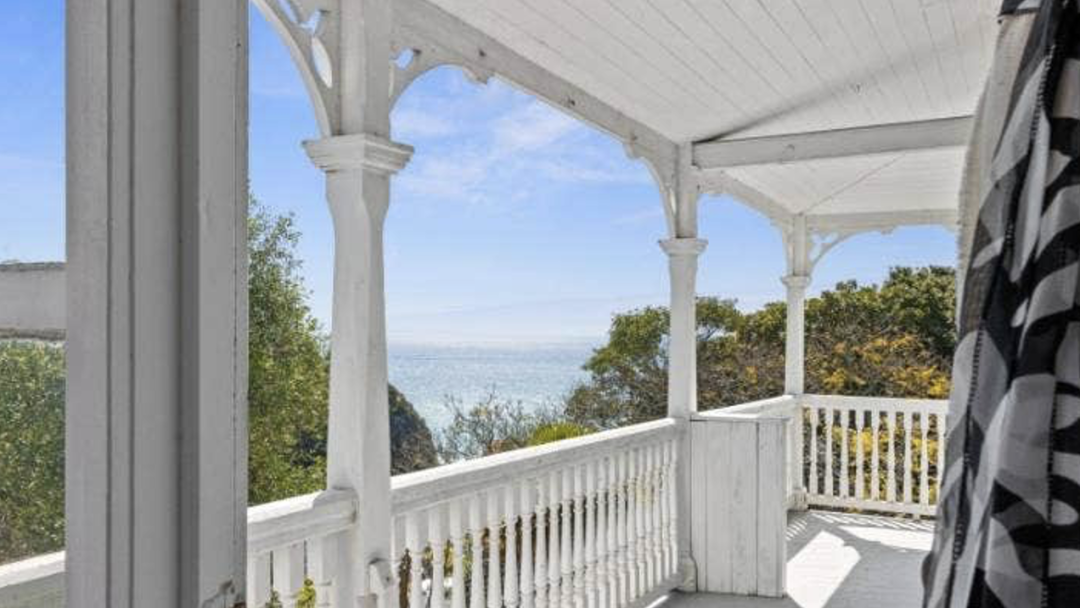
Sea views from the top floor
That raises a question: if you own the ‘best’ property on the ‘worst’ street—for example, a house worth NZ$3,000,000 in an area where the average property price is no more than NZ$900,000—does the opposite happen in the market? If the owners want to sell and move on, will the sale price consistently fall short of their expectations, leaving them no choice but to sell cheaply?
Craig Lowe, an agent with Wellington real estate company Lowe & Co, said that in the current market, renovated homes in good condition were much easier to sell than properties with ‘potential to add value’. This was the opposite of the situation before the market turned.
He stressed that once buyers factor in building materials, labour and their own transaction costs, renovating a do-up and reselling it may not actually make money. In the current market, even a small profit is hard to achieve, and buyers are more likely to find themselves financially stuck. People often see substantial potential to add value to these properties, but the reality frequently falls short of their expectations. Rapidly rising material and labour costs have made matters worse, greatly reducing the appeal of do-ups. The market is changing accordingly, with high-quality properties attracting more buyer attention—the reverse of the situation two years ago.
Real estate agent Craig Lowe believes ‘high-quality’ homes are much easier to sell than homes ‘needing repairs’ in the current market
‘If you’re renovating with yesterday’s money, when borrowing costs were low, that’s good news. But if you have to renovate with today’s money, when borrowing costs are high, that’s bad news,’ said real estate agent Craig Lowe. This means owning the ‘best house on the worst street’ is not necessarily a bad thing. Although we have always emphasised ‘location, location, location’, urban growth and a marked increase in demand are helping previously overlooked areas develop into more established communities. Hobsonville Point and Westgate spring to mind. Lowe believes that when the ‘best house on the worst street’ fails to sell, an excessive asking price is usually the reason.
Nick Cowdy, an agent with Christchurch real estate company Nick Cowdy, said ‘building the best house on the worst street’ was a major driver of rapidly rising house prices in the current market. In many formerly modestly priced areas, investment in renovating homes had lifted prices across the neighbourhood.
‘Today, buying a renovated home costs less than doing the renovation yourself.’
Cowdy said most buyers had limited budgets and ultimately compromised on either location or the condition of the house. In this age of instant gratification, people seemed less enthusiastic about renovating. They wanted to move in as soon as possible after buying and were willing to pay for that convenience.
He had noticed that many areas buyers once overlooked were becoming increasingly popular, with clear gains in property values. Properties in prime locations would undeniably rise further and faster, but their prices were moving out of reach, prompting people to change their buying habits.
First-home buyers are another factor making good homes in ‘less desirable’ areas more attractive
First-home buyers are another major factor behind the appeal of good homes in ‘less desirable’ areas. Their purchasing power makes lower-priced areas more attractive. Research on first-home buyers published last year by property research firm CoreLogic showed that in areas such as Aranui in Christchurch and Birkdale in Auckland, first-home buyers tended to pay above the local average. CoreLogic said this might be because they were buying higher-end or larger properties in these areas.
Client enquiries Pauline Gao pauline@yiju.co.nz