
Buying a home as soon as PR is granted: are 160,000 potential buyers ready to act? Migrant homebuying surges in New Zealand!
Many property industry figures predict this wave of new migrants will become potential buyers and a powerful force in New Zealand’s housing market
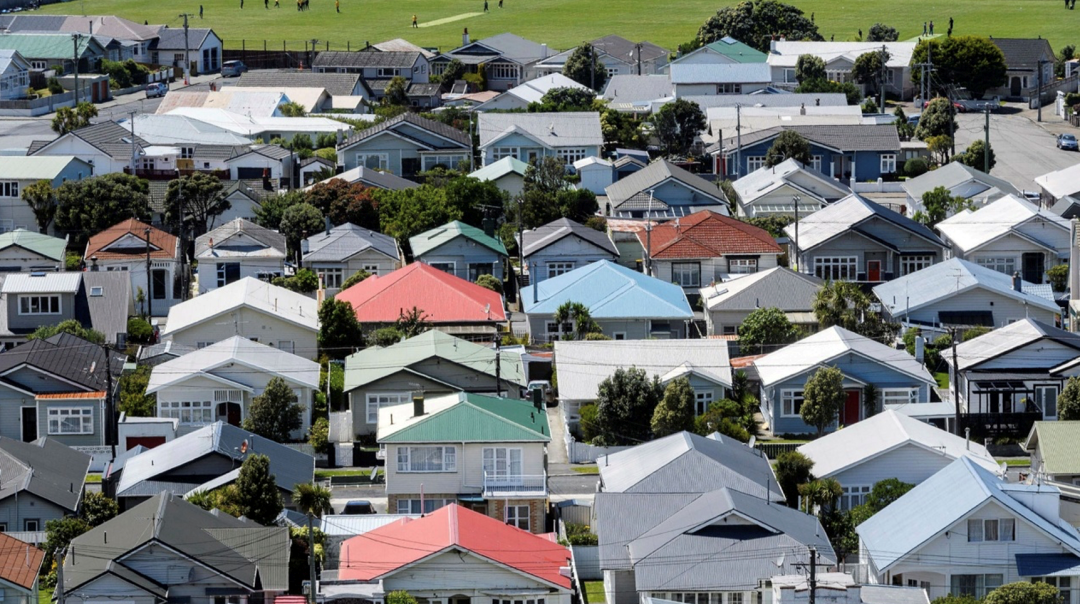
At the end of 2021, the New Zealand Government unexpectedly announced the one-off 2021 Resident Visa, which was expected to give 165,000 people New Zealand residence. Many property industry figures predicted at the time that this wave of new migrants would become potential buyers and a powerful force in New Zealand’s housing market.
More than a year has now passed since the policy was announced, and many people have received resident visas. Have they actually begun their homebuying journey? With the Government further easing immigration settings, will we see greater enthusiasm for buying homes? Stats NZ data offers an answer.
Migrant homebuying surges in New Zealand
New data from Stats NZ shows 11.2% of home transfers in 2022 were to resident visa holders. This is a striking figure. Resident visa holders’ share of transfers has risen steadily in recent years from 8.1% in 2018, but last year brought a sharp jump from 9.6% in 2021 to 11.2%.
Home transfers include more than purchases and sales: they also cover ownership transfers resulting from deaths, marriage agreements or other administrative changes. The resident visa holder category includes transfers where at least one buyer holds a resident visa, but excludes those where any buyer is a New Zealand citizen.
{ad}
One mortgage adviser said the sharp increase in migrant homebuyers was only the beginning of a wave.
Stats NZ property statistics manager Michael Heslop said the increase reflected the higher proportion of home transfers involving migrant buyers in Auckland. Resident visa holders accounted for 18.3% of Auckland transfers last year, up from 16.1% in 2021 and 14.3% in 2019.
Canterbury and Wellington had the next-highest shares of transfers to resident visa holders after Auckland, at 10.5% and 9% respectively. In 2021, those figures were 8% and 8.3%. In 2019, their shares were just 6.6% and 7.7%.
These figures show migrants, particularly resident visa holders, are increasingly buying property in New Zealand.
Are migrants buying almost exclusively to live in?
Mortgages Online director Hamish Patel said the number of migrants buying homes had increased since the Government offered fast-track residence to 165,000 migrants in 2021. The Government subsequently reformed the immigration system to make it easier for certain skilled migrants to obtain residence.
Patel said an influx of new homebuyers was readily apparent when residence status changed, and he had adapted his business to cater for the trend.
He said he had been extremely busy since the start of this year, with 50% of his work coming from people who had just gained residence and wanted to buy their first home.
“Many migrants obtained residence and went back to their home countries to visit family and friends after the borders opened. They have now returned to New Zealand and are focusing on buying property.”

Patel said the migrant buyers he had recently worked with came from around the world, including Brazil, Chile, India and the UK, and many had a 20% deposit ready.
“This is only the beginning of the wave. We are working with many people who are thinking about buying but are not quite ready yet. There is more to come, and immigration is starting to increase again.”
Kashif Ansari, co-founder of Asian property platform Juwai IQI, said Stats NZ’s figures showed foreigners with permanent residence were a dynamic part of the market.
He said their investment made it possible to build new homes, support jobs and stimulate the economy. “To be clear, these buyers are purchasing for their own use in almost every case. We are talking about students, migrants and expatriates living in New Zealand.
He said these buyers were investing in New Zealand’s future and contributing to its wellbeing. “We rarely see purchases by offshore buyers purely for investment purposes. This means foreign buyers see New Zealand property as a place to live rather than a financial instrument.”

Meanwhile, the share of “foreign buyers” who have neither New Zealand residence nor citizenship has fallen further.
Since 2018, the Government has banned foreign buyers from purchasing most types of property in New Zealand, with people from Australia and Singapore exempt.
Stats NZ figures show people without citizenship or residence accounted for just 0.4% of home transfers in the December quarter. Before the ban, that figure was 3.3% in the quarter ending in month 3 of 2018.
As Chinese people in New Zealand, almost all of us go through the process of gaining residence, buying a home and settling down. More new migrants are now entering the market, potentially bringing renewed vitality to the housing sector. What do you think?