
Just in! Reserve Bank announces 50 basis point OCR rise! But might mortgage rates avoid a sharp increase? Experienced advisers explain
On 22 February 2023, the Governor of the Reserve Bank of New Zealand released this year's first Monetary Policy Statement, announcing a 50 basis point increase in the Official Cash Rate (OCR) to 4.75%

On 22 February 2023, the Governor of the Reserve Bank of New Zealand released this year's first Monetary Policy Statement, announcing a 50 basis point increase in the Official Cash Rate (OCR) to 4.75%, the ninth consecutive increase since mid-2021. The figure matched many experts' earlier forecasts, with further increases still possible.

Reserve Bank Governor Adrian Orr. Image credit: Mark Mitchell, Herald montage
Following this OCR increase, will the major banks raise their mortgage rates again? How should we respond? YIJU New Zealand interviewed Huarong Finance general manager and experienced mortgage adviser York Zhang, along with mortgage adviser Frank Fu. Here are their views.
Where will this rate rise cycle peak?
{ad}
Huarong Finance general manager and experienced mortgage adviser York Zhang believes the OCR could peak at around 5–5.5%. He also discussed banks' floating and fixed rates:
ANZ chief economist Sharon Zollner said that, although there was some debate, analysts and market pricing agreed that the Reserve Bank's 50 basis point increase to 4.75% would be followed by two further increases of 25 basis points each. However, Zollner said considerable uncertainty remained over where this rate rise cycle would peak.
The Reserve Bank has cut rates following exceptional shocks on three occasions: the 9/11 terrorist attacks, the Christchurch earthquake in February 2011, and the early stages of the coronavirus pandemic. This cyclone may also influence its future decisions.
Will banks raise mortgage rates?
After previous rate increases, we have seen major banks follow the Reserve Bank's lead and raise mortgage rates. This time, however, Huarong Finance mortgage adviser Frank Fu has a different view. He believes floating rates may rise, but banks may leave short-term fixed rates unchanged:
In fact, banks appear to be quietly waging a discounting war.
Independent economist Tony Alexander reportedly said a secret mortgage rate discounting war had broken out between banks as they struggled to meet home loan sales targets. “Banks are secretly offering substantial discounts on one-year and two-year fixed rates.”
Alexander said one bank was offering a one-year rate of 4.99% to customers coming through brokers, while advertising a much higher rate to existing customers.
BNZ confirmed it could offer new customers referred by brokers a limited-time one-year fixed home loan rate of 4.99%.
What should borrowers do now?
With mortgage rates remaining high, how should borrowers respond? Which lending policies offer more favourable terms? Huarong Finance mortgage adviser Frank Fu discussed some suitable options:
Is now a good time to raise rates?
In his first address to Parliament as Prime Minister on Tuesday, Chris Hipkins said difficult times lay ahead for all of New Zealand, with the country facing billions in economic losses.
After the cyclone struck much of the North Island, severely damaging homes, land, businesses and infrastructure, a rise in interest rates now will cause greater hardship for some people, particularly those with substantial mortgages or who have only recently entered the property market.
ANZ economist Finn Robinson said the Reserve Bank faced difficult choices given the current high inflation. “Continuing to raise rates sharply to tackle high inflation will further affect people who are already in real difficulty.”
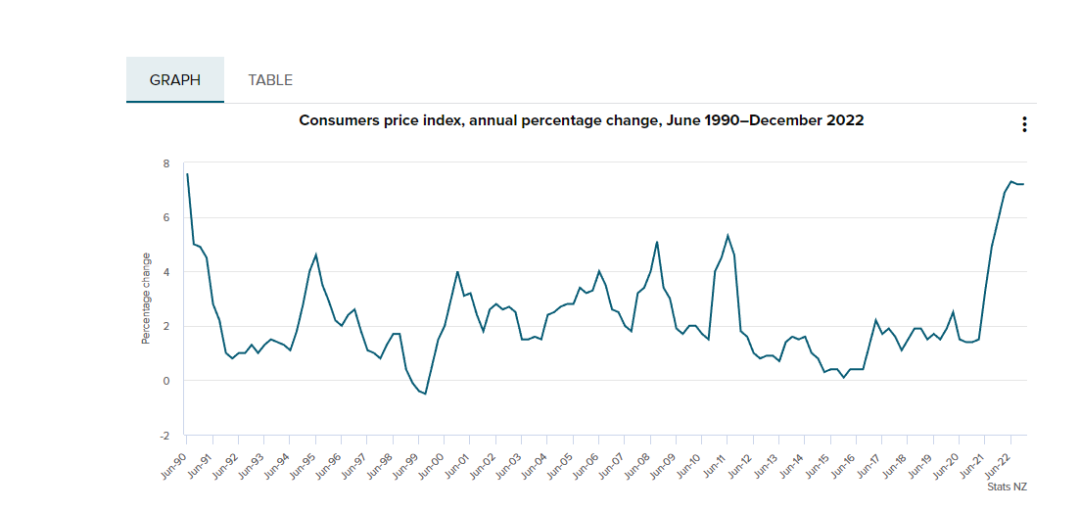
In January this year, Stats NZ announced that inflation had risen by 7.2% in December 2022, below the Reserve Bank of New Zealand's forecast of 7.5%.
However, post-cyclone rebuilding will intensify inflationary pressure. Consumers will have greater demand for goods and services, potentially outstripping supply and pushing prices up further. For the construction industry, this will undoubtedly compound existing difficulties.
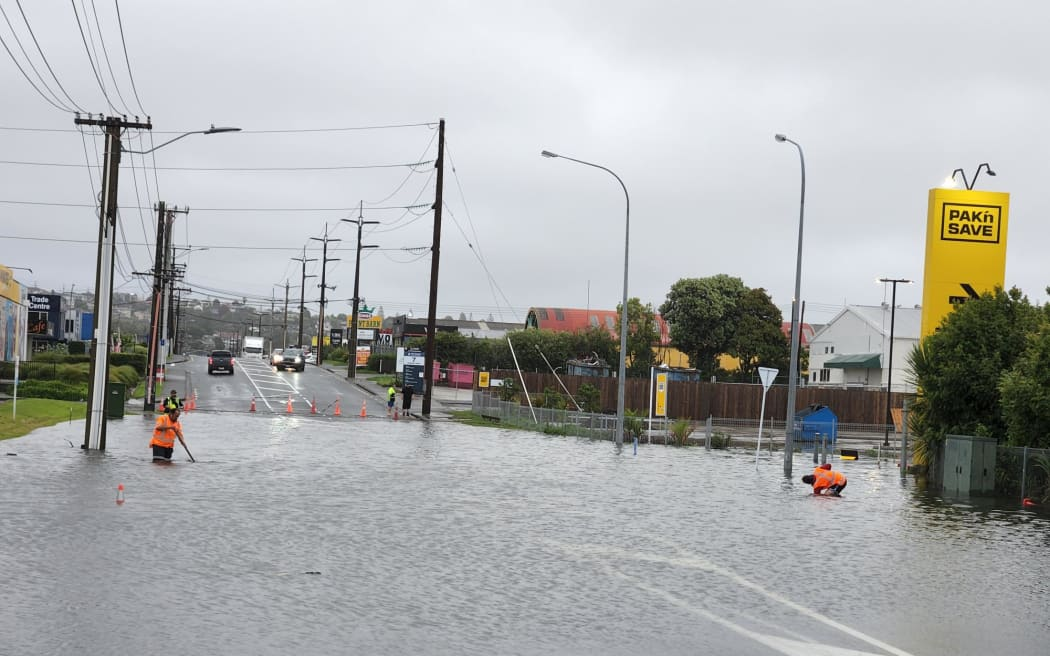
The cyclone dealt a severe blow to New Zealand's North Island. Image credit: Mohammad Alafeshat
Infometrics chief economist Brad Olsen said the cyclone would disrupt this year's economic forecasts. Economic activity in New Zealand had been relatively robust before the cyclone, he said. Activity was expected to decline in the short term after the storm, but the enormous volume of rebuilding and recovery work over the longer term would create capacity constraints. Economic activity would increase during the rebuild, making the expected recession milder.
ASB senior economist Mark Smith said it was a difficult situation for everyone involved, but failing to tackle inflation now would create bigger problems later. “If the Official Cash Rate is not raised, inflation will accelerate and costs will be higher.”