
The figures reveal where New Zealand homeowners face the greatest mortgage repayment pressure
As mortgage interest rates continue to climb, countless homeowners with mortgages are feeling unprecedented pressure
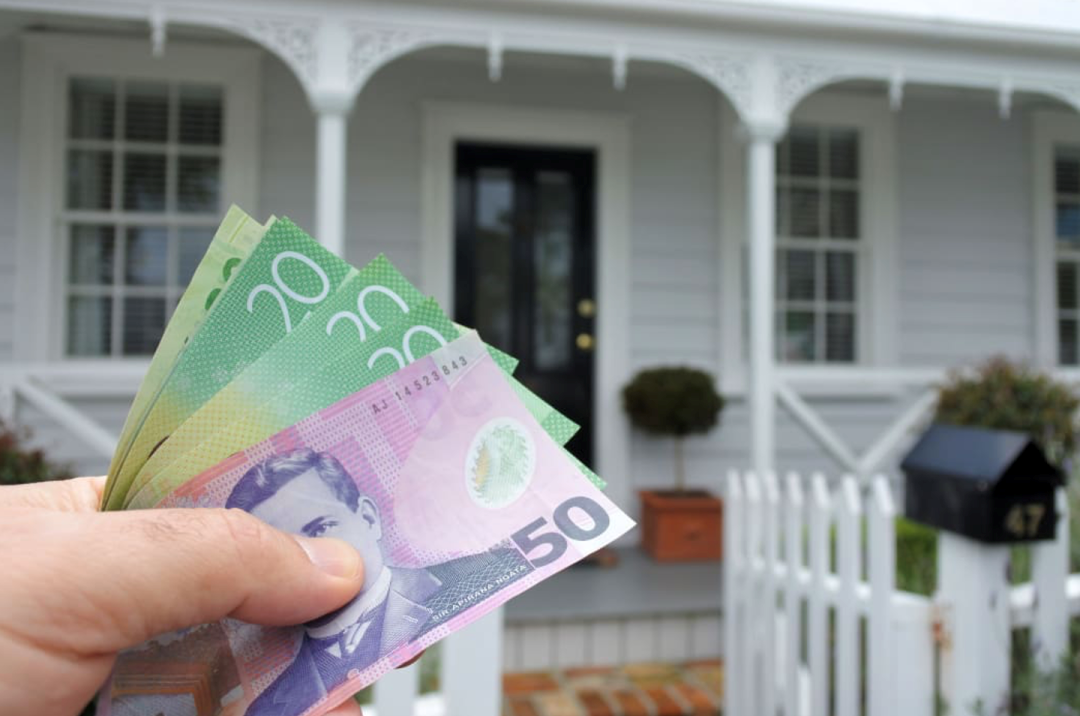
As mortgage interest rates continue to climb, countless homeowners with mortgages are feeling unprecedented pressure. Research shows that monthly repayments for homeowners in many parts of New Zealand have increased by more than 50%.
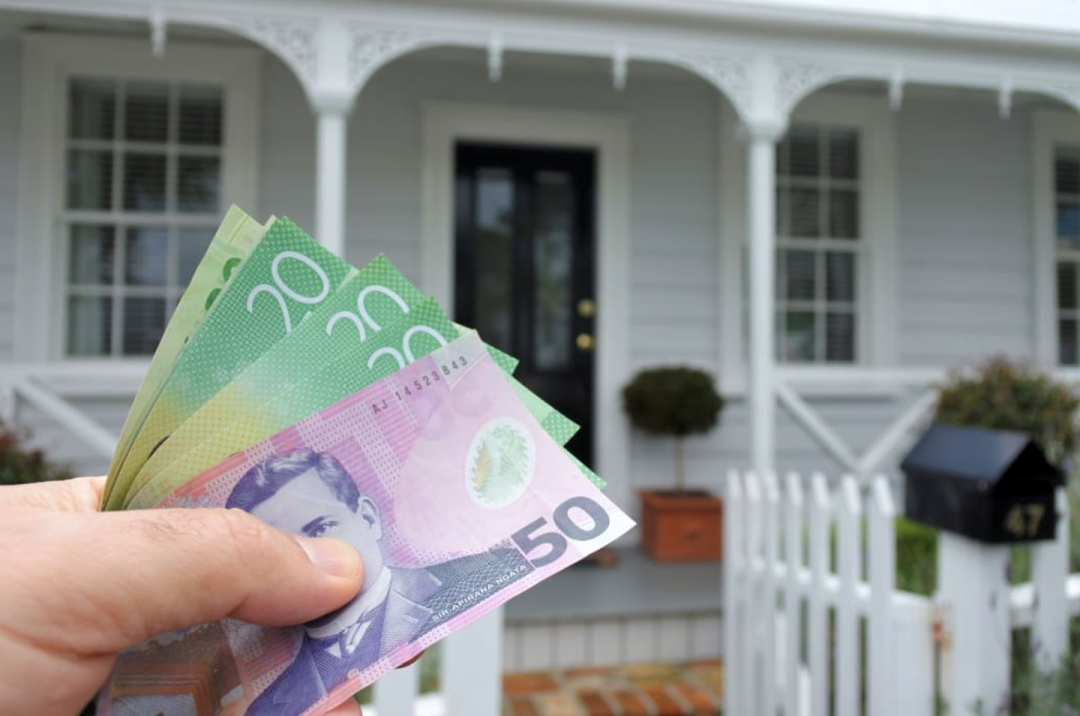
According to the latest research data released by credit bureau Centrix, mortgage repayments across New Zealand increased by 24% in 2022.
Specifically, Auckland homeowners’ repayments rose by an average of 41% last year, while mortgage holders in Hamilton saw an increase of 33%. In Wellington and Christchurch, borrowers’ repayments rose by 15% and 8% respectively.
Waitomo was the district hardest hit by rising interest rates nationwide, with borrowers’ repayments increasing by 50%. Other areas where borrowers were badly affected included western Bay of Plenty 43%, Ruapehu 39%, Matamata-Piako, Kaikoura 37%, Kawerau 33%, Tasman 34%, and Rotorua 32%.
Despite the pressure many homeowners are feeling as mortgage rates have tripled compared with just over a year ago, the number unable to meet their mortgage repayments remains relatively low. In Auckland, for example, Centrix data shows that the proportion of borrowers in arrears jumped from 1.49% to 2.11%. This means at least two in every hundred homeowners have fallen behind on their mortgage repayments. The situation is more serious in the Far North, where the figure exceeded 3%, reaching 3.05% in December last year. This means at least 3 in every 100 homeowners have been falling behind on mortgage interest payments.
James Wilson, head of valuations at OneRoof’s data partner Valocity, said he did not believe mortgage arrears directly translated into a risk of mortgagee sale. Most New Zealand borrowers are deeply reluctant to fall behind on their mortgages and can usually cut spending elsewhere to meet repayments.
Wilson said that after the global financial crisis, mortgage arrears in many countries were much higher than in New Zealand. Mortgage repayment rules differ in the United States and some other places, where many homeowners choose to hand the keys back to the bank and simply walk away. In New Zealand, banks will still pursue homeowners for any shortfall after the mortgaged property is sold at auction. Another possibility is that some arrears may require only a few payments to be deferred to accommodate an unexpected, short-term inability to pay.

Valocity Head of valuations James Wilson
Photo credit: OneRoof
Under the Credit Contracts and Consumer Finance Act (CCCFA), banks must assist borrowers struggling with repayments, provided they have not been in default for more than two months or missed more than four consecutive payments. Banks can arrange to defer or reduce repayments, restructure loans or consolidate lending. In some cases, they can also switch repayments to interest-only and waive certain associated fees to ease the burden on borrowers. Wilson believed New Zealand banks took a very cautious approach, monitoring early and then communicating and working with borrowers who might be approaching arrears or default to find a solution. If borrowers still cannot pay, banks may encourage them to sell the property themselves to avoid a mortgagee sale. He said homeowners could sometimes achieve a better result by selling on the open market when conditions were favourable.
If a property’s value falls below the outstanding mortgage balance—commonly known as ‘negative equity’—the bank may not allow the homeowner to sell. Those most likely to be in negative equity are homeowners who bought with a small deposit around 2021. Many of them are already in negative equity.
Another threat is that, even if current mortgage rates have already peaked, many homeowners have yet to move from their earlier low fixed rates to higher ones. This means they could face a more serious financial crisis when they next renew their rates.
{ad}
CoreLogic chief economist Kelvin Davidson says unemployment figures will have a greater impact on mortgage repayment pressure
CoreLogic chief economist Kelvin Davidson said 50% of mortgages currently had fixed interest rates, while another 10% were on floating rates. This meant 60% of mortgage borrowers faced substantial pressure from rising interest rates. Put simply, homeowners refixing their loans over the next 12 months would face a major shift from low to high rates. Rising arrears were not necessarily the sole deciding factor behind an increase in mortgagee sales, as rising unemployment and fewer job opportunities could also be major causes of borrowers being unable to meet repayments.
Davidson said areas with high house prices also tended to have the largest mortgages, but incomes in those areas were higher too. Repayment pressure could therefore come from areas experiencing the greatest changes in unemployment. He said homeowners who lost their jobs and faced financial difficulty could be hit harder than those who remained employed and managed to meet their mortgage repayments. This could happen in Canterbury and Auckland.