
Could house prices stabilise? Standalone housing consents see their biggest fall in more than a decade! Key factors to help you understand the market
Every market follows patterns, and beyond the house price figures, other factors are quietly at work
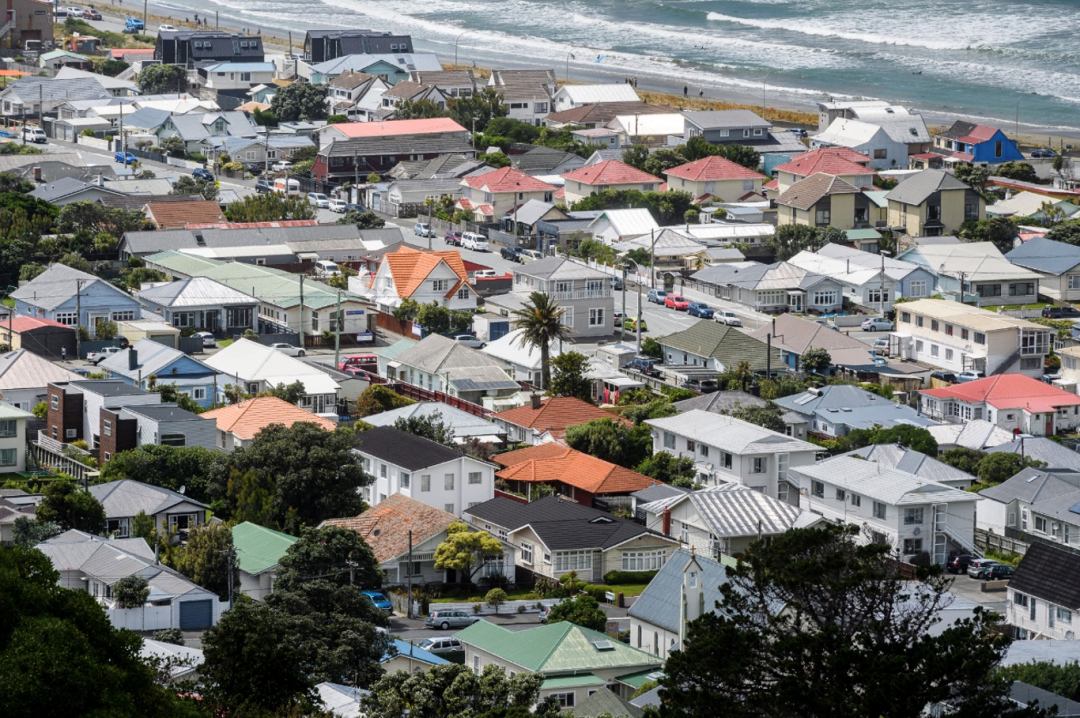
Sharp interest rate rises have reduced buyers' borrowing capacity across most of the country. Recent OneRoof property value data shows national house prices have fallen 11%. But every market follows patterns, and beyond the price figures, other factors are quietly at work.
Standalone housing consents record their biggest fall in more than a decade
According to Stuff, the latest data shows that New Zealand's rate of consenting for standalone houses fell in January by the most in 12 years, potentially helping to stabilise falling house prices.
In the year to January, consents were issued for 21,032 standalone houses, with 49,480 new homes approved in total. Auckland's figures rose, but those elsewhere in the North Island fell markedly.
Across all housing types, 2777 consents were issued in January, down 1.5% from December 2022 after seasonal adjustment. Standalone houses accounted for 57% of all consents in January, with 1,067 approved, down 26% from January 2022. Consents for multi-unit dwellings rose 22% to 1,710.
Infometrics said this was a sign that residential construction was less popular than before, as the property market cooled and rising interest rates lowered construction costs.
“With house prices now more than 16% below their November 2021 peak, and residential construction cost inflation still running at 13% annually, building new homes is becoming significantly less attractive. Year-end growth in townhouse consents slowed to 26%, the lowest annual growth rate since November 2019 during the COVID pandemic.”
Chief forecaster Gareth Kiernan said consent numbers had been at historic highs over the past few years, partly reflecting the need to make up for underbuilding throughout much of the past decade.
After the global financial crisis, we saw a sharp fall in economic activity as falling house prices, slower population growth and weak economic conditions reduced demand, alongside a lack of funding. The resulting housing shortage drove prices up.
Kiernan said the impact of falling housing consents on house prices might be less pronounced.
“At this stage, a reduction in new housing supply could be one factor slowing house price falls and helping property values stabilise, alongside signs that interest rates have peaked and begun to ease. However, I would not yet be concerned that a reduction in new construction will cause house prices to rise sharply.”

“Our forecast before the cyclone was for total annual consents to fall to around 30,500 by the end of 2024. Based on our migration assumptions, that rate is only slightly below underlying demand. A sharp fall in consents would be concerning, because we would then start returning to serious underbuilding, potentially pushing house prices up again and further worsening housing affordability.
“Of course, anyone looking at current housing affordability measures might argue that prices need to adjust further to improve affordability. That is reasonable, given prices remain 23% above January 2020, when we already considered housing unaffordable. In that context, a continuing flow of new supply onto the market could help maintain downward pressure on house prices, so any slowdown in residential construction would be unhelpful.”
But he said maintaining activity might require a substantial increase in available land, because most construction cost increases in recent years were unlikely to reverse. “Developers will not commit to building a NZ$600,000 house on a NZ$400,000 section if market conditions mean they can sell it for only NZ$800,000.”
Nine factors that could change this year's housing market
Alongside declining housing consents, many other factors are working together to influence New Zealand's property market. Independent economist Tony Alexander has identified nine factors that could change the market this year.
01
Mortgage rates will continue to cause pain for many existing borrowers. Few will be looking for another property, given high interest rates and the fact they already own a home. For housing demand, current interest rates matter more than refinancing rates. On that front, fixed borrowing costs peaked six weeks ago, although mortgage rates may fall very slowly. However, people may already have ruled out the worst-case scenario of floating rates approaching 8%, meaning some buyers will start showing interest again.
02
Wage growth is strong, and labour demand is recovering from the shock decline following the record monetary policy tightening on 23 November. Businesses continue to report labour shortages, so we can reasonably expect people to feel more secure in their jobs than anticipated around three months ago. Confidence in continued income tends to support housing demand.
03
Net migration has shifted from an annual loss of 16,000 people six months ago to a gain of 16,000. At the current rate, we could see a net gain of nearly 40,000 by year-end. This means additional housing demand, on top of demand created by people displaced by the recent floods.
{ad}
04
Growth in new supply is about to slow sharply. Architects say design commissions have all but dried up as developers struggle to obtain new bank finance, buyer demand shifts from new builds to existing properties, and some off-the-plan buyers hope to avoid settling.
05
My monthly REINZ survey of real estate agents reflects the findings of my monthly mortgages.co.nz survey of mortgage advisers three weeks earlier. First-home buyers are returning to the market, but investors are not.
06
Banks are missing their mortgage sales targets and have recently offered steep, limited-time discounts on 1- to 2-year fixed rates. This mirrors the situation in Australia, where banks are lending below their funding costs.
07
Some new factors are boosting the economy and, ultimately, consumers' confidence and willingness to buy property. Tourist arrivals are rising sharply, international students are returning earlier than expected, a lower New Zealand dollar is helping exporters, and China's economy is picking up sooner than anticipated. Add spending on flood reconstruction and extra government spending in an election year, and the economic outlook is not as bad as many imagine. I still believe there is an even chance of a recession.