
A bolt from the blue: OCR surges to 5.25%! Has the Reserve Bank of New Zealand reached the limit of its rate rises?
The Reserve Bank of New Zealand today announced an increase of 50 basis points in the Official Cash Rate (OCR), taking it to 5.25%
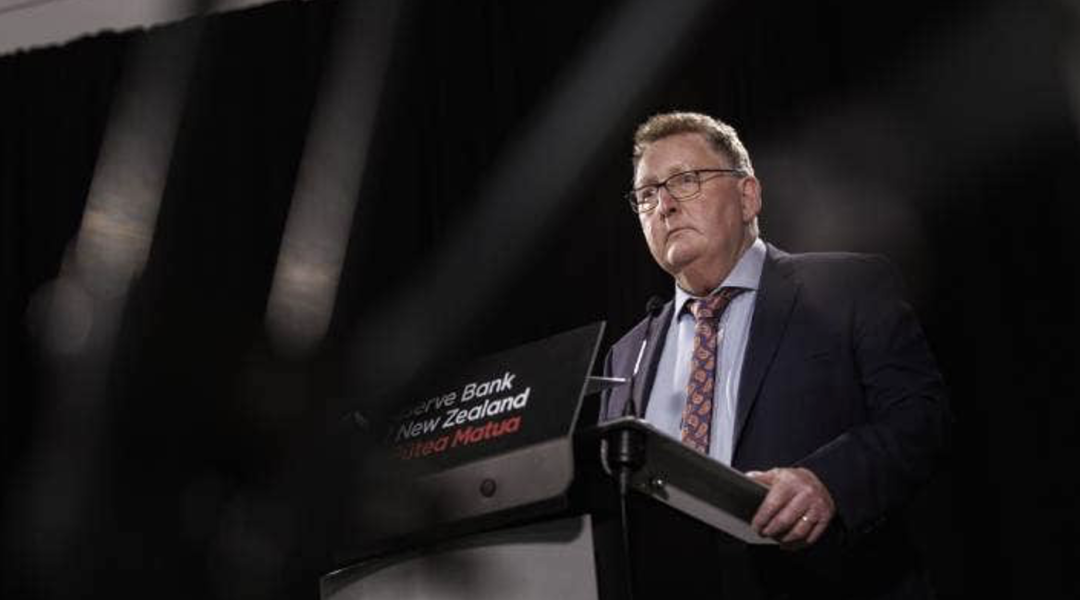
Amid widespread anticipation, the Reserve Bank of New Zealand today announced an increase of 50 basis points in the Official Cash Rate (OCR), taking it to 5.25%. The increase was twice what many economists had expected.
This is the central bank's 11th consecutive rate rise, taking the OCR to its highest level since December 2008. The bank said New Zealand's economic growth was slowing, recent severe weather in the North Island had pushed up prices for some goods and services, inflation remained persistently too high, and employment was above its maximum sustainable level. The government requires the bank to keep inflation between 1% and 3% over the medium term, and its decision to raise the OCR will help bring inflation down.
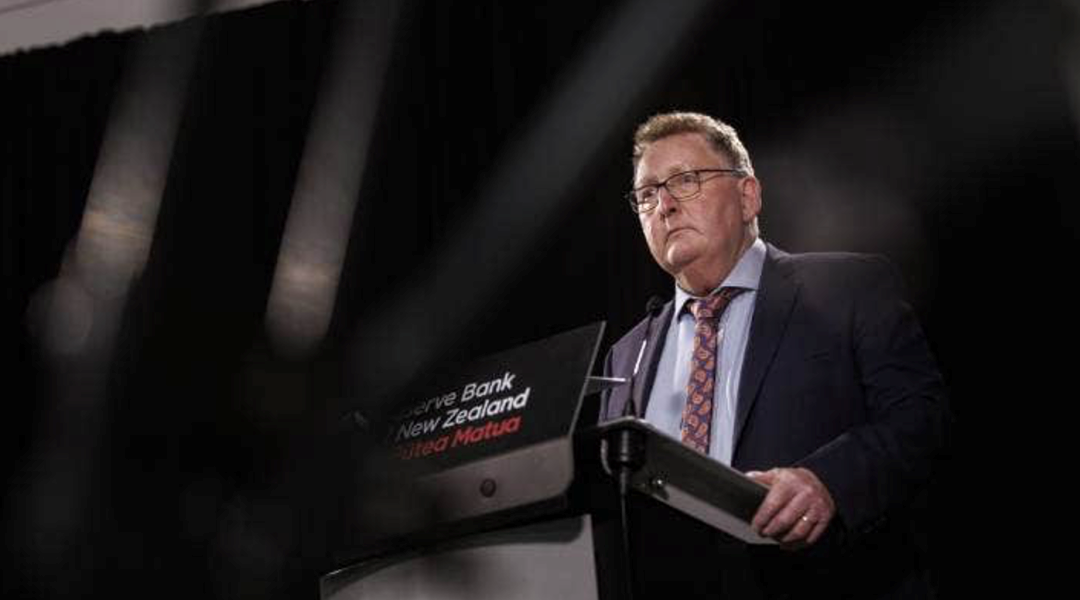
Reserve Bank of New Zealand Governor Adrian Orr raises the OCR to 5.5% despite opposition from many economists
Before the central bank announced its latest monetary policy decision today, economists had been almost unanimous in expecting the Reserve Bank of New Zealand to opt for a 25 basis point rise at today's Monetary Policy Review, taking the Official Cash Rate to a new high of 5%. Economists also agreed that this might be the last rate rise of the current economic cycle, although the Reserve Bank was reluctant to express that view.
Kiwibank chief economist Jarrod Kerr had earlier urged the central bank to exercise caution over further rate rises. He said rates above 5% would be too much for the New Zealand economy to bear. Kerr said the bank could not keep “blindly raising interest rates”. “If things go wrong, we'll end up in a deeper recession,” he said.
{ad}
Meanwhile, financial markets had already priced in further rate rises in May and July, meaning the likelihood of rate cuts starting in October was increasing.
Click the video below to hear Lu-Yen Ku, general manager and financial adviser at Blue Ocean Capital, explain this rate rise.
Market signs and signals
Generally, a key difficulty in designing and implementing monetary policy is the long lag before it takes effect. This means the financial conditions we experience today reflect policy set months earlier. The Reserve Bank of New Zealand has been using interest rate rises to demonstrate its determination to curb high inflation, while also recognising that inflation may not change significantly in the short term.
Last week's ANZ Business Outlook survey showed signs that tighter monetary policy was already affecting the real economy and had caused inflation indicators to ease slightly. In March, measures of economic activity in New Zealand recorded small increases or decreases, but most business and economic indicators remained below their historical averages.
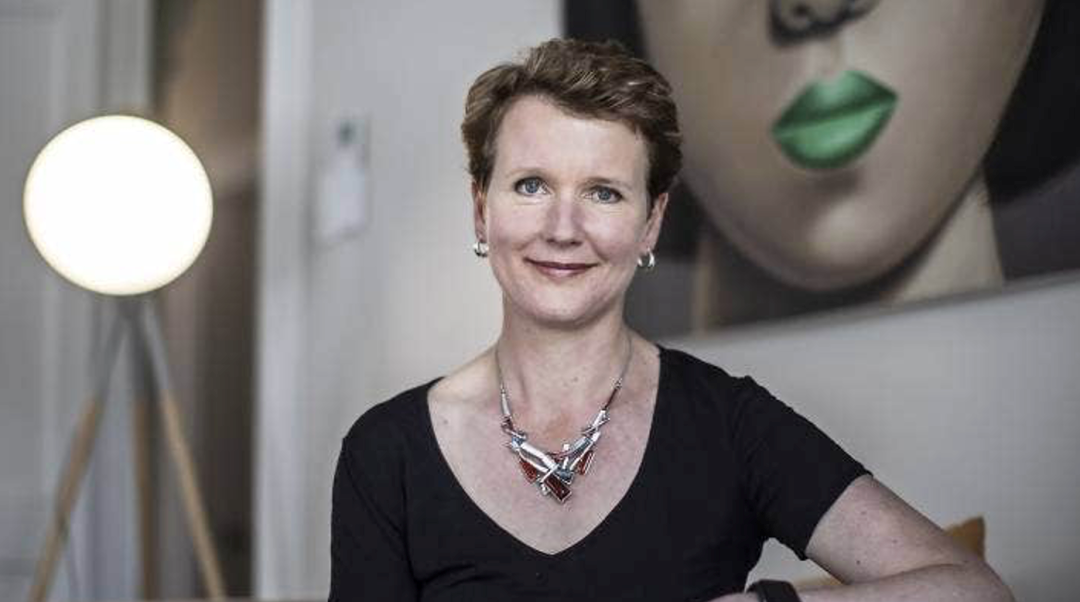
ANZ Chief economist Sharon Zollner
ANZ chief economist Sharon Zollner said inflation indicators were continuing to fall, although the process was “painful and slow”. In retail, 83% of businesses expected to raise their prices over the next 3 months, up from February but still below the peak of 96% recorded 9 months earlier. Pricing intentions across the economy were therefore unchanged, with businesses expecting to raise prices by 3.4%, compared with 5.5% in March 2022. This means businesses' expected costs over the next three months were trending downwards.
Zollner said these figures showed that businesses expected their profit margins to be squeezed, as costs were expected to rise faster than prices. The Reserve Bank of New Zealand noted that growth in business profits and wage costs was a major driver of high inflation in 2022. Relevant surveys showed that businesses' wage growth expectations for the next 12 months were substantially lower than over the past year, although 84% of respondents expected some increase in their wage income.
Kiwibank chief economist Jarrod Kerr also said the OCR had reached the end of its rising cycle. He had heard complaints from commercial and residential property developers enduring the painful transition from very low to very high interest rates. They were not saying they were unwilling to pay interest, but were concerned about the additional amounts they were being forced to pay, all thanks to the central bank's “efforts”. The recent wave of job losses, including large-scale redundancies at Sky TV and The Warehouse, was also a consequence of the bank's rate rises. In their words, the central bank was “engineering” a recession in New Zealand.
NZIER's latest Quarterly Survey of Business Opinion (QSBO) showed that pressure on business capacity was easing. In March, 61% of businesses expected economic conditions to deteriorate over the coming months, a slight improvement from the previous quarter's low. Falling sales caused by the weak business environment have overtaken difficulty finding suitable staff as the biggest constraint on business growth.
More rate rises before a recession?
ASB chief economist Nick Tuffley expected the Reserve Bank of New Zealand to raise rates twice more, but believed higher interest rates were already having the intended effect on the market. He said the economy could be losing momentum faster than expected, and tighter monetary policy would bring further negative effects. For example, the average mortgage rates being paid by more borrowers would soon climb rapidly from their lows to their peaks.
Westpac economists Kelly Eckhold and Michael Gordon also believed this rate rise would be the central bank's last in the current economic cycle. They expected the economy and labour market to slow during the year, but said the anticipated weakness “remained in the forecasts”, as actual economic data had remained fairly strong. Until the Reserve Bank of New Zealand receives clear signals confirming a marked economic downturn, it will continue to emphasise the possibility of further rate rises.
The central bank was also unhappy with the recently released ANZ-Roy Morgan consumer confidence survey, in which inflation expectations rose to 5.4%, a 9-month high. Zollner said the bank was unlikely to signal any pause in its inflation-fighting programme until it found more substantive evidence that New Zealand's economy had begun to contract.
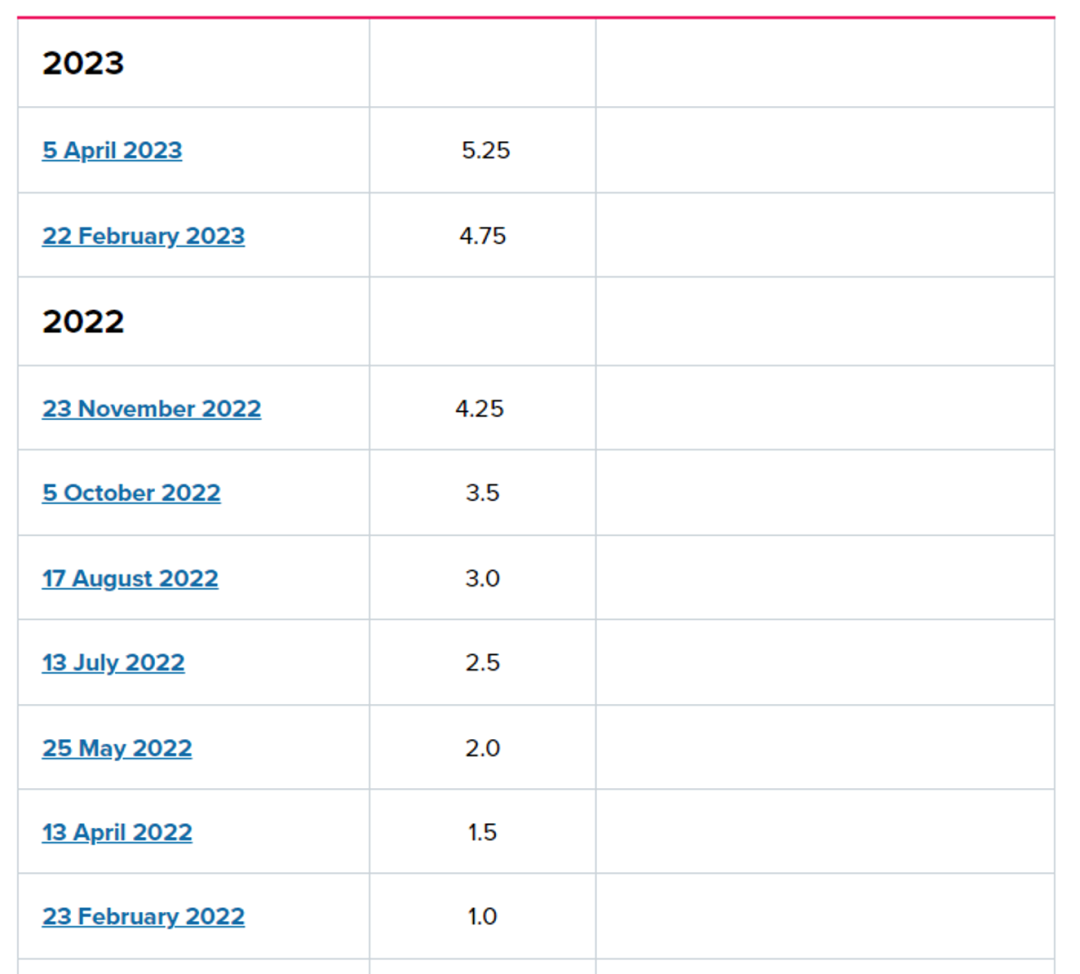
2022 onwards: OCR data
Will the Reserve Bank of New Zealand follow Australia's monetary policy lead?
The Reserve Bank of Australia (RBA) raised its cash rate to 3.6% in early March. This left many investors, unsettled by the turmoil surrounding Silicon Valley Bank in the United States and Credit Suisse in Europe, increasingly hoping that Australia's OCR had peaked. The latest data also showed that Australia's annual inflation rate had fallen from 7.4% in January to 6.8%, fuelling public hopes that the country's central bank would pause its rate rises.
Yesterday, Australia's central bank paused its rate rises. In its latest monetary policy review, it announced that the cash rate would remain unchanged at 3.60%, saying domestic inflation appeared to have peaked. However, Governor Philip Lowe also stressed: “Further monetary policy tightening may still be needed to ensure inflation returns to target.”
So will the Reserve Bank of New Zealand follow Australia's lead and pause rate rises at its next monetary policy review? Let's wait and see!