
Research shows New Zealand’s housing correction is far from over, but this group can benefit immediately
However, there are growing signs that house price declines are slowing, with prices falling 1.4% in March.
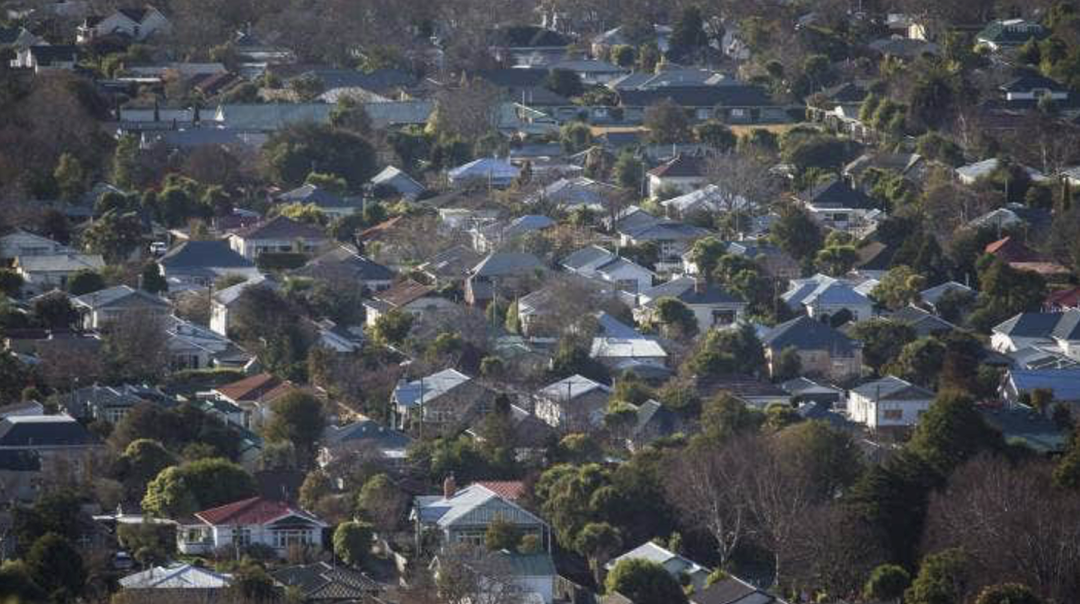
The latest data from a property valuation agency shows New Zealand’s average property price fell a further 0.6% in April to NZ$902,501. This brings the nationwide decline since the start of the year to 4.5%. However, there are growing signs that house price declines are slowing, with prices falling 1.4% in March. Simon Petersen, spokesperson for property valuation agency Quotable Value (QV), says the pace of decline is slowing in 10 of the 16 cities and districts it monitors, making this a widespread feature of much of New Zealand’s property market.
Auckland, Wellington, Hamilton and Tauranga are all showing signs, to varying degrees, of slowing house price declines. Although falls are easing in most parts of the country, prices in some areas, such as Christchurch, appear to be falling faster than before.
As house price falls slow, are buyers returning to the market?
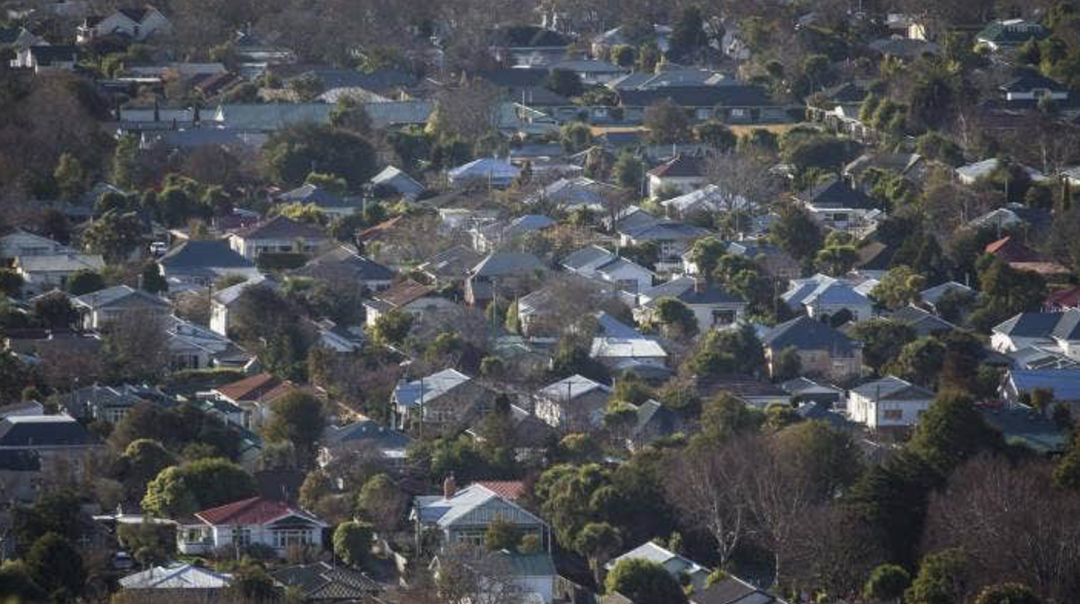
Christchurch
Christchurch’s average house price recorded its first double-digit annual decline in 14 years in April
Christchurch house prices fell 2.8% in April, a larger decline than the 0.5% recorded in March, bringing the city’s average house price down to NZ$721,460. The decline over the past three months also widened from 1.2% to 3.7%. In the year to April, the city recorded its first double-digit annual fall in 14 years, at 10%.
{ad}
Christchurch-based QV registered valuer Olivia Brownie says the city is slightly behind other parts of the country in the current property downturn. She explains that Christchurch prices held up better than those elsewhere for much of last year, but buyers appear reluctant to commit, leading to continued price falls. Nevertheless, she sees a positive sign in the market: the central bank’s interest rate has reached its peak. Together with other favourable external factors, such as increasing migrant arrivals, this suggests Greater Christchurch’s housing market could warm up after winter.
Auckland

In Auckland, house prices fell 4.4% over the three months to April, compared with a quarterly decline of 5.2% in March. This brought the city’s average house price down to NZ$1,260,000, an annual decline of 15.4%.
Auckland’s average house price fell 4.4% over the quarter to April
Wellington
House prices in Greater Wellington fell 3.7% this quarter, less than the previous quarter’s decline of 4.8%. This brought the region’s average house price down to NZ$838,158. Porirua recorded the region’s largest fall over the past three months, at 6.6%. In a striking contrast, Wellington City’s prices were down 3.4% year on year this quarter, yet rose 0.2% during April itself.
Simon Petersen says that although strict credit rules and high interest rates continue to stifle the property market, there are signs that the housing market may be approaching a state of balance. It is too early to conclude that the downturn has bottomed out, but the Reserve Bank of New Zealand’s proposal to ease loan-to-value ratio restrictions could bring some buyers back to the market. Rising net migration will certainly increase demand for property. In some cities and districts with larger housing stocks, the continued easing of price falls may also attract buyers who believe prices have reached the ‘bottom of the curve’. Meanwhile, the market will continue to recover steadily. There is still some distance to go before it returns to pre-pandemic levels, this correction cycle is not over, and the housing market may still face a difficult winter.
The weak housing market offers a rare opportunity for first home buyers
According to CoreLogic’s latest First Home Buyer Report, the number of properties bought by first home buyers in New Zealand in the first quarter of this year was the lowest since 2011. However, the report also notes that first home buyers’ market share remains strong. From month 1 through March this year, they accounted for 25% of purchases nationwide.
First home buyers’ market share exceeded the long-term average of 21.8% in all New Zealand’s main centres. Hamilton had the highest share, at 33%. In Wellington, Auckland and Christchurch, their share was close to or above 30%. Growth in first home buyers’ market share was also strong across the other 12 centres monitored by CoreLogic.
From month 1 through March this year, first home buyers accounted for 25% of purchases nationwide, with their share reaching 30% in many centres
CoreLogic chief property economist Kelvin Davidson says first home buyers have more advantages in the current weak market than they did previously. These include policies allowing them to use KiwiSaver for a deposit, access first home grants and benefit from higher loan caps.
He notes that first home buyers can use banks’ low-deposit lending allowances to obtain mortgages with deposits below 20%, giving them a wider choice of properties. As other buyers, particularly investors, retreat from the market, competition has eased considerably. Falling prices and the large number of properties currently listed for sale also give first home buyers greater confidence when negotiating.
CoreLogic Chief property economist Kelvin Davidson says first home buyers can now get a more valuable home for the same money
The report shows standalone houses accounted for 75% of first home buyer purchases in the latest quarter, up from 71% in the first quarter of last year. The share of first home buyers purchasing apartments fell from 21% last year to 18%. Purchase prices present a striking contrast: the median price paid by first home buyers in the first quarter fell from NZ$730,000 in 2022 to NZ$680,000. However, this median was well above NZ$555,000, the lower price threshold for the 25% of buyers across all buyer types purchasing the cheapest homes.
Davidson stresses that lower prices paid by first home buyers do not mean they are settling for smaller or cheaper properties. This shows that first home buyers do not necessarily enter the market at its cheapest end. The agency’s research data also supports this view. First home buyers in Auckland paid the highest median price, at NZ$885,000, down from NZ$1,000,000 a year earlier. Median purchase prices in Wellington, Tauranga and Hamilton ranged from NZ$730,000 to NZ$775,000. Christchurch and Dunedin were lower, at NZ$580,000 and NZ$531,000 respectively.
Davidson acknowledges that credit rules and affordability constraints still prevent many people from buying their first home, but the current market is very favourable for those with sufficient funds. He predicts that even if the housing downturn ends completely in the second half of this year, mortgage rates are unlikely to fall sharply and quickly, and the property market is unlikely to boom again immediately. This would mean an extended period of steady house price growth, during which the market would be a ‘paradise’ for countless first home buyers.