
Major news! Budget 2023 is here! New Zealand’s Government finally moves to tackle sky-high building material prices!
The Government has proposed measures including more public housing and more homes for Māori and people affected by recent severe weather events to address the housing shortage
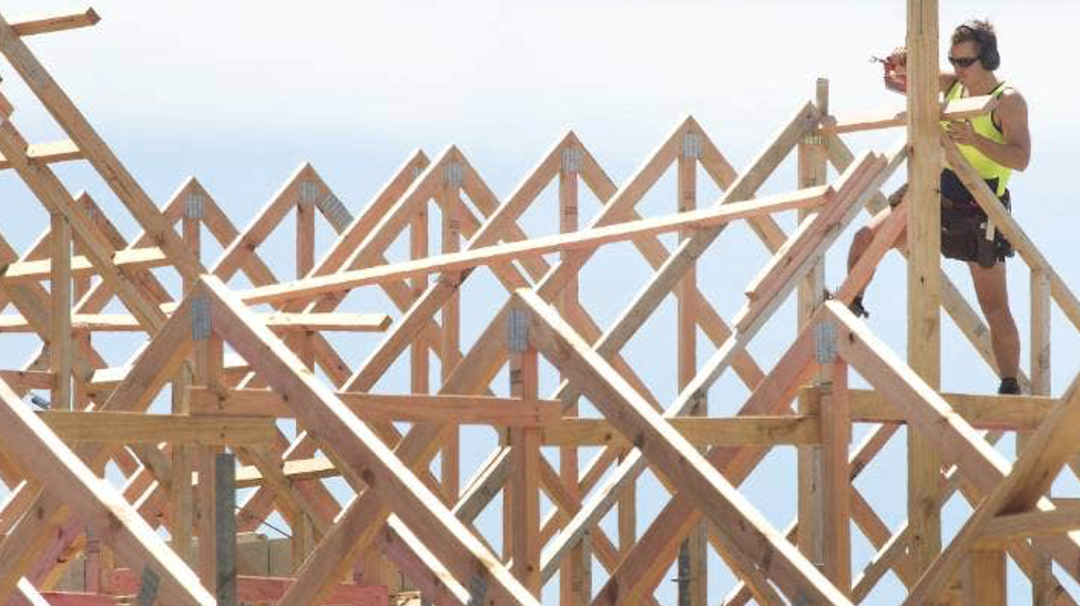
Addressing the housing shortage—
The Government has proposed measures including more public housing and more homes for Māori and people affected by recent severe weather events to address the housing shortage:
- An additional 3,000 public homes by June 2025, on top of the 14,050 already funded through to June 2024.
- Support for Māori housing—delivering 322 more homes for Māori through “by Māori, for Māori” projects, along with 400 relocatable cabins to help individuals and families displaced by extreme weather events in the North Island.
- Strengthening two Homelessness Action Plan initiatives, including an additional 80 shelter places for rangatahi.
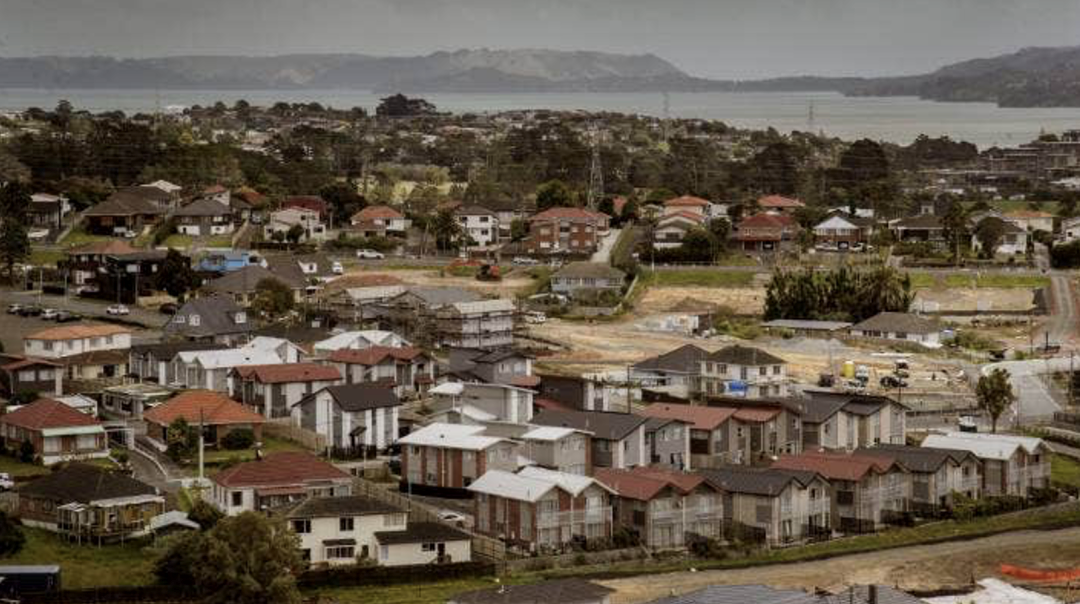
Improving infrastructure—
The Government will allocate NZ$6,000,000,000 to support a more resilient recovery from the recent Auckland floods and Cyclone Gabrielle, and protect New Zealanders from increasingly severe and unpredictable weather events:
- Ensuring rebuilt and new infrastructure is resilient to climate change, natural disasters and increasingly frequent extreme weather events.
- Strengthening infrastructure investment decisions and governance.
- Strengthening partnerships with Māori, local government and the private sector, and creating opportunities for them.
- Increasing the capacity of the Government and the infrastructure workforce to deliver and maintain infrastructure.
{ad}
Expanding the heating retrofit programme—
The Government has nearly doubled the Warmer Kiwi Homes programme. Over the next four years, it will deliver 26,500 insulation and heating retrofits annually, reaching tens of thousands of additional households.
These measures were all announced by New Zealand Housing Minister Megan Woods, who said housing remained a key issue facing New Zealanders and a government priority.
“Over the past five and a half years, the Government has laid the foundations for large-scale change in the housing system, unlocking land and investing heavily in infrastructure such as pipes and roads to enable more new homes to be built. Budget 2023 will maintain momentum towards turning around the housing crisis and delivering more homes.”
Alongside the Budget, the Housing Minister has recently dropped another bombshell for the property and construction industry—Tackling sky-high prices in the building materials market!
Improving competition in New Zealand’s building materials market
We all remember how the pandemic-driven homebuying and building booms caused unprecedented shortages in New Zealand’s building materials market. Soaring prices highlighted the sector’s clear lack of competition. As early as 2021, the Labour Government asked the Commerce Commission to conduct an in-depth investigation into this issue, which was seriously affecting the industry’s development. In December last year, following a year-long market study, the Commission made 9 recommendations to improve competition in the building materials sector.
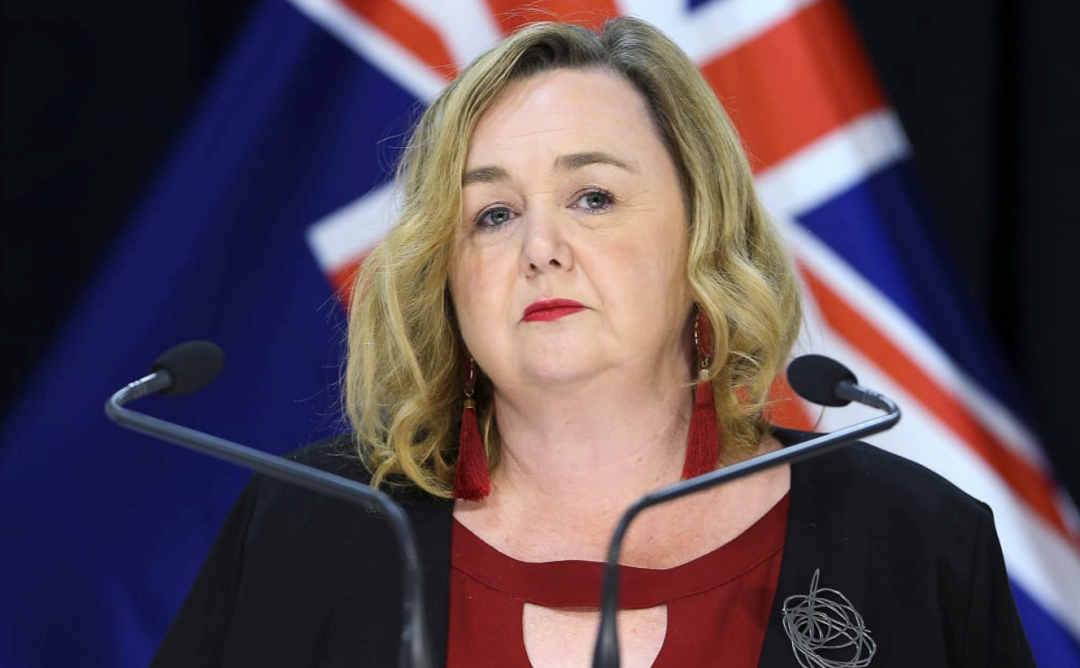
Yesterday, New Zealand’s Building and Construction Minister and Commerce Minister responded positively to proposals for improving competition in the building materials sector. (Image source: internet)
Recently, Building and Construction Minister Megan Woods and Commerce and Consumer Affairs Minister Duncan Webb jointly responded positively to the findings, announcing that the Government had agreed to implement 8 of the 9 recommendations. Woods said the Commerce Commission’s conclusion was:
New Zealand’s building supplies market is not displaying the level of competition it should, and this must change to remove barriers to trade. These barriers make it difficult to introduce new building products into the existing market and for competitive suppliers to expand their New Zealand businesses. Insufficient competition has driven up construction costs, meaning homeowners ultimately pay far more than they normally should. With living costs continuing to rise, higher building material prices are particularly damaging for many families aspiring to own a home.
Of the 8 recommendations adopted, the following 3 are particularly important for the future development of New Zealand’s construction industry:
1
The Government will create a market with more transparent pricing;
2
Provide more guidance on choosing alternative building products;
3
Use more products from overseas manufacturers, including prefabricated products, to change the competitive dynamics of New Zealand’s building materials industry.
To this end, the Government will begin monitoring and publicly releasing indicative prices for key building products, while providing builders and councils with more guidance and assistance when deciding whether to use equivalent alternative materials. The Labour Government has pledged to actively encourage government agencies to introduce building products manufactured outside New Zealand, increasing their market share by at least 10% annually to improve construction productivity and competition in the building materials market.
Woods also stressed that the Government would expand its existing review of the building consent system and broaden its scope to make alternative products easier to use when key building materials are in short supply, as plasterboard was last year.
For many years, difficulties faced by builders, architects and councils in replacing products specified in designs with other brands have weakened competition and kept prices high. Woods promised more government guidance for the industry on choosing alternative building materials. The Government will work towards effective market competition and an efficient building regulatory system, collaborating with the construction industry to create a better market environment. This will help deliver more safe, healthy, durable and affordable homes and building projects for New Zealanders.
Woods said the official plasterboard selection guidance released last year had already achieved some results. Now, competition needed to be introduced across more types of building products, beyond plasterboard. The Minister hopes the most fundamental step towards changing building material pricing will be to meet market demand by substantially increasing the use of overseas-manufactured or prefabricated building products. The Commerce Commission recommended an integrated strategy across government to coordinate and promote procurement of overseas building products. Kāinga Ora has now set a new target of increasing the share of overseas building materials it purchases by at least 20% annually during delivery of its public housing programme. This is double the 10% growth target the Government is encouraging other agencies and businesses to adopt.
Finally, Woods said Budget 2023 included plans to invest hundreds of millions of New Zealand dollars in housing for Defence Force personnel and new schools and classrooms around the country. Some of these buildings could well be prefabricated overseas.
Reviewing land covenants
Commerce Minister Duncan Webb said the past three market studies had identified a common issue: building material suppliers using land covenant clauses to prevent competitors from opening stores nearby. We know that healthy competition drives lower building product prices and better products and services, benefiting businesses and consumers alike. The Government has therefore decided to investigate the misuse of restrictive land agreements across the economy to prevent competing businesses from entering the market. He said covenants with these protective provisions had appeared across sectors including building materials, supermarkets, petrol stations and even meat processing. What is needed now is to examine how these agreements are being misused and what changes are required to give new businesses a level playing field.