
Feeling the OCR squeeze? Even four jobs cannot cover this Auckland couple’s mortgage
After the Reserve Bank of New Zealand announced a 25 basis point OCR increase last Wednesday, ASB led a fresh round of interest rate rises
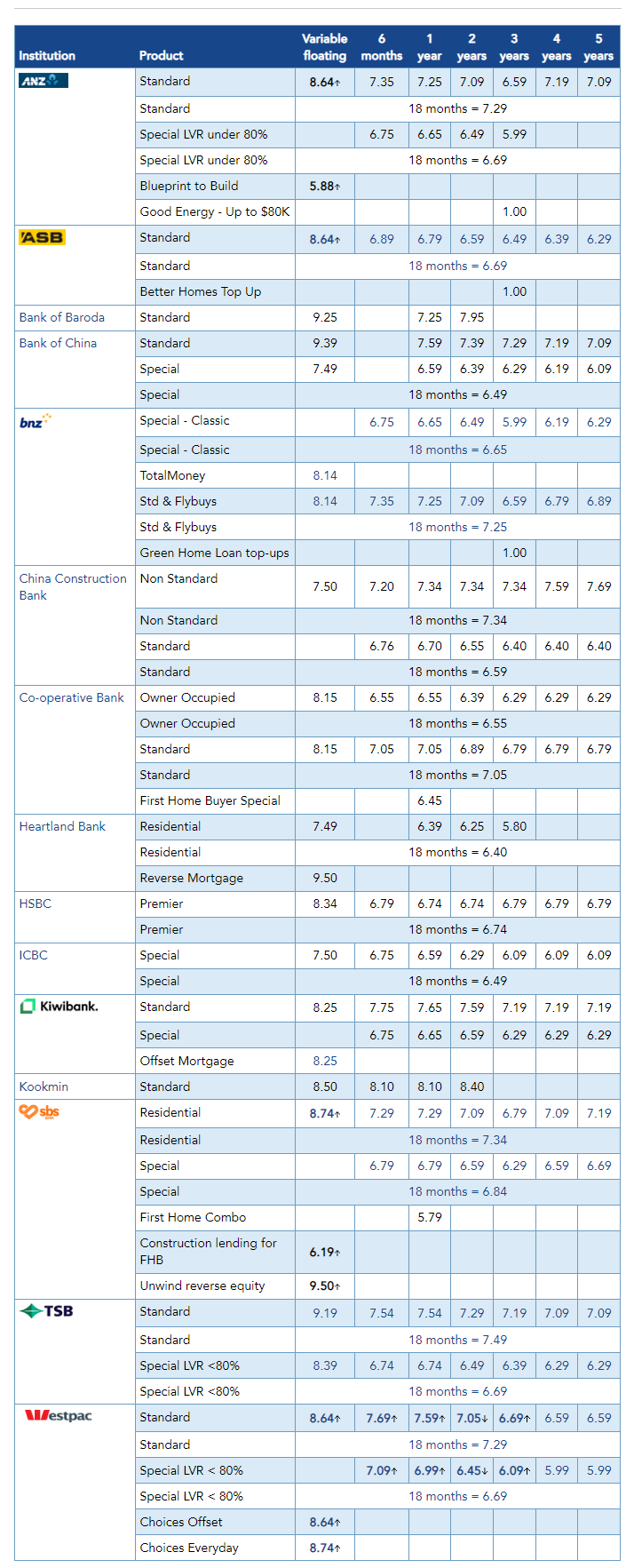
After the Reserve Bank of New Zealand announced a 25 basis point OCR increase last Wednesday, ASB led a fresh round of interest rate rises, with Westpac becoming the second bank to announce increases. Its floating rate reached 8.64%, matching ASB’s. Its one-year fixed mortgage rate rose by 20 basis points to 6.99%, while its two-year fixed rate fell by 14 basis points to 6.45%. ANZ was the third bank to raise rates, increasing its floating rate to 8.64% this Monday and its Blueprint to Build rate to 5.88%. The latest mortgage rates from the commercial banks are shown in the table below.
Latest mortgage rates from major commercial banks as at 30 May (Source: interest)
So what does the latest change in the Official Cash Rate
mean for New Zealand borrowers?
A couple living in South Auckland recently spoke to the New Zealand Herald about their inability to cope with current high mortgage rates. Sunny Saharan, aged 37, and his wife Pooja Saharan told reporters they had no choice but to emigrate. They now have to work four jobs to meet the enormous pressure of weekly repayments, yet still face a weekly shortfall of NZ$450.
They said that, following the Reserve Bank of New Zealand’s announcement of another OCR rise last Wednesday, they could no longer bear the enormous pressure of their mortgage repayments. Unless rates fall substantially by the time their current fixed rate of 6.7% expires next year, they will have to leave New Zealand and move to Australia.

Sunny Saharan and his wife Pooja still cannot afford their mortgage despite working four jobs between them
The couple reportedly now have to pay a hefty NZ$4500 a month in mortgage interest. They juggle multiple jobs while raising their 1-year-old son Summer. Sunny works as a senior account manager at Spark during the day and drives for Uber at night. He also hopes to take on a third job as a security guard at weekends to increase the family’s income. Pooja works full-time at Countdown and runs a part-time catering business from home.
They said Australia appeared more attractive because of its lower living costs and greater job opportunities. They were frank: With the OCR so high, even moving from Auckland to another New Zealand city would make no difference. Persistently high inflation means the same cost-of-living problems exist throughout the country. They hope the OCR will one day return to between 3% and 4%, bringing their mortgage pressure under control so they no longer have to juggle five jobs.
Sunny told reporters they had bought their current home 3 months earlier for NZ$805,000, and most of their monthly income went towards mortgage interest. Even driving for Uber 5 days a week still left a weekly repayment shortfall of NZ$450. Pooja added that expensive nappies and other baby supplies put them under enormous pressure. The financial strain had also negatively affected their lives as a couple, and Sunny worried that prolonged anxiety could trigger health problems.
Extra work also means paying more personal income tax. In his view, it makes no sense for taxpayers to pay as much as 33% in tax on their second income. The couple were disappointed with the Government’s latest Budget, believing it offered no relief measures to help middle-income households get through these difficult times.
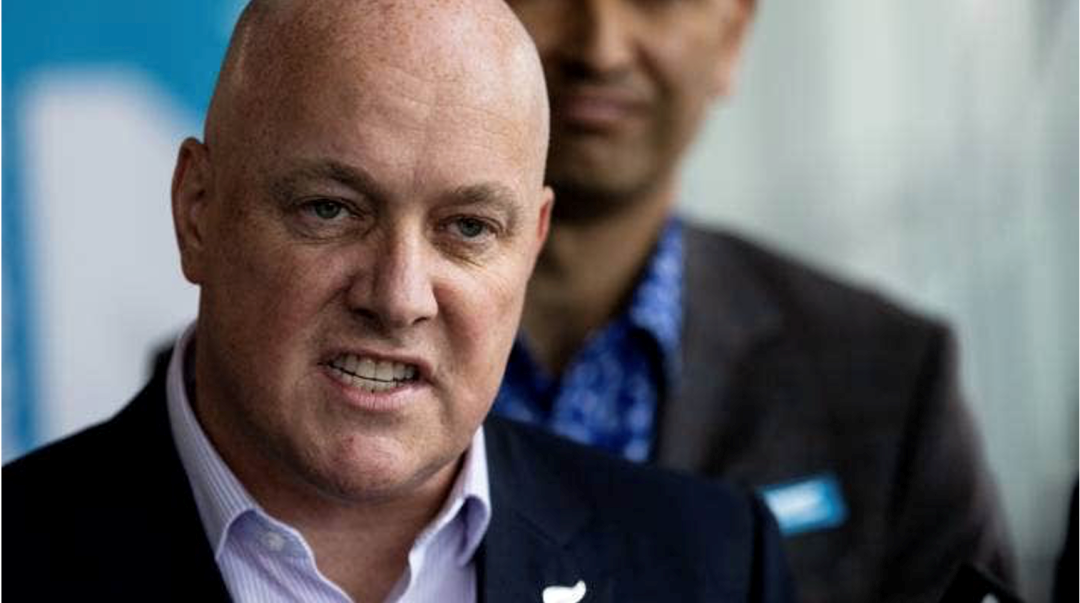
New Zealand National Party leader Christopher Luxon
National Party leader Christopher Luxon recently described the continuing rise in the OCR as “a bloody outrage and the most devastating blow to New Zealanders”, and said he did not believe the forecast that the Reserve Bank of New Zealand would begin cutting interest rates in the third quarter of 2024. He said everyone had witnessed 12 OCR increases over the past 18 months, an unbearable burden for any New Zealand borrower.
CoreLogic chief property economist Kelvin Davidson said that, with inflation starting to slow and forecasts showing it was already easing, a modest rate rise from the Reserve Bank was unsurprising. This was because the Bank was unmoved by recent positive market factors, such as the Budget and higher-than-expected net migration. In his view, the rise in short-term mortgage rates was surprising, particularly for borrowers yet to refix their mortgages, who would soon face repayment pressure.
{ad}
Claire Williamson, director of mortgage brokerage My Mortgage, said the Reserve Bank’s announcement of an OCR peak of 5.5% was “good news” for countless first-home buyers. However, for borrowers needing to refix this year, its latest rate rise would bring another “painful” increase.
Before the latest monetary policy announcement, Infometrics chief economist Brad Olsen said persistently high inflation in recent years was forcing people to tighten their belts. This meant mortgage holders’ first challenge was rising prices for essentials and food. He considered the Government’s efforts to curb high inflation necessary and responsible.