
Mortgage borrowers across New Zealand: check your situation now! Have you become a ‘mortgage prisoner’?
A property industry authority has recently sounded the alarm that growing numbers of New Zealand mortgage borrowers are becoming ‘mortgage prisoners’.
A property industry authority has recently sounded the alarm that growing numbers of New Zealand mortgage borrowers are becoming ‘mortgage prisoners’! As countless borrowers refix their loans, they face not only extremely high interest rates but potentially the frustration of being unable to switch banks. With interest rates rising and house prices falling, some borrowers no longer meet lending criteria and cannot move to other banks offering lower rates and cashback.
An experienced mortgage broker estimates that as many as 25% of borrowers could be in this difficult position: unable to access more competitive rates, benefit from cashback or escape the high interest rates charged by second-tier lenders.
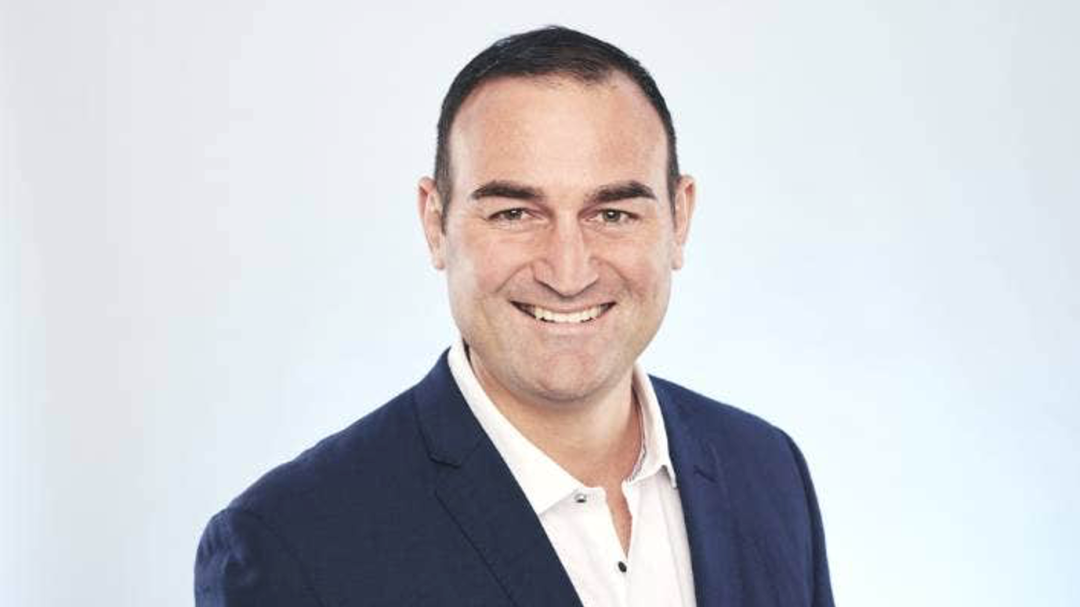
Rod Schubert Financial Advice (RSFA) managing director Rod Schubert
Rod Schubert, managing director of Rod Schubert Financial Advice (RSFA), estimates that 10%–20% of his clients cannot refinance because they do not meet lending requirements. This means they remain tied to their existing banks and have to accept high interest rates.
Borrowers are often unable to refinance when:
- Mortgage test rates keep rising alongside mortgage interest rates, while their personal incomes and property values continue to fall.
- Their financial circumstances have changed, for example, through a move from salaried employment to self-employment, or the arrival of another child…
Many borrowers have to pay low-equity premiums for longer, a situation Schubert calls ‘low equity lockdown’. He says that because banks will never waive borrowers’ deposit requirements, borrowers need to demonstrate that they have sufficient equity as security. With house prices falling much faster than debt is being repaid, having enough cash is a very real issue for borrowers.
He believes borrowers will struggle to escape these constraints unless they pursue the following three options:
- Renovate the property to increase its value, although this requires money and labour;
- Reduce debt and personal spending, which may mean ‘tightening their belts’;
- Wait for property prices to recover.
Schubert says bridging finance is becoming increasingly difficult to obtain, potentially putting people who need to sell their existing home to buy another in a difficult position.
{ad}
Campbell Hastie, director of Hastie Mortgage, also believes that around 25% of mortgage borrowers currently face being unable to switch banks. However, with most banks offering very similar mortgage rates, switching may not secure a better rate. What is certain, though, is that switching banks will still bring some cashback benefits.
Glen McLeod, a mortgage broker at Edge Mortgage, says the situation is worse for borrowers with second-tier lenders, particularly those seeking to refinance with a mainstream bank. Some second-tier lenders’ interest rates have risen to around 10%, making it difficult for brokers to move these loans to mainstream banks. McLeod says only about 5% of his clients are so-called ‘mortgage prisoners’, because he began advising them in mid-2021 to refix their loans for longer terms. Most of his clients’ fixed terms will not expire until late 2024 or early 2025. Without his help, the proportion of ‘prisoners’ would be much higher.
Schubert says New Zealand may have more ‘mortgage prisoners’ than other countries, such as Australia. This is because Australia is currently going through a period of rising mortgage test rates, while New Zealand has already completed that process. New Zealand also appears to have had more borrowers enter the market during the COVID pandemic, meaning more people are now affected.