
Due to settle on a new build soon? Check your finances now! Buyers unable to borrow enough are urgently halting settlement
Mainstream New Zealand media recently reported on the del Valle family, who had agreed to buy a new home in Te Atatū South for NZ$839,000
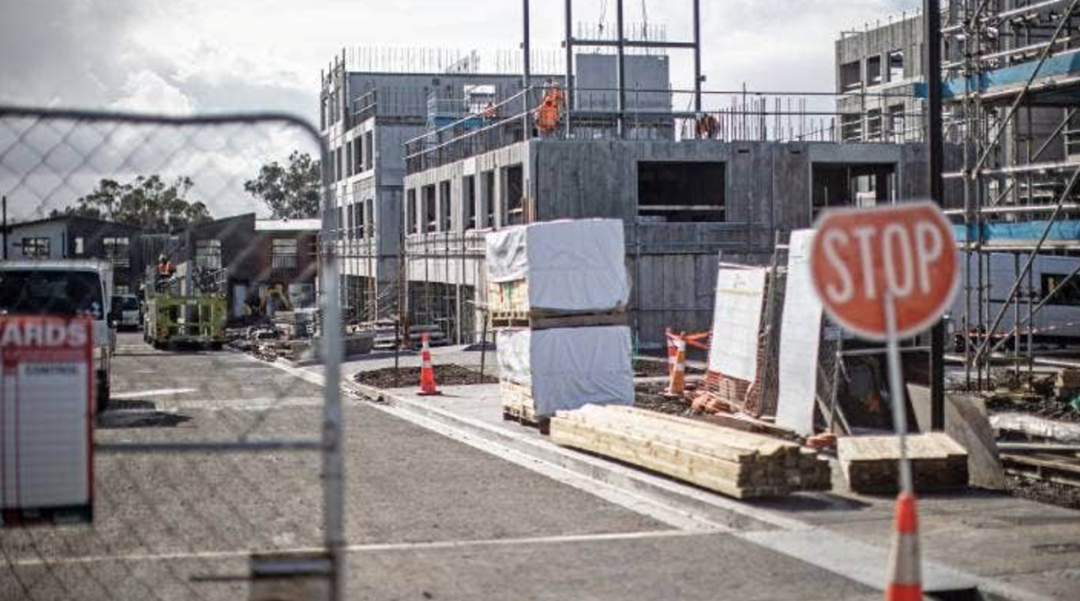
Mainstream New Zealand media recently reported on the del Valle family, who had agreed to buy a new home in Te Atatū South for NZ$839,000. With settlement approaching, however, the family were unable to obtain a large enough mortgage. As a result, they cannot settle and move into their new home, and may also lose their deposit and most of their savings, including money from two family members’ KiwiSaver accounts. Financial experts warn that buyers unable to fulfil new-build purchase contracts signed months or years earlier have become a familiar sight in the mortgage market recently.

A representative of a family unable to settle on their new home because of mortgage difficulties
Lea del Valle
Why is this happening?
Mortgage adviser Hamish Patel said a combination of adverse market factors was to blame. Sharply rising mortgage interest rates, higher mortgage test rates and falling house prices have combined to shut many borrowers out of bank lending. They had expected to secure sufficient finance before their off-the-plan homes were completed, only to receive bad news from the bank at the last minute.
Even now, many people, like this family from Chile, have yet to realise the seriousness of the problem. Speaking for the family, Lea del Valle said they no longer cared whether they ultimately owned the property. Their only hope was to recover their deposit, which represented almost all the family’s savings…
When the del Valle family began applying for a mortgage this year, the bank told them they could borrow at least NZ$300,000 less than they needed. However, when they asked to cancel the purchase contract, the seller refused.
Problems with off-the-plan purchase contracts
Property lawyer Joanna Pidgeon identified some issues after reviewing the del Valle family’s purchase contract. Pidgeon said the family should have obtained mortgage pre-approval before signing, to ensure their lending arrangements would allow settlement once construction was complete. A lawyer should explain the risks involved in the contract, including the risk that a property bought off the plans could lose value. One clause required the buyers to confirm their satisfaction with their financing within 5 working days, but that period was clearly insufficient: it would normally take 10 days or longer.
{ad}
The del Valle family now have a new lawyer, who has told them they can use the contract’s sunset clause to cancel if the seller cannot provide the title and code compliance certificate by the end of August. However, if settlement fails because of the buyers, the del Valle family, they will face more than the loss of their deposit: if the seller cannot resell the home for the same price, they could also be sued for the difference.
Mortgage adviser Hamish Patel believes many off-the-plan buyers have recently encountered similar problems. They signed contracts several years ago as the property market continued to heat up, but problems emerged when banks required valuations of the completed properties. If a new valuation is much lower than the originally agreed price, borrowers may find that their property has suddenly fallen into negative equity, meaning their loan is worth considerably more than the home itself. In such circumstances, banks generally decline mortgage applications.
One prospective buyer recently sought help online after a new home was valued at NZ$150,000 below the price in their earlier contract. The bank was willing to lend less than they needed. Worse still, cancelling the contract would mean not only losing their deposit but also having to pay additional compensation.

Mortgage adviser Hamish Patel
Mortgage adviser Hamish Patel said he had recently been dealing with a client’s difficulties. In some cases, construction takes longer than expected and the buyer’s pre-approval has long since expired. To avoid this, buyers should ensure their mortgage agreement remains valid beyond the date specified in the contract’s sunset clause. That way, even if pre-approval expires, buyers can withdraw from the transaction and recover their deposit.
Patel stressed that persistently high mortgage interest rates could also shut buyers out. Banks’ typical test rates have now risen from 6.5% two years ago to 9%. This means borrowers may need an additional NZ$30,000 in pre-tax income to qualify for the same loan amount as two years ago. During the 2008 property crash, he saw many cases where buyers could not obtain finance, developers sold the properties at lower prices and then pursued the original buyers for the difference. Many people do not appreciate how serious this problem is: buyers risk not only losing their deposit but also being sued.