
How will the election affect the property market? Should homeowners planning to sell soon wait until afterwards to list? Experts are divided
With 50 days until New Zealand’s 2023 general election, election billboards have already appeared on Auckland streets. Buyers and sellers alike are waiting with bated breath for the result
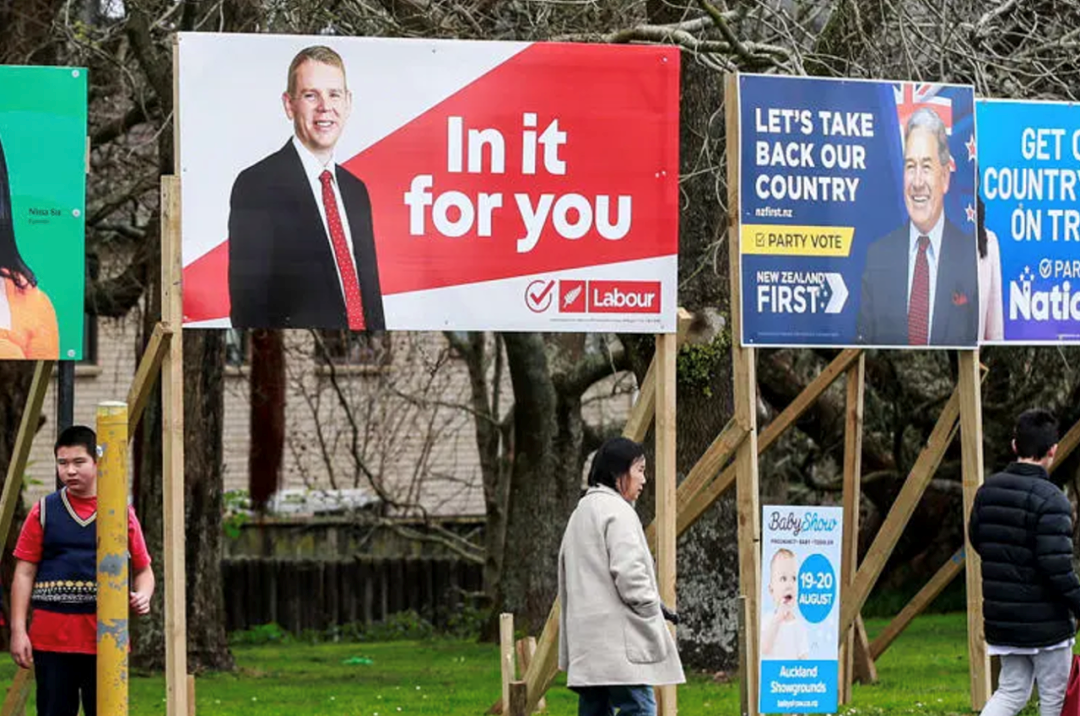
With 50 days until New Zealand’s 2023 general election, election billboards have already appeared on Auckland streets. Buyers and sellers alike are waiting with bated breath for the result.
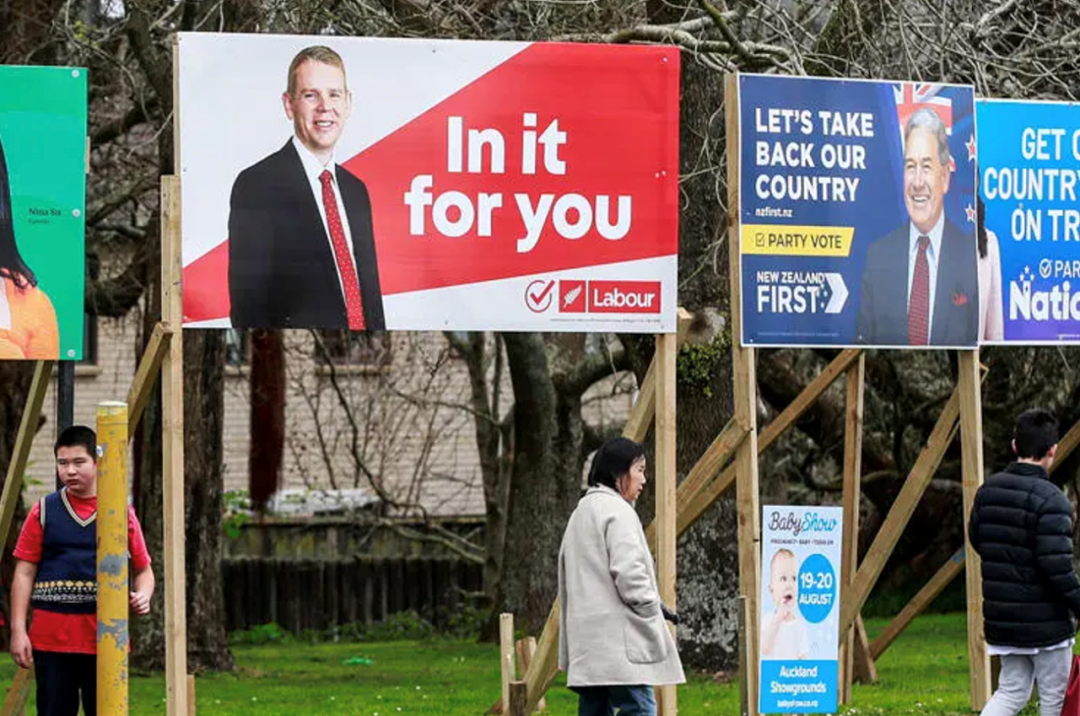
A local real estate agent recently told the media that a seller had instructed her to list their property immediately after the election. At first glance, this request seems reasonable. New Zealand’s property market is still declining, and many buyers and investors are holding on to their money, waiting for the election result before deciding whether to buy.
In the latest 1 News Verian poll released this week, Labour’s support fell below 30% to 29%, down 4 percentage points from the previous poll. This was the party’s worst polling result since Chris Hipkins became its leader. Meanwhile, National rose 2 percentage points to 37%, ACT rose 1 percentage point to 13%, and the Greens rose 2 percentage points to 12%.
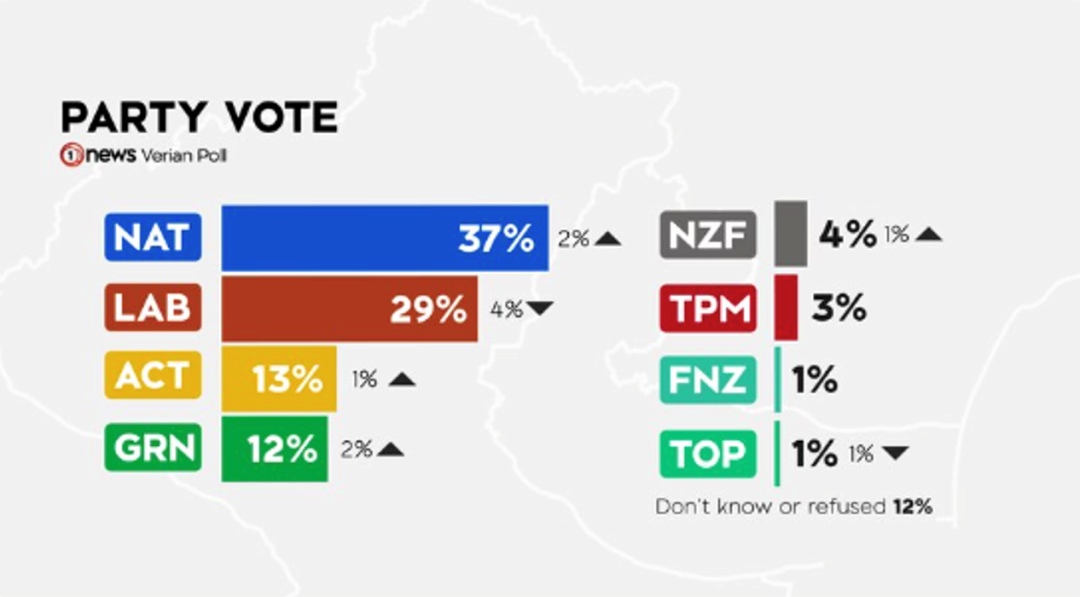
This week’s latest poll results. Source: 1 News
At present, National has a strong chance of winning this year’s election. If it takes office, it is very likely to restore interest deductibility, which would inevitably attract investors back to the market and drive a strong rebound in house prices. Some therefore believe sellers may achieve a much higher price simply by waiting until National takes office before selling.
But will the market really respond this way? Many property industry analysts have offered a different answer.
{ad}
Ian Little, associate director of property research at Colliers, said only major changes to property market policy after the October election would have an immediate effect on the market. Little said National would certainly restore interest deductibility and shorten the bright-line test from 5 years to 2 years if it took office. However, even if all these policies were implemented, they would have a material impact only on investors or people selling investment properties.
There is no indication that any policy announced so far would affect owner-occupier buyers. Little added that if National won power after the election, competition from investor buyers would intensify, so now could be a good time for owner-occupiers to buy.
Bayleys head of insights Chris Farhi agreed, saying there was no clear evidence that the election result would directly trigger a rapid recovery in the property investment market. He said that if the winning party promised significant policy changes for investors, it would inevitably attract more buyers back to the market.
Opes Partners resident economist Ed McKnight said historical property sales data showed elections did affect sales volumes, but not necessarily prices. Generally, uncertainty about the country’s direction saw sales volumes fall 6% in the 6 months before an election, then rise 6% in the 6 months afterwards.
Opes Partners resident economist Ed McKnight: “I think the period before the election offers a good property investment opportunity for savvy investors.”
He believed that, with a National government proposing a series of property investment reforms, now could be a good time for investors to buy. Fewer people were buying during the pre-election lull, and astute investors would use this quieter period to secure the property they wanted, perhaps even negotiating a good price. In other words, conditions were at least much better than they would be in 6 months. On the other hand, sellers planning to sell soon might consider waiting. Once National’s policies were introduced, people would be more confident about the property market’s future, and sales volumes could rise substantially.
Keely Anderson, owner of real estate agency Tall Poppy Queenstown, believed investors had already returned to the market. Property sales enquiries in the area surged last month, in stark contrast to the previous month. Anderson said her clients were quite optimistic about the post-election market. One had even asked her to list their property the day after voting ended. She said she was very busy, having completed 6 appraisals last Wednesday alone. Some people were even asking to list without an appraisal.
Ray White agent Ross Hawkins said people considering selling should act now, because the current shortage of stock left buyers with limited choice. He expected listings to increase after the election, giving buyers more options and intensifying competition among sellers.
However, although listings would increase, he did not expect a sudden surge in buyers after the election, because interest rates would not fall overnight and the market would not immediately open to overseas buyers. As time goes on, let us look forward to post-election policy changes that support a property market recovery.