
Prices rise! Auckland's median house price returns to the million-dollar mark! What do the figures tell us about the housing market?
Survey data from the Real Estate Institute of New Zealand (REINZ) shows Auckland's median house price returned to above NZ$1,000,000 in August
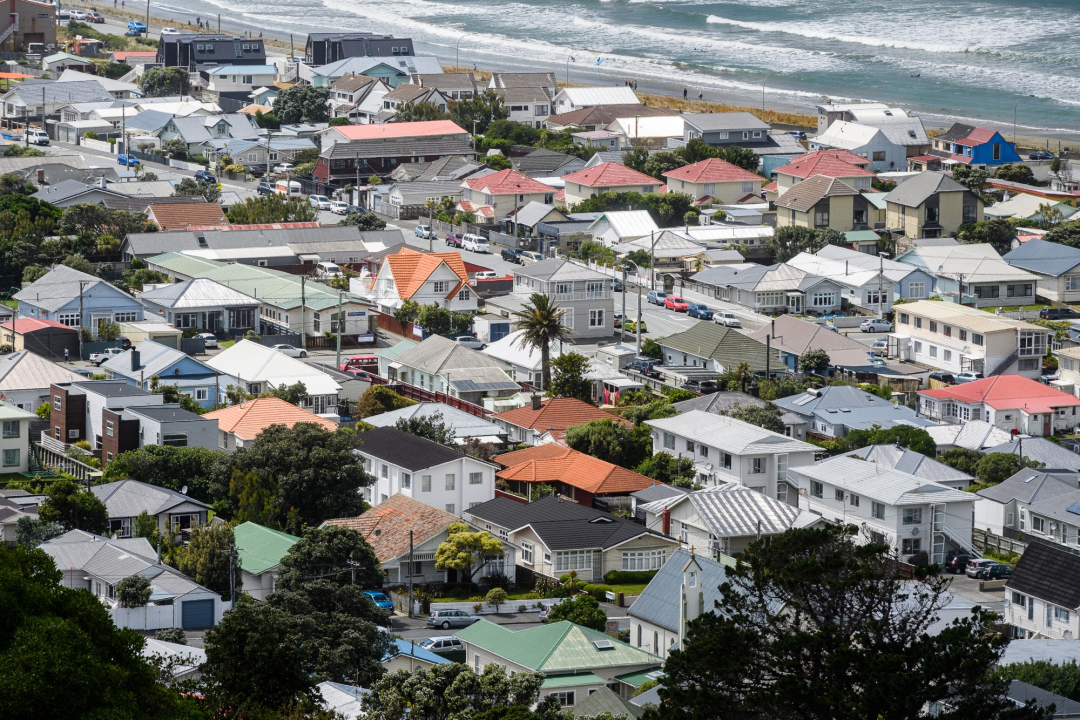
Survey data from the Real Estate Institute of New Zealand (REINZ) shows Auckland's median house price returned to above NZ$1,000,000 in August, reaching NZ$1,010,000. Its latest house price index shows Auckland prices rose 2% month on month in August, while property markets elsewhere in the country also showed signs of recovery. Nationally, house prices increased 0.9% month on month. Median house prices rose 3.6% in Northland, 14.8% in Gisborne, 2% in Southland, 0.8% in Canterbury and 0.7% in Nelson.
The latest figures released last Friday by property data research firm CoreLogic also confirmed this upward trend. In the third quarter of this year, 269 of New Zealand's 924 suburbs recorded increases of varying sizes, more than twice the number in the second quarter.

CoreLogic Chief property economist Kelvin Davidson
CoreLogic chief property economist Kelvin Davidson said recent strong market performance showed that house prices in 29 suburbs nationwide had risen by at least 2% since June, including 13 in Auckland and 4 in Wellington. Christchurch has also seen renewed growth, with house prices in 14 suburbs rising by at least 1% since June.
Davidson said house prices rose in 76 Auckland suburbs in the third quarter of this year. Herald Island, Maraetai and Mellon Bay led the gains, each increasing by more than 3%. In Wellington, 27 of its 96 suburbs halted their declines, while the number of Christchurch suburbs recording increases reached 50.
Davidson attributed this to several favourable factors underpinning price growth in an increasing number of suburbs, including a widespread belief that mortgage rates have peaked, a surge in net migration, a strong labour market and looser credit rules. He also said that although housing policies introduced if National came to power could boost house prices, he still expected the next phase of price growth to be extremely modest, constrained by persistently high mortgage rates and debt-to-income limits.
Independent New Zealand economist Tony Alexander is also confident about the housing market's future. He expects house prices to rise 5% this year, 10% next year and 15% in 2025. He believes increased net migration, reduced construction activity, future interest rate falls, fewer properties listed for sale and steadily rising rents will all significantly support a thriving New Zealand property market. The future recovery of tourism and an increase in international student numbers will also stimulate demand in the rental market.
Meanwhile, Trade Me survey data shows properties are spending less time listed for sale, and asking prices have risen for the first time in 10 months. In July, properties were listed on the website for an average of 74 days, already a market low. By August, this had shortened to 68 days.
{ad}
Trade Me property sales director Gavin Lloyd said selling methods often change subtly with market conditions. In a hot market, where demand is strong and exceeds supply, more properties are sold through methods with less price transparency, such as auctions or tenders. In a subdued market, sellers tend to choose more transparent methods, such as an asking price or sale by negotiation. In August, we saw this subtle shift taking place: auction listings accounted for 19% of all properties listed for sale, well above 10% in July. The share of listings with an asking price fell from 35% in July to 26% in August.
Lloyd said his advice to those waiting for house prices to bottom out was to act now. If you have a sufficient deposit, contact a real estate agent and mortgage adviser and be ready to buy!