
House prices rise in 188 suburbs across New Zealand! Five things to watch in the property market this week
In the third quarter ending in September, house prices in 188 suburbs nationwide rose by at least 0.5%
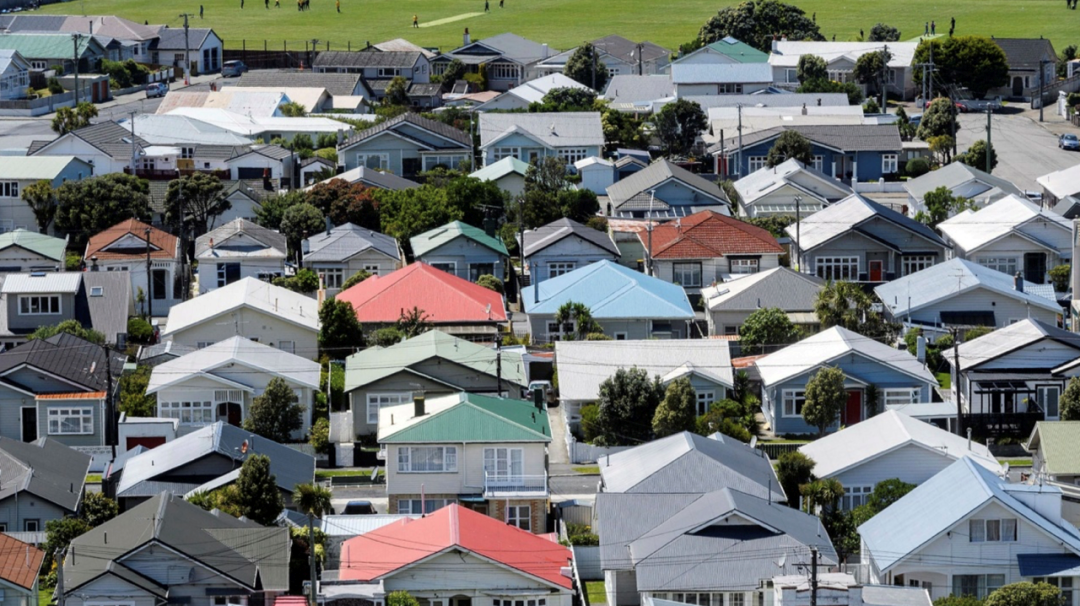
Signs of a broad recovery in New Zealand's property market?
Last week, CoreLogic released its latest report on median property values across New Zealand suburbs, Mapping the Market. It showed that in the third quarter ending in September, house prices in 188 suburbs nationwide rose by at least 0.5%, compared with just 71 suburbs recording increases in the second quarter. This means signs of house price growth are spreading to more parts of the country, including parts of Auckland and Wellington such as Howick, Otara, Stonefields, Newlands and Southgate. Nevertheless, CoreLogic chief economist Kelvin Davidson said persistently high mortgage rates had kept price gains very limited. At the very least, however, the figures indicated that the housing market was steadily recovering.
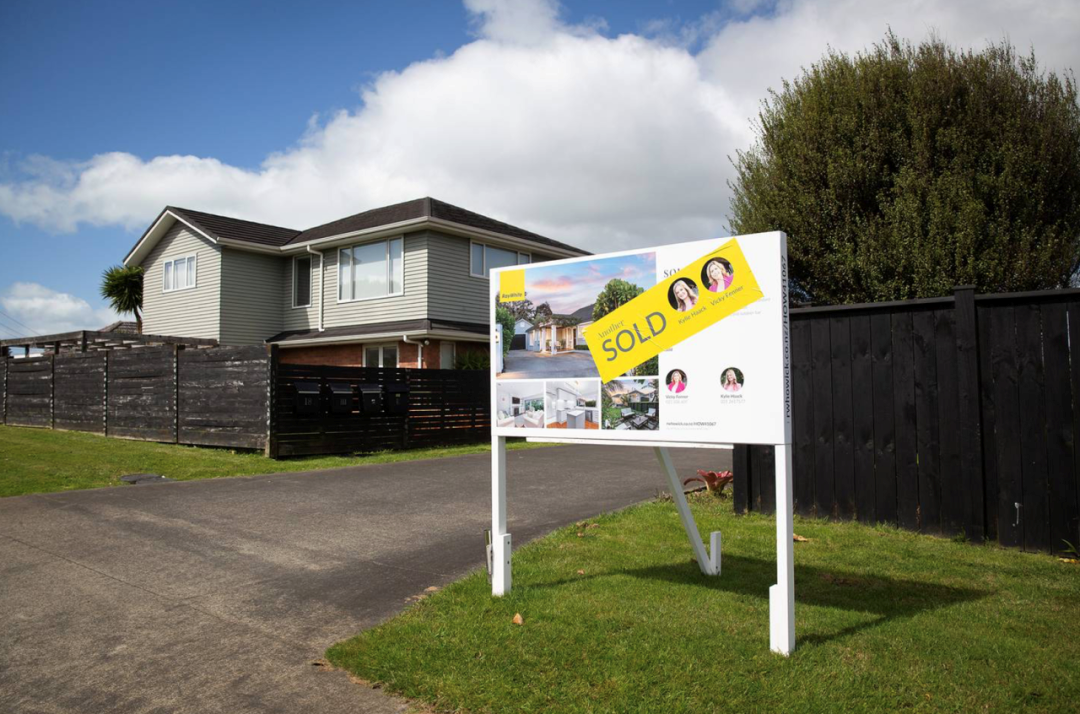
Howick property values have risen 2% since the start of month 6
Photo / Sylvie Whinray
2
Are first-home buyers still driving the market?
CoreLogic's latest buyer classification data shows first-home buyers accounted for about 27% of all buyers in August, a record high. Clearly, compared with 2021, first-home buyers now face much less competition from other buyer groups, such as investors, while house prices are significantly lower. They also benefit from various home-buying incentives, including KiwiSaver withdrawals for all or part of a deposit, first-home buyer loan grants, and preferential policies giving them access to low-deposit lending under loan-to-value ratio (LVR) rules.
By contrast, activity remains relatively quiet among owner-occupiers moving to larger or smaller homes and investors with multiple mortgaged properties. Although they are still buying, they are doing so much less frequently than before. For owners of multiple investment properties in particular, low rental yields, persistently high mortgage rates, high LVRs and the removal of mortgage interest deductibility make further property investment more difficult.
3
Is rent growth accelerating?
Rising rents may also be one reason more first-home buyers are entering the market. A Stats NZ survey of new tenancies shows rents rose 6.2% in the year to the end of August, the largest increase in 16 months and a substantial lift from growth of less than 1% at the end of 2022. With rents already high relative to incomes, this suggests future rent growth will be extremely limited for a time. However, given the relatively tight balance between supply and demand in the rental market, reflected in low vacancy rates, rents are still expected to rise further.
4
Will net migration remain high?
Another factor supporting rapid rent growth is persistently high net migration. Figures show net migration of 5800 people in July, bringing the annual total to 96200, the highest level in 20 years. That figure is set to be surpassed again in August and September. The clear signal for the market is that New Zealand's population has grown substantially. A large share of this net migration has already had a positive effect on the rental market and provided some support for house prices.
{ad}
5
Has New Zealand's economy emerged from recession?
Stats NZ will release a key economic figure this Thursday morning: New Zealand's second-quarter gross domestic product (GDP). Readers may recall that GDP declines in the fourth quarter of 2022 and the first quarter of 2023 amounted to a “technical” recession. Official expectations are for growth of around 0.5% in this year's second quarter, which would mark the end of the recession. However, significant economic challenges remain, and strong economic growth is unlikely to return soon. The consensus is that New Zealand could slip back into another mild recession in the second half of 2023.