
Chinese New Zealanders, take note! Election voting starts today! Vote at any voting place over the next two weeks, even if you have received no voting papers!
With the 2023 general election approaching, this fiercely contested battle is reaching fever pitch
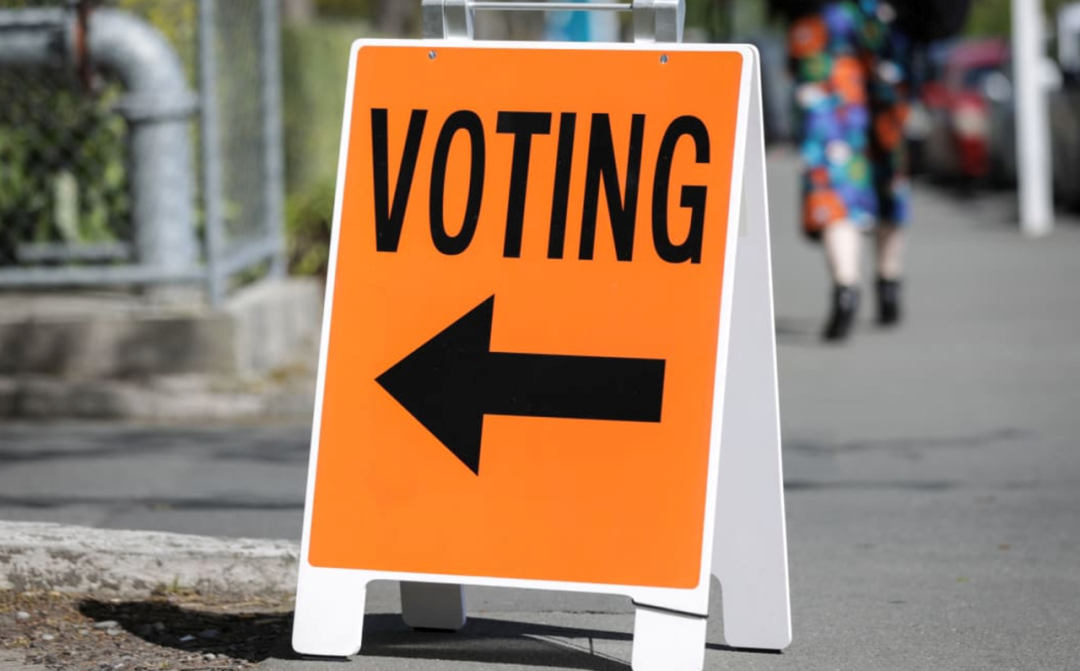
With the 2023 general election approaching, this fiercely contested battle is reaching fever pitch. Advance voting officially begins today (2 October)! Anyone eligible to vote in New Zealand can vote early, with voting closing on election day, 14/10.
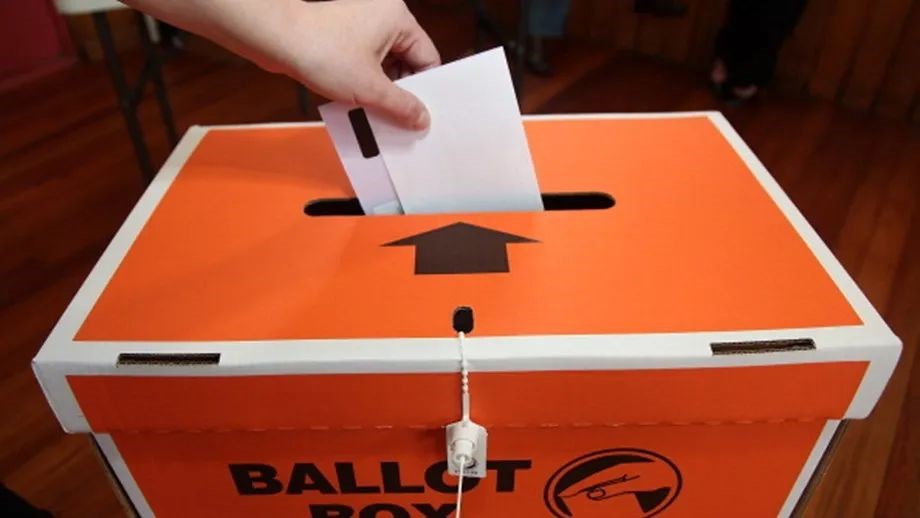
In the lead-up to election day, the views of every New Zealand citizen and resident matter. Your vote helps shape New Zealand’s future direction! YIJU reminds everyone: Every vote is valuable. Whichever party you support, casting your vote helps ensure the Chinese community is taken seriously and that our voices have a place in future policy decisions!
Why is the general election so important to us?
New Zealand holds a general election every three years, meaning the parties elected to power can lead the country for three years. For example, earlier this year, former New Zealand prime minister and Labour leader Jacinda Arden unexpectedly announced her resignation. Labour then chose a new leader internally to succeed her as prime minister and continue implementing Labour’s policies. From a voter’s perspective, voting is therefore described not only as “the responsibility and duty of New Zealand citizens and residents aged 18 and over”. Bound up with that responsibility and duty are power and opportunity: the opportunity to support a government we believe in comes only once every three years.
Why is the general election so important to the Chinese community?
Surveys of voting in previous general elections show that participation among Chinese New Zealanders still needs to improve. Some Chinese people interviewed even said they did not care about the election result and showed little interest in political participation. This makes it difficult for candidates to give the Chinese community due attention during campaigns or speak up for its rights and interests, gradually diminishing the community’s presence in New Zealand society. Chinese New Zealanders need to increase their voting participation to declare: We have contributed to New Zealand’s development and prosperity and are an active part of this country. Our rights, interests and aspirations deserve to be taken seriously!
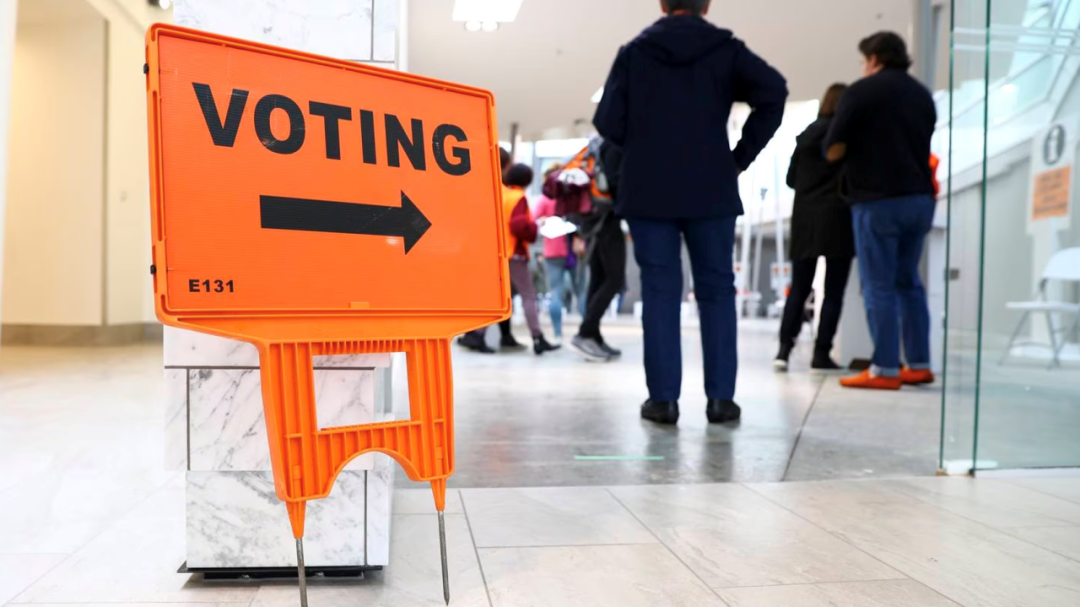
How do you vote?
Voting has officially begun. What exactly do we need to do as voters?
To enrol and vote, you must:
- Be aged 18 or over
- Be a New Zealand citizen or resident, and
- Have lived in New Zealand continuously for 12 months or more at some point in your life
01
Enrol on the official voting website
Check that you have successfully enrolled (copy the link into your browser):
https://enrol.vote.nz/app/enrol/#/check-online
If you have not enrolled when you arrive at a voting place, you can enrol and vote there.
02
EasyVote pack
Voters who enrolled before 10 September will receive an EasyVote pack in their home letterbox. It contains information about how to vote, who the candidates are and when you can vote, along with an EasyVote card. Bring the card on election day to help the voting process run smoothly.
If you have not received it, that is fine. You can go directly to a voting place, give your name and address, and vote there.
The image shows an EasyVote card issued for the 2020 general election
03
Identify your electorate and confirm who is standing as an electorate MP there.
Enter your address in the top-left corner of the map to find your electorate (copy the link into your browser):
https://vote.nz/maps/find-your-electorate/?gclid=CjwKCAjwgsqoBhBNEiwAwe5w09Uc8SfvjG9Nw0941gCZf-N9XKu2ZQ9Kvw9H-3fUGQNlP8i_TLq9WRoC1MAQAvD_BwE
Download the table or enter your electorate type and name (copy the link into your browser):
https://vote.nz/2023-general-election/about/2023-general-election/electorate-candidates?gclid=CjwKCAjwgsqoBhBNEiwAwe5w0yaEG8eyYxV-fva59FwejaYOcUW1bGZ4eftF8NwLLqXVz6S0wqiuSBoCy7YQAvD_BwE
04
Find your nearest voting place
Select your electorate and residential area on the website to see your nearest voting places and their opening hours (copy the link into your browser).
https://vote.nz/2023-general-election/how-to-vote/find-a-voting-place/
Please note: you can vote at any voting place! It does not have to be within your electorate.
05
Take your EasyVote card to a voting place.
If you do not have a card or forget to bring it, you can still vote, and you do not need identification.
06
What happens at a voting place?
- At the voting place, staff wearing orange vests will welcome voters.
- Hand over your EasyVote card to receive your voting papers. If you do not have an EasyVote card, you will need to provide your name and address for the voting place’s system and wait for staff to find your name on the electoral roll. Once they find it, you will receive your voting papers.
- You will receive two ballot papers: a party vote and an electorate vote. Make your choices on the voting papers, circling your chosen party on the left and your chosen MP on the right. Voters on the general roll should put their voting papers in the orange ballot box; the ballot box for Māori roll voters is grey.
Below is this year’s election timetable:
(The editor translated the information in the image from New Zealand’s official voting website.
To view the original information, visit https://vote.nz/2023-general-election/about/2023-general-election/key-dates/ )
Understanding the voting system and process for the New Zealand General Election 2023:
New Zealand has used the Mixed Member Proportional (MMP) electoral system since 1996. Each voter has two votes: a party vote for a political party, and an electorate vote for a candidate in the electorate where they live.
A party must receive at least 5% of the party vote to be represented in Parliament. Its share of the party vote determines its proportion of Parliament’s 120 seats. For example, 5% of the party vote equates to 6 parliamentary seats. The electorate vote is primarily used to elect electorate MPs. The party or independent candidate with the most votes in an electorate gains a seat in Parliament to represent that electorate’s interests and participate in parliamentary and legislative decisions. Electorate MPs usually hold between 70 and 80 seats in Parliament.
If a party receives 10% of the party vote, equivalent to 12 parliamentary seats, but only 5 of its candidates win the most votes in their electorates, securing 5 seats, the remaining 7 seats are filled according to the party’s list rankings. If a party is entitled to 5 seats through the party vote but 6 of its candidates win their electorates and are entitled to seats, its party-vote allocation is insufficient, so an extra seat is added to Parliament. Ultimately, the leader of the party with an absolute majority, holding more than 50% of the seats, becomes New Zealand’s head of government—the Prime Minister of New Zealand.
The general election is closely connected to voters’ aspirations, rights and interests. Parliament is New Zealand’s legislative body, and party members or independents who gain seats advocate for voters’ interests during the law-making process. Governments can also be formed in different ways: parties can form coalitions to secure an absolute majority of parliamentary seats and form a government. Even if a voter’s preferred party is unlikely to win an outright majority, alliances can still allow it to speak up for voters and fulfil its campaign promises!
If you are voting in a general election for the first time, the following Q&A covers some common questions:
Q: This is my first time voting in a general election. What do I need to do beforehand?
A:First, enrol on the official website using your real details. Voting is secret, and your real name will not be made public. If you enrol after 10 September, you can cast a special vote using the Special Vote Pack posted to you. During enrolment, you will need to answer four questions to confirm your eligibility to vote.
Q: I have not enrolled on the website. Can I go straight to a voting place to vote?
A:Yes. According to the official website, you can go directly to a voting place and complete an enrolment form there. You then simply need to fill out a “Special declaration vote” form.
Q: I am outside New Zealand but eligible to vote. How can I vote?
A:The general election needs every eligible voter to participate, so telephone dictation voting and overseas voting are available for eligible voters with particular needs.
For details of telephone dictation voting, visit:
https://vote.nz/2023-general-election/how-to-vote/telephone-dictation-voting/
For details of overseas voting, visit:
https://vote.nz/overseas/vote-from-overseas/vote-from-overseas/
Q: I circled the wrong choice on my voting paper. Can I take it back?
A:Yes. Once you confirm that you have marked your vote incorrectly, the paper is treated as a spoiled ballot. Tell a staff member, return the spoiled ballot and ask for a new voting paper to make your choice.
Q: Where can I find more information about the election and the results?
A:You can visit these two websites:
For more details about the election, visit New Zealand’s official election website:
https://vote.nz/
Or search for “Vote nz” using a search engine.
Election results website:
https://electionresults.govt.nz/