
Did September rent growth reach the second-highest rate on record? These regions had the fastest annual increases
Rents for new residential tenancies in September this year rose a further 7.2%, the second-highest increase on record.

|
Stats NZ's latest rental price index report, released last Thursday, showed that rents rose 4.2% in the year to the end of September. Rents for new residential tenancies in September rose a further 7.2%, the second-highest increase on record. Auckland's rents set a new record, with annual growth reaching a remarkable 9.4%.
|
CoreLogic Head of Research Nick Goodall said a key factor was New Zealand's rapid population growth, driven by a record surge in net migration. In the year to the end of August, net migration increased by 110,200 people. He said people were staying in their rental homes longer, reducing turnover and leading to declines in both tenancy transactions and the supply of available rental properties. Compared with the market data for August, rents rose 0.3% in September, but market turnover changed little.
Infometrics Chief Forecaster and Director Gareth Kiernan said rental inflation was worsening. This was the second-highest rent increase since the series began in 2006/07, exceeded only by the increase in September 2021. That record surge occurred during the COVID pandemic, following changes to rent freezes and rules governing rent increases.
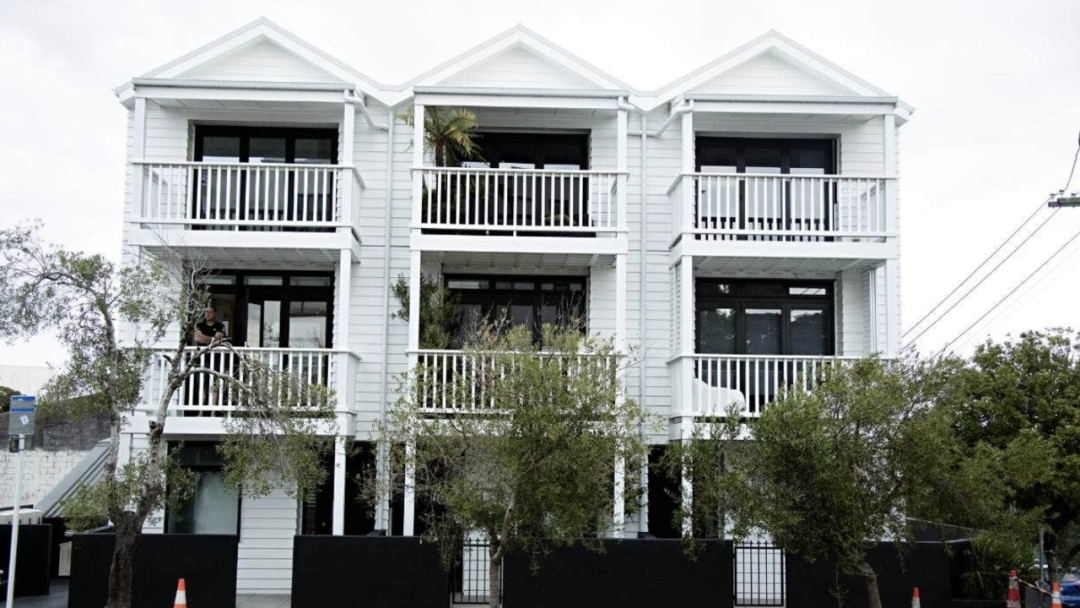 Auckland has the largest gap between rental supply and demand
Growing rental demand in Auckland has put pressure on the region's rental housing stock. This has also been reflected in the property sales market, with Auckland house prices rising again over the past four months. Meanwhile, Stats NZ's regional rental survey data shows that upward pressure on rents is also increasing across most other parts of New Zealand. Annual rent growth was 4.4% in Wellington and reached 4.7% in Canterbury.
Trade Me Property's survey data shows that median weekly rents surged by at least 10% in six regions over the past year. The property website's latest rental figures show that the national median rent remained at NZ$620 a week in September, unchanged for a fourth consecutive month. This was 7.8% higher than a year earlier, when the national median was just NZ$575.
Trade Me Property Sales Director Gavin Lloyd said an increase of NZ$45 a week, or NZ$2340 a year, was substantial. Some regions saw even larger increases. Northland, for example, recorded annual rent growth of 14.9%, taking its median rent to NZ$580 a week. This means tenants need to pay more than NZ$75 extra each week.
Marlborough and Auckland followed closely, with annual rent increases of 14% and 11.7%, taking their median rents to NZ$570 and NZ$670 respectively. Taranaki, the Bay of Plenty, Canterbury and Wellington also recorded strong rent growth, with rents rising to NZ$600 (11.1%), NZ$650 (10.2%), NZ$550 (10%) and NZ$640 (6.7%) respectively.
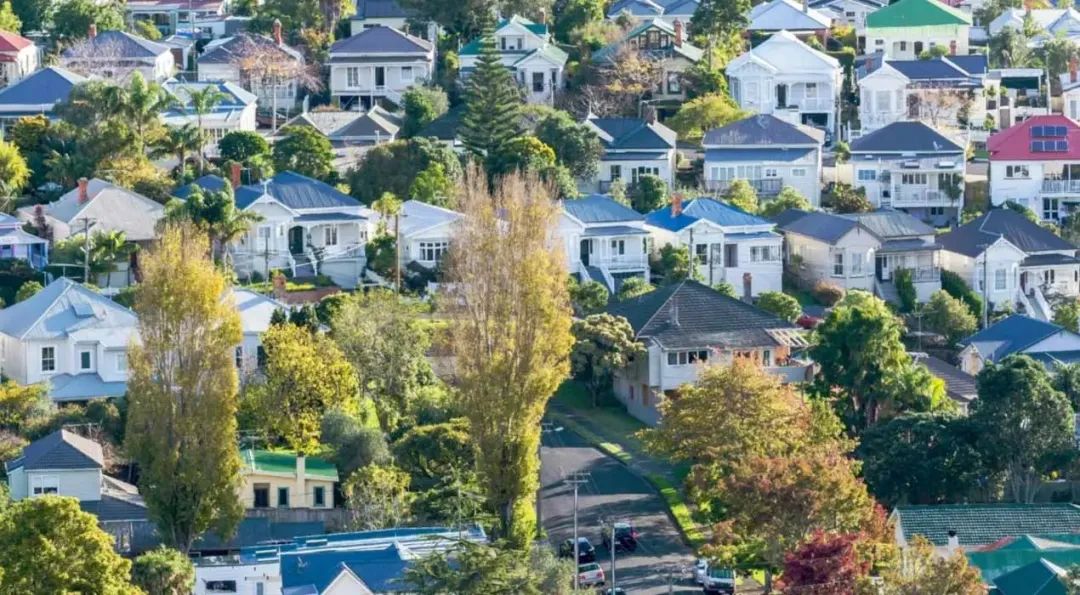
Lloyd stressed that Trade Me's figures showed demand exceeding supply in the rental market. Rental listings fell 16% from a year earlier, while demand rose 11%. Auckland had the largest supply and demand gap, with rental listings down 26% and demand up 28% year on year. Rents were continuing to climb, with the median rent for a 3–4 bedroom house reaching a record $770 a week. Apartment rents in the region rose 11.8% from a year earlier, while rents for units and townhouses increased 10% and 4.4% respectively. Lloyd said Auckland's high rents were putting enormous pressure on tenants' living costs, and they were unlikely to see rents fall in the short term. As a result, tenants would need to pay more to find a suitable home.
Interestingly, this differs sharply from Stats NZ's latest figures, which show national annual rental inflation of just 6.2%.
A recent Auckland Property Investors' Association survey found that 77.7% of respondents were charging higher rents than last year, while 38.7% said their increases were between 5% and 10%.
Independent economist Tony Alexander's recent landlord survey found that 82% planned to raise rents within the next 6 months. Notably, this survey measure has remained high, at around 81%, since March this year.
Material for this article was sourced online.
{ad}