
Are New Zealand’s first-home buyers the worst off in the world? The data reveals the truth!
In this article, we take a closer look at whether New Zealand’s first-home buyers really are struggling so badly.

|
As is widely known, New Zealand house prices have been on a rollercoaster in recent years, soaring and then falling. Many people who bought near the peak have also had to endure exceptionally high mortgage interest rates. For first-home buyers, purchasing a home can put even greater strain on already stretched household finances. They often buy with a very small deposit, so repayments remain a heavy burden even if the house price is relatively modest. Any rise in interest rates can then cause financial difficulties for the household. In this article, we take a closer look at whether New Zealand’s first-home buyers really are struggling so badly.
|

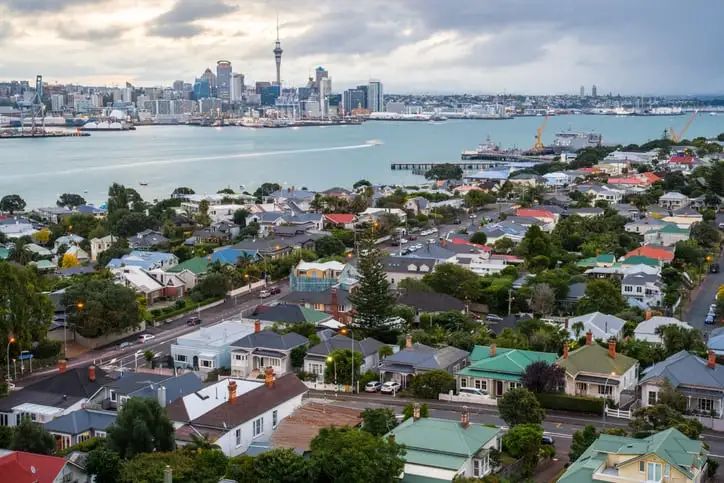 Homeowners who bought within the past couple of years are finding it difficult to sell now without making a loss
Recent figures from property research firm CoreLogic show that 7.4% of properties sold in the third quarter of this year fetched less than their owners had paid. This means around 50 first-home buyers sold their only property at a painful loss, losing a substantial portion of their deposit. This measure was above the second quarter’s 7.1% and well above the 1% recorded in late 2021 and early 2022.
CoreLogic chief property economist Kelvin Davidson said bluntly that around 500 property sales in the third quarter of this year were made at a loss, including approximately 100 properties bought by first-home buyers. About half of those 100 first-home-buyer sellers had purchased within the past two years. He therefore concluded that deteriorating financial circumstances might have forced them to sell while in negative equity, although fortunately relatively few people were in that position. Davidson observed that these negative-equity properties tended to be in either Auckland or Wellington, closely matching the steeper price falls in those markets.
Nationally, the median loss on properties sold was NZ$45,000, but the median losses for Wellington and Auckland sellers were higher, at NZ$136,000 and NZ$63,000 respectively. This contrasted sharply with the median gain of NZ$284,806 achieved by sellers who made a profit. Davidson stressed that around 53% of properties sold at a loss had been owned for less than two years, while the median holding period for properties sold at a profit was 8.1 years. In other words, owners who bought during the price peak from late 2020 to the second half of 2021 and now have to sell for any reason face an almost impossible task if they hope to avoid a loss.
{ad}Gareth Kiernan of Infometrics said that although another interest rate increase was unlikely, mortgage holders would not see any significant easing in repayment pressure before the end of next year. Many sellers in negative equity had originally intended to hold their properties for longer, but changes in personal circumstances, such as divorce, moving overseas or financial pressure, had forced them to sell at a loss. Many had even chosen to sell before their mortgage lender took action. He acknowledged that in places such as Wellington, where house prices had fallen sharply, first-home buyers who initially paid a 20% deposit could well now be in negative equity. Kiwibank chief economist Jarrod Kerr said first-home buyers caught in this position had bought at the wrong time. However, he said most first-home buyers intended to hold their properties for the long term, and a fall in equity would not affect them as long as they did not sell.
The research shows that owners of standalone houses were less likely to sell at a loss than apartment sellers. Just 6.7% of house sales made a loss, well below the 22% recorded for apartments. Auckland had the highest proportion of sellers making a loss, at 11.3%, compared with 7.6% in Wellington and 4.6% in Christchurch. Investors’ loss-making share was 8.6%, slightly higher than owner-occupiers’ 7%. Nationally, investors’ median resale gain in the third quarter of this year was NZ$285,000, slightly above the NZ$280,000 for owner-occupiers. Among loss-making sales, investors’ median loss was NZ$48,000, slightly higher than the NZ$45,000 for owner-occupiers.

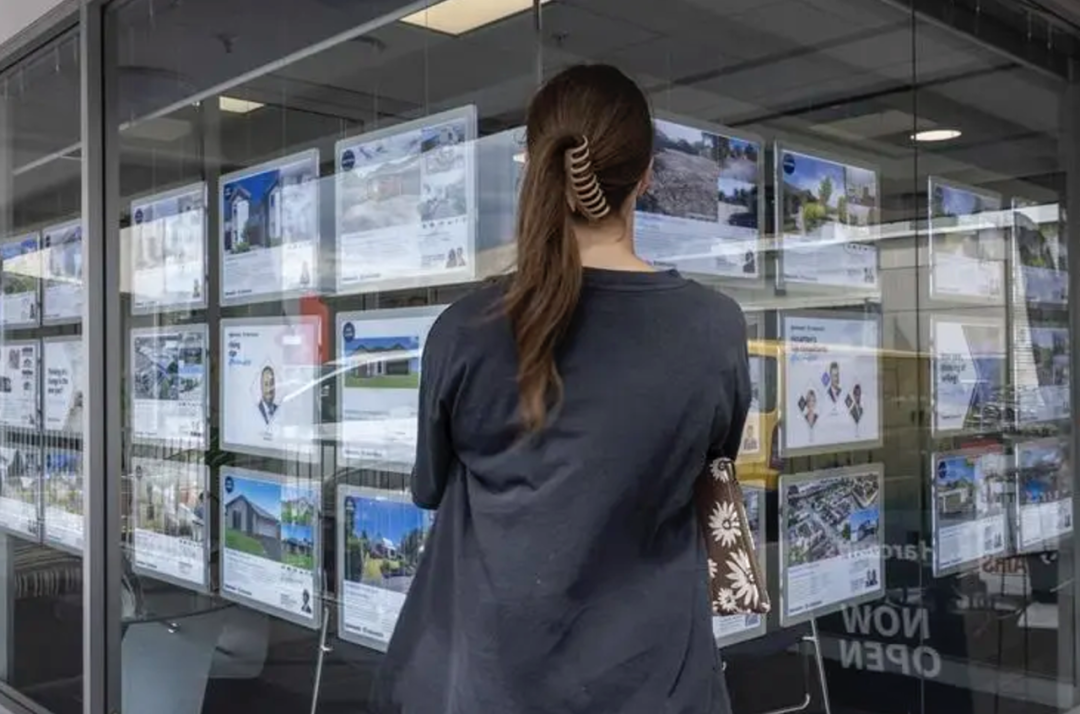
If that is the situation for first-home buyers who have already purchased, how are prospective first-home buyers faring? Some real estate agents say many are now rushing to buy, hoping to secure their first home before property investors return to the market and push prices higher. Others want to buy immediately because they believe interest rates cannot rise further and house prices are near the bottom, and are eager to move into their new homes before Christmas this year.
Lodge Real Estate managing director Jeremy O’Rourke strongly agreed. The first-home buyers he had met were eager to purchase and clearly understood that investors would return to the market, encouraged by National’s bright-line test policy and restoration of interest deductibility. First-home buyers therefore wanted to act before those investors returned.
O’Rourke also said many first-home buyers felt house prices had reached, or were approaching, the bottom. They wanted to enter the market before prices began rising rapidly again, particularly as some had already missed out on properties that sold at or above the asking price. He said expectations that interest rates were at or near their peak also gave them greater confidence that now was the best time to buy.
Alex Dunn, a leading Harcourts agent in South Auckland, also believed more first-home buyers were definitely taking action, with many hoping to settle in before Christmas. People were hearing repeatedly that the market was at its bottom and interest rates were at their peak. They feared house prices would rise again once interest rates fell. Most first-home buyers were looking for properties priced between NZ$750,000 and NZ$850,000, and there were still plenty of options in suburbs such as Papakura and Henderson.
*The above material was sourced online