
This bank has raised rates again! Have many recent homebuyers really seen their fortnightly mortgage repayments rise by NZ$780?
Interest rates are up again, and again, and again
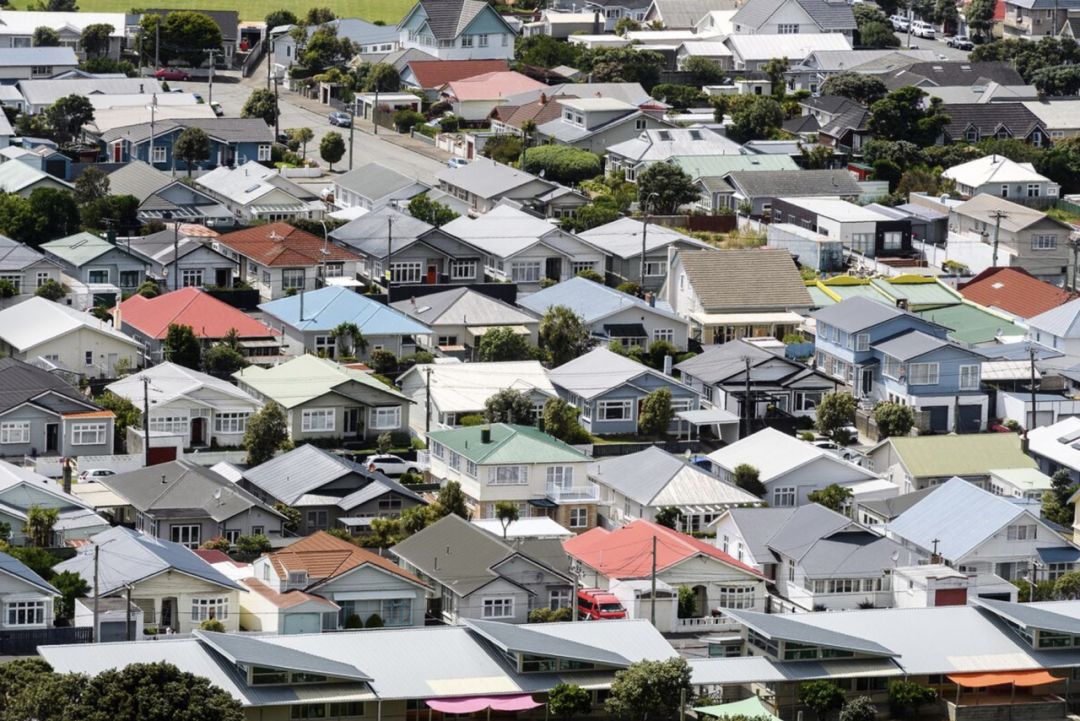
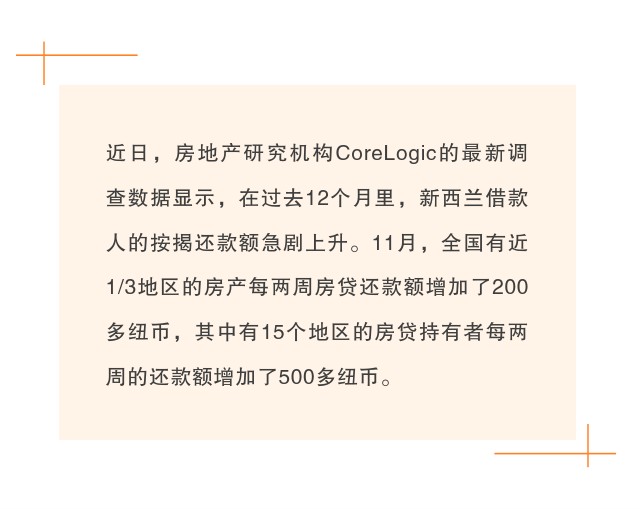 Even in neighbourhoods with more affordable housing, homebuyers face enormous repayment pressure from high interest rates. In Otara, South Auckland, for example, borrowers’ fortnightly mortgage repayments have risen by NZ$168 year on year to NZ$1916. These figures highlight the considerable challenges facing first-home buyers: even with average residential property prices nationwide down 13.2%, borrowers still face a difficult repayment situation.
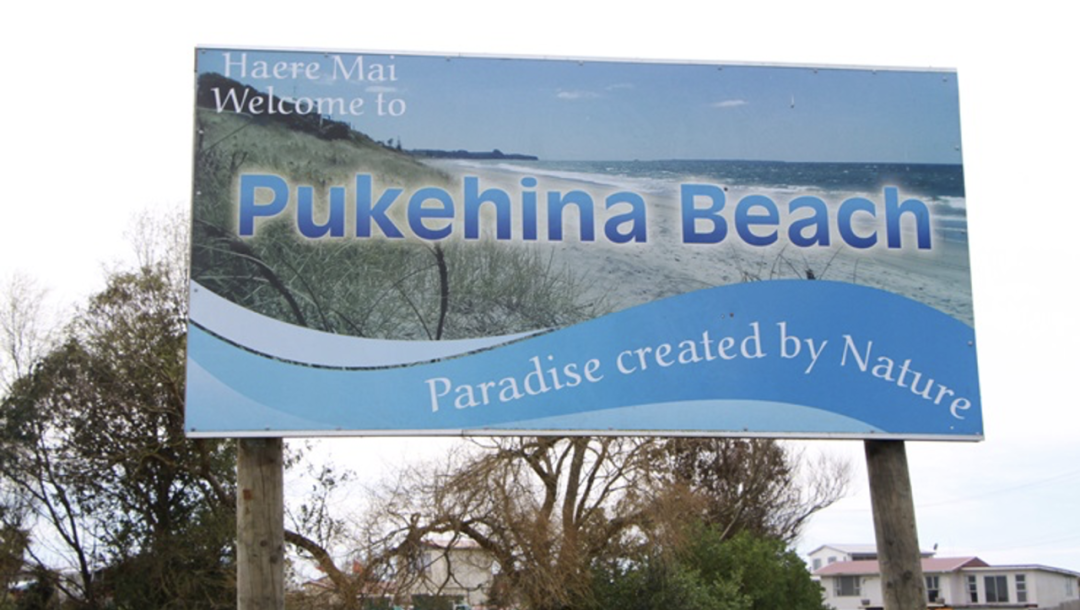 Recent homebuyers in Pukehina, a small town in the western Bay of Plenty, are paying NZ$750 more in fortnightly mortgage repayments than those who bought a year ago
Of the 932 neighbourhoods nationwide covered by CoreLogic’s data, 876 recorded falling house prices while buyers still faced higher mortgage interest payments. Repayments fell in only three areas: Bluff Hill, Marton and Featherston. Measured in both dollar and percentage terms, many areas with the largest repayment increases also saw house prices rise against the wider trend. Pukehina, a popular coastal town in the western Bay of Plenty, recorded the largest jump in fortnightly repayments, from NZ$2279 to NZ$3028. That increase of 32% means homeowners must pay an additional NZ$19474 each year, reflecting a 13% year-on-year rise in the town’s median property price.
Karoro recorded the second-largest increase in mortgage repayments. Its median house price was just over NZ$500,000, up NZ$42,000 from a year earlier. In this area south of Greymouth on the West Coast, fortnightly repayments surged by 27% (NZ$277). So how are things looking in New Zealand’s most expensive city for housing? Buyers in Auckland’s Parnell are paying NZ$600 more each fortnight than a year ago, despite the area’s median house price falling by NZ$50,000 over the same period. In neighbouring Ponsonby, fortnightly mortgage repayments jumped by NZ$462, despite an even larger fall in the median house price of NZ$180,000.
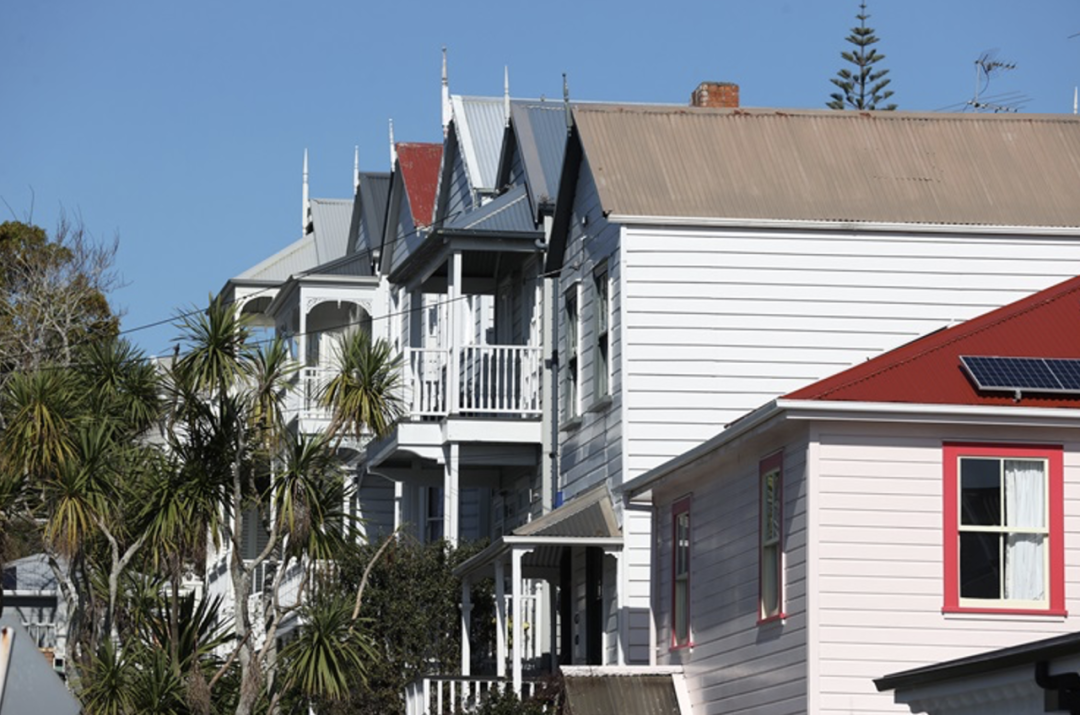 Borrowers in Auckland’s Ponsonby are paying NZ$462 more in fortnightly mortgage repayments than at the same time last year
CoreLogic chief economist Kelvin Davidson said the findings showed that interest rates had continued to rise while prospective buyers waited for house prices to fall. Some might assume that those who bought at the market peak a year ago had lost out, without realising that buyers a year later would actually face higher mortgage repayments.
Davidson also stressed that borrowers need not dwell too much on this issue. Taking a longer-term view, today’s buyers are borrowing a smaller proportion of the purchase price. High interest rates mean they must pay more on their mortgages now, but rates will certainly fall at some point, easing repayment pressure.
He said that if buyers could afford to purchase now, it was worth acting sooner rather than later. Although they might pay more interest, continuing to wait could mean missing out on a home they liked. Across the country, 179 neighbourhoods have already seen increases in mortgage repayments outweigh the savings from falling house prices. For example, in early November, the median house price in Northcross on Auckland’s North Shore was NZ$1,330,000, down NZ$33,000 from 12 months earlier. Yet fortnightly mortgage repayments increased by NZ$410, offsetting the benefit of a smaller deposit requirement. This is happening in other cities too. Buyers in Moncks Bay in Christchurch, Harrowfield in Hamilton and Kingston in Wellington have been similarly affected.
Campbell Hastie, a mortgage adviser at Hastie Mortgage, agreed. He said first-home buyers were still successfully obtaining mortgages, even though mortgage rates had tripled over the past few years. In Auckland, for example, almost all first-home buyers were from dual-income households earning NZ$70,000–80,000 a year. As long as they had a stable income, had saved a sufficient deposit and had sound spending habits, they could readily obtain the bank lending they needed. However, he believed Kāinga Ora’s low-deposit home ownership policy for first-home buyers did not work in Auckland. The first-home loan scheme, which allows a minimum deposit of 5%, applied only to lower-priced properties and was not practical in a high-priced market such as Auckland.
Gareth Veale of mortgage company EasyStreet said he had observed the same phenomenon in Christchurch: buyers faced higher mortgage repayments despite lower property prices. He cited a young couple who had spent the past 9 months trying to find a home they liked. They had made offers on six different properties, none of which had been accepted, leaving them to watch mortgage rates keep rising. Veale explained that although Christchurch house prices were currently at their lowest point, very few properties were available for sale. The couple had originally planned to borrow NZ$500,000. Over the past 9 months, rising interest rates had increased their weekly mortgage costs by about NZ$60, while their latest offer was NZ$30,000 above their budget.
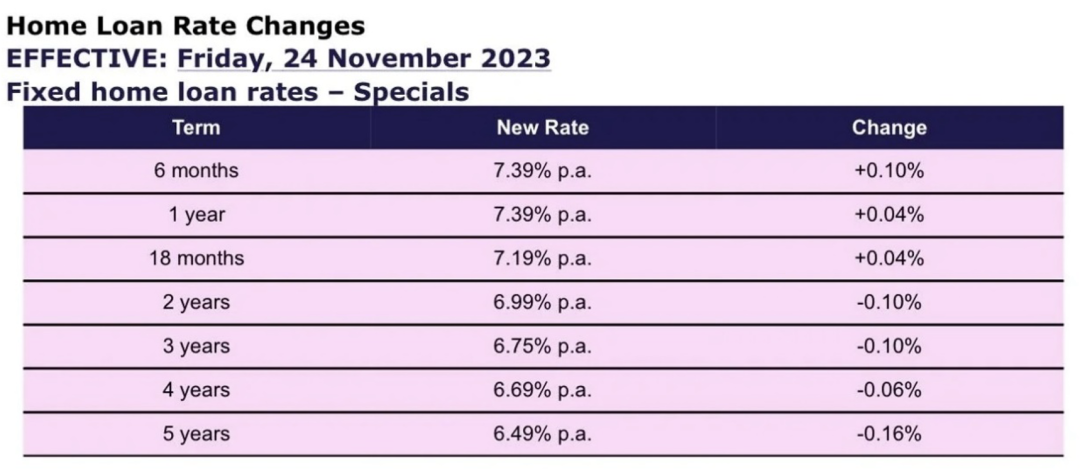
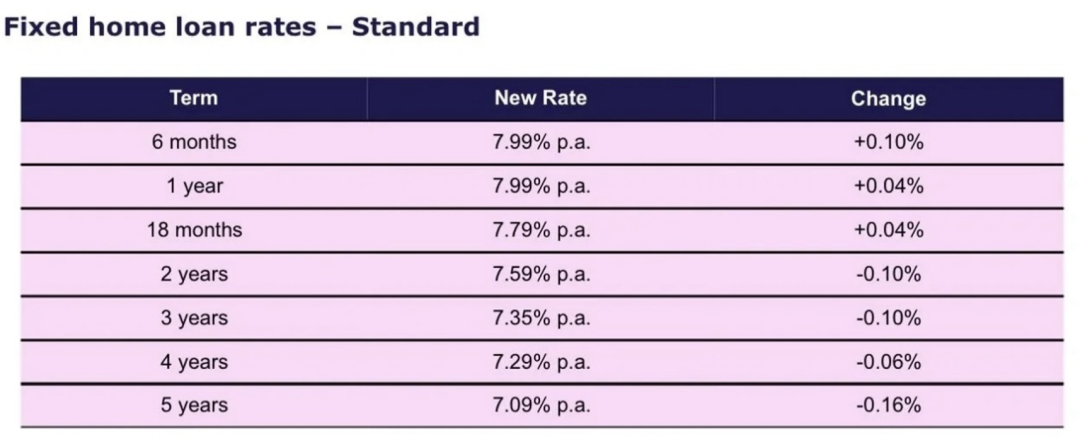

Last Friday, Westpac increased its short- to medium-term fixed mortgage rates for terms from June to 18 months by varying amounts. The standard 6-month fixed rate rose to 7.99% (with the special rate rising to 7.39%). Standard rates for 1 year and 18 months rose to 7.99% and 7.79% respectively (with special rates rising to 7.39% and 7.19% respectively). Notably, fixed rates for terms of two to 5 years fell by varying amounts.
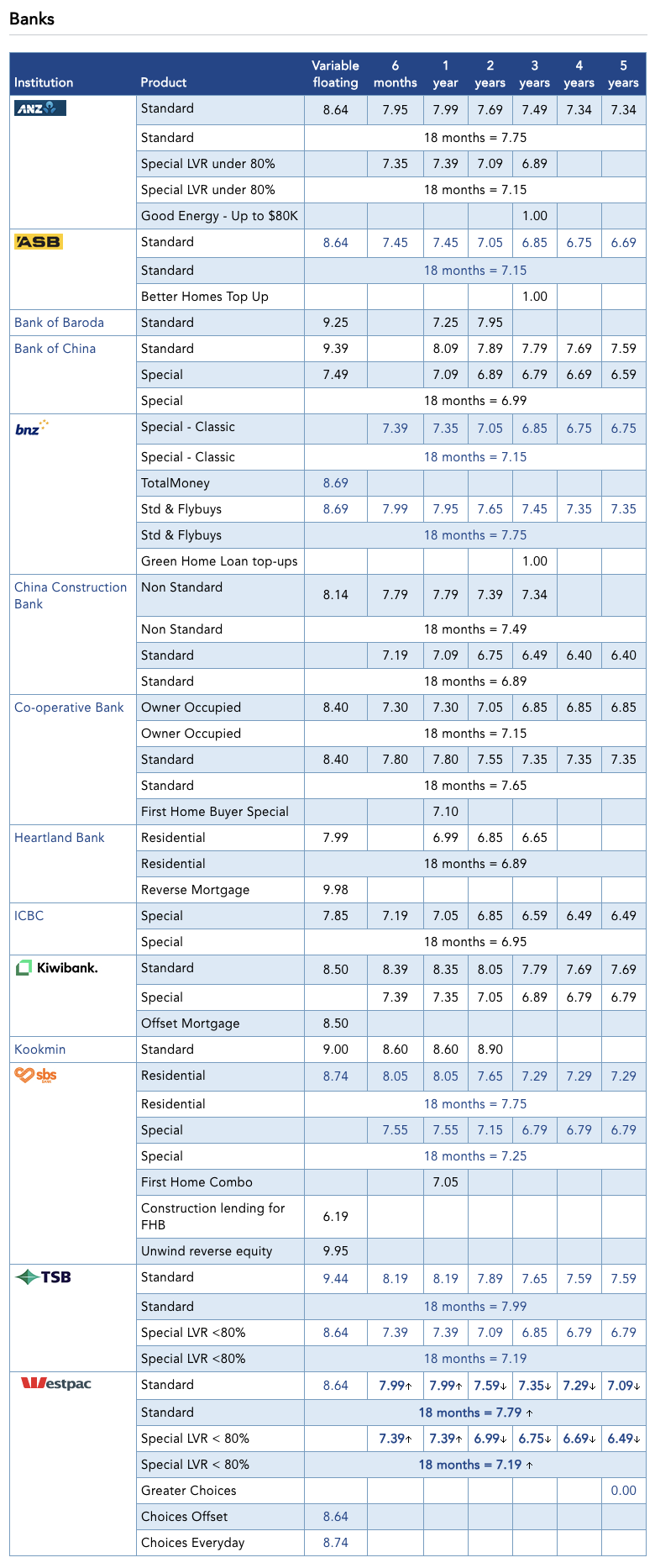 Source: interest.co.nz/borrowing
Tomorrow, the Reserve Bank of New Zealand will hold its final Monetary Policy Statement meeting of the year. Stay tuned to YIJU New Zealand for the latest reporting on mortgage rate trends.