
Are these buyers feeling the strain? Homes bought two years ago have lost NZ$44,000 in value, with forty thousand dollars in annual mortgage interest to pay
Data shows New Zealand house prices have been trending down since peaking in late 2021. Yet this does not appear to have dampened some first-home buyers' enthusiasm: 16324 buyers were still purchasing their first home in the second half of 2021.

|
CoreLogic chief property economist Kelvin Davidson says the median price paid by first-home buyers in October 2021 was NZ$692,000. Those properties have since lost around 6.5% of their value, with the median falling by NZ$44,000 to NZ$648,000. Davidson then considers a further scenario: suppose they bought the property in 2021 with a 20% deposit, a 30-year loan term and the special two-year fixed mortgage rate of 3.7% available at the time. Their loan would have been around NZ$554,000, with monthly interest repayments of NZ$2548. Total repayments over the past two years would have been NZ$61555, of which around NZ$41000 would have been mortgage interest.
Informetrics chief executive Brad Olsen says that although the proportion of mortgage borrowers whose financial difficulties ultimately lead to a mortgagee sale is currently very low, he has heard recurring reports of borrowers voluntarily deciding to sell, even at a loss, because they cannot afford their mortgage payments. He also notes that CoreLogic's research shows only a small proportion of sellers receive less than they originally paid for their property.
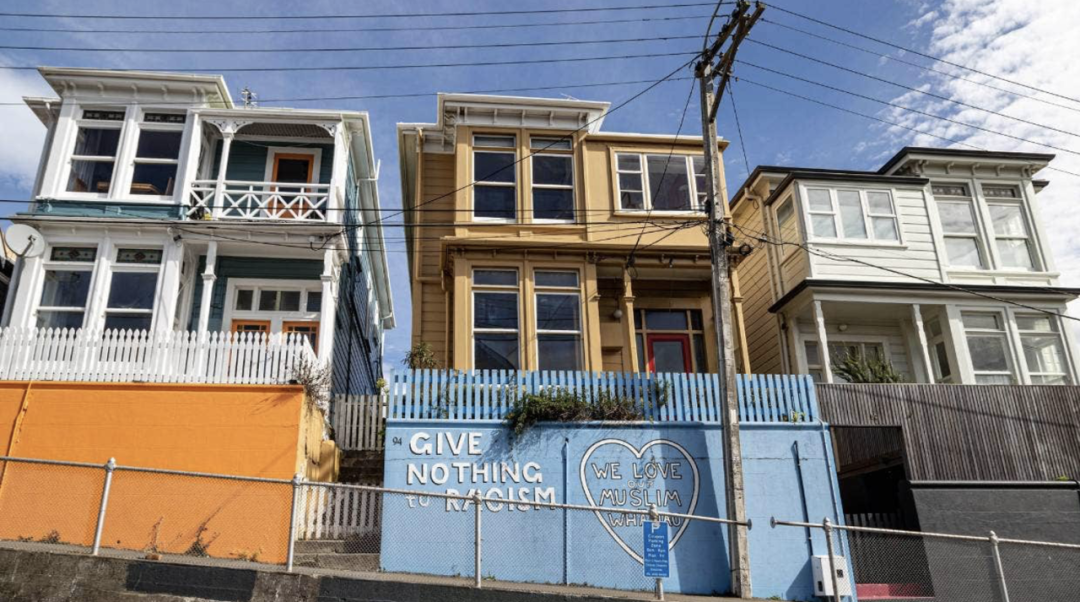 House prices in the Wellington region have fallen sharply in recent years
He also agrees with the Reserve Bank of New Zealand's forecast that house prices will not return to their previous peak until 2026. Olsen believes there is still a long way to go before prices fully recover to their late-2021 high. Recent house price growth figures bear this out: the market remains subdued, with no particularly strong upward momentum. Davidson also says homeowners in negative equity should remember that house prices will certainly rise again, and that any loss remains on paper as long as they do not sell. Fellow Infometrics economist Gareth Kiernan believes the new National-led government's removal of restrictions on interest deductibility will bring more investors into the property market. The policy is also expected to encourage investors to hold property for the long term, even when interest rates fall again.

Property investor Greame Fowler has expressed concern, noting that tens of thousands of property owners now hold properties worth less than they paid for them. This means that, in some circumstances, they could fall into, or may already be in, negative equity, where their outstanding debt exceeds the value of their property. He believes that if these borrowers have loan terms of 20 or 25 years and are struggling with rising mortgage rates, they may be able to strengthen their ability to withstand repayment pressures by extending their loan terms or finding other sources of income.

Looking ahead, first-home buyers considering an owner-occupied home and investors considering an investment property need to be aware of the risks involved. Neither house prices nor interest rates can rise or fall forever. Focusing solely on buying a home 'easily' with a 20-year mortgage and a deposit of 20% to 30%, without considering interest-rate and repayment risks, could expose buyers to serious financial risk.
Fowler advises that when buying a home, particularly during periods of low interest rates, buyers need to consider how much mortgage debt they can afford. Most people do not have an answer themselves, so they ask the bank how much they can borrow based on their income, expenses and savings. In other words, people often choose to borrow the maximum available because a larger budget lets them buy a better home. That raises a question: why do so many buyers choose to take out the largest possible loan to buy a house? If a bank or lender tells you that your income and savings are sufficient to buy an expensive home, should you nevertheless consider lowering your spending expectations and buying a more affordable home instead?