
When will interest rates finally fall?! Do you agree with these predictions for 2024?
In this article, we take a closer look at current economic conditions and market trends, exploring the factors that could influence future house prices.

As time goes on, interest in the future of the property market continues to grow. Particularly after National came to power following the 2023 general election, bringing a series of positive developments for the housing market, the outlook for house prices in 2024 has become a leading concern for many investors. In this article, we take a closer look at current economic conditions and market trends, exploring the factors that could influence future house prices.
 Building consent approvals peaked in February 2022, when 4200 consents were issued, before declining month by month. Monthly approvals have now fallen to around 3000, and this downward trend is likely to continue alongside falling house prices and continued increases in construction costs.
Many developers paid substantial sums to accumulate land a few years ago when house prices were high. If they decide to develop it now, they will struggle to make a profit. Many will therefore consider delaying construction while they wait for house prices to rise.
 What is certain is that property prices across most of New Zealand have now bottomed out. Forecasts from various sources suggest house prices will rise by 2–4% next year. This rebound may not be particularly satisfying, but if the trend continues through to the end of next year's first quarter, more New Zealanders will revise their earlier views and become more confident about the housing market's future.
 By the second quarter of next year, National's proposed measures to stimulate the housing market, including lower property taxes, will begin to be phased in. The bright-line test period also has a good chance of being shortened from 10 years to two years. Once these measures take effect next April, they are expected to further support the stable development of New Zealand's housing market.

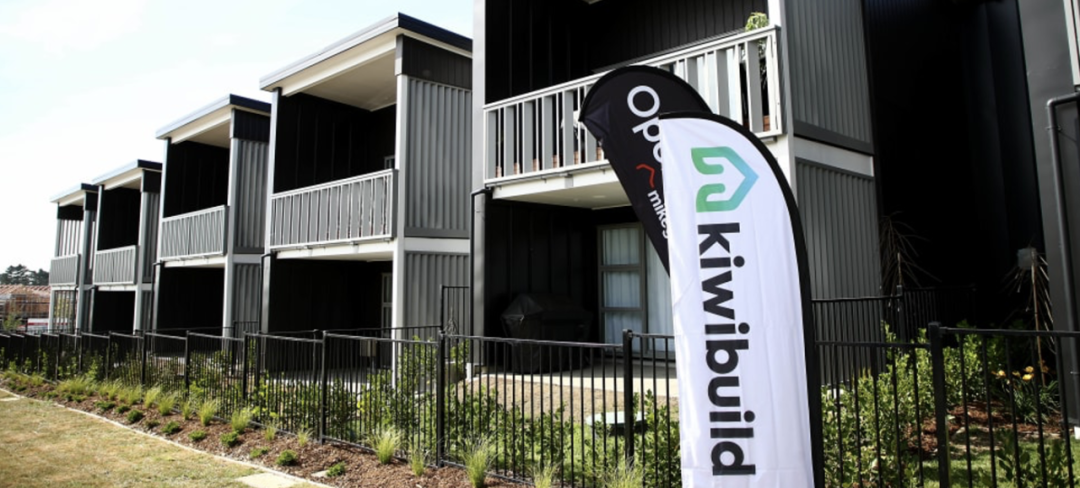
The newly elected National government has announced plans to scrap KiwiBuild. It hopes to use this investment to incentivise councils to approve more applications for new buildings. Although this may have little effect on building consent approvals in 2024, it could well support a full recovery in the construction industry in 2025 and even 2026.


Although inflation has fallen considerably from its peak of 7.3%, it remains high at 5.6%. Given the Reserve Bank of New Zealand's recent hawkish statements and determination to tackle high inflation, a substantial decline in inflation is expected by the end of next year's second quarter. Many commercial banks forecast that inflation will fall to between 2.5% and 4% in July next year. This broadly aligns with the Reserve Bank's latest forecast, released last month, which projects inflation returning below 3% in the third quarter of 2024.
 There is no denying that New Zealand's population is growing rapidly. Over the past year, net migration has increased by 118,800 people. These people need somewhere to live, placing unprecedented upward pressure on rents. Rent increases are expected to exceed 5% next year.
A wave of rent increases is on the way. Are landlords ready? Take a look at how professional property management can help safeguard rental properties!

Some economists predict that Reserve Bank of New Zealand Governor Adrian Orr will introduce debt-to-income (DTI) rules in September next year. These will make mortgages harder to obtain for existing rental properties, while new builds will be exempt from the new rules. Clearly, the Reserve Bank of New Zealand wants to use this opportunity to steer property investors towards new builds again, increasing the supply of housing.
 Many economists expect interest rates to be much lower than they are now by the end of next year. Rates could, of course, fall earlier. With wholesale interest rates trending down, we may well see interest rates fall next October. This means banks' costs of funding mortgage lending will be lower. By the end of next year, the one-year rate is expected to fall back to 6%.

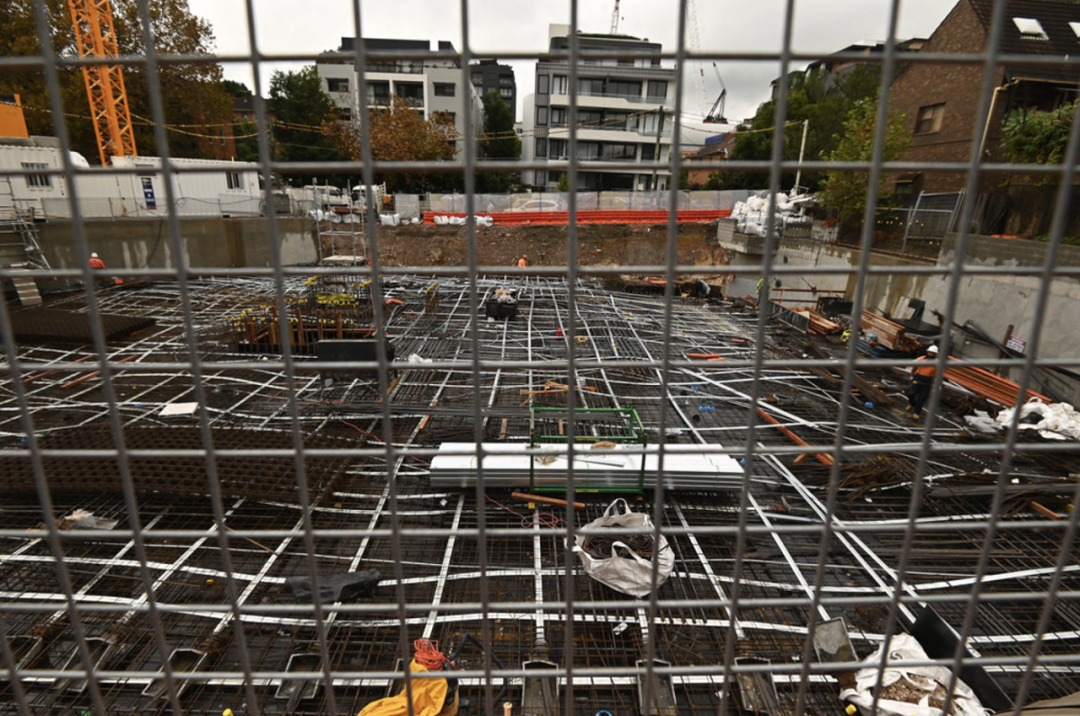
This is the subject we are most reluctant to discuss, but it is one the construction industry can never avoid. The property market was sluggish in 2023, but this did not have a major impact on developers' bank accounts. They sold large numbers of homes off the plans in 2021 and completed construction over the past two years. Developers receive payment only after settlement, so money has continued to come in despite poor sales this year. Unfortunately, the impact of this market downturn will eventually be felt. In a high-interest-rate environment, developers and builders may face bankruptcy if they cannot successfully complete and settle their properties.
|