
Is it better to buy or rent? What can tenants do when landlords demand steep rent increases?
In this article, we explore effective ways to respond when your landlord raises the rent.

|
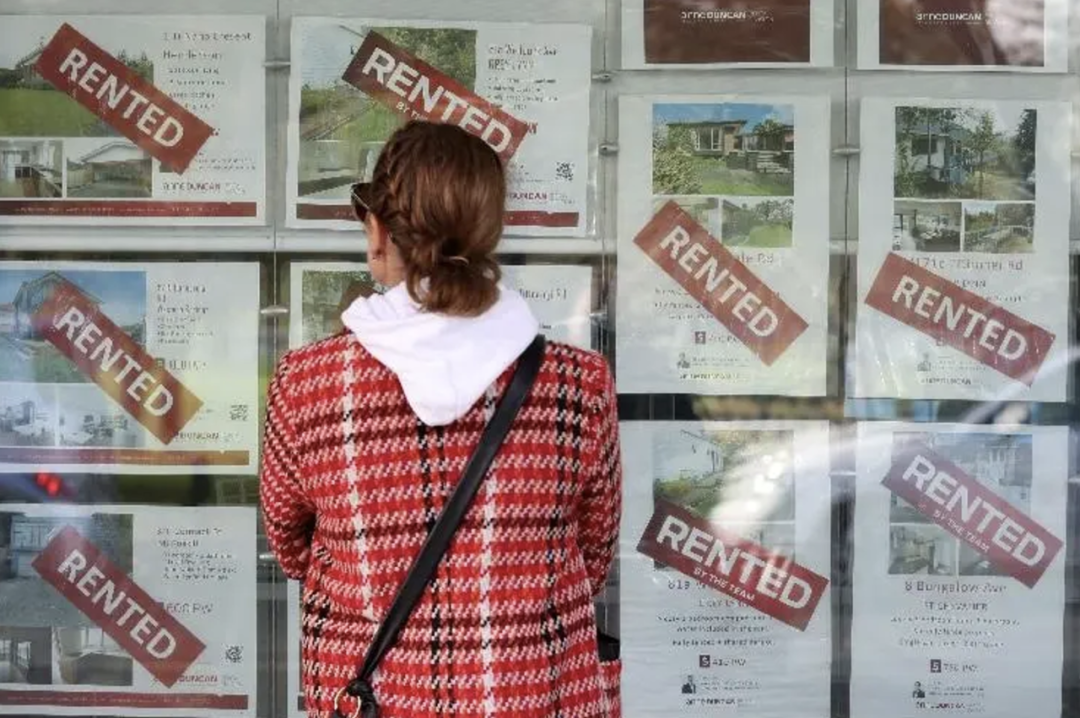 Tenants currently face the twin pressures of rapidly rising rents and a shortage of rental properties
A survey report released recently by BNZ found that much higher than expected net migration into New Zealand was among the biggest drivers of soaring rents in the country's main centres. According to figures released by Stats NZ last year, annual rent inflation for new tenancies rose from 4.1% in July last year to 6.2% in August, and continued to show upward momentum.

 BNZ chief economist Mike Jones
 found in his analysis that in the current environment, the mortgage costs of owning a home remain higher than the cost of renting, but renting is not the most cost-effective option over the long term。He explained that, firstly, inflation tends to erode borrowers' debt over time, while rental outgoings tend to rise with inflation. More importantly, house price movements will ultimately become a key factor in fluctuations in the inflation rate, as measured by the CPI.
 Rental markets in New Zealand's main centres are under considerable pressure. Some believe this is largely a rental supply issue. However, Queenstown-based economist Benje Patterson said that although the number of properties available to rent falls sharply during periods of rapid population growth, there are actually enough homes for everyone. The issue is that rent levels determine how those homes are used.
This is particularly evident in Queenstown, the city with the country's most expensive housing. OneRoof previously reported that a shortage of affordable rental accommodation had forced many visitors to sleep in their cars while travelling.

Experts caution that although dwindling rental availability and rising rents are putting tenants under considerable pressure, this does not mean landlords can raise rents however they please. Under the Residential Tenancies Act, landlords can generally raise the rent only once every 12 months。
Angela Maynard of the Auckland Tenants Protection Association said most landlords do comply with these rules, including giving tenants at least 60 days' written notice of a rent increase, rather than notifying them by text message. If a landlord breaches the rules, tenants can refuse the rent increase or take the matter to the Tenancy Tribunal. Maynard advised all tenants facing difficulties to read the Residential Tenancies Act carefully, along with Tenancy Services' Renting and You (click here to view the link) tenancy guide.

 Last year, Queenstown residents took to the streets to draw attention to the city's rental shortage
Andrew Nicol, managing director of property management company Opes Partners, said landlords cannot raise rents arbitrarily: the Residential Tenancies Act requires rent increases to remain in line with market rates. He advised landlords to make small annual rent increases rather than imposing a large increase after several years.
When a rent increase takes the rent above market rates, tenants can apply to the Tenancy Tribunal for a rent reduction. Tenants challenging an increase on the grounds that it exceeds general market levels must apply to the tribunal within three months of the tenancy's most recent rent review. Nicol also stressed that there may be exceptions to the rent increase rules. For example, if unexpected expenses have arisen since the last increase, a landlord can apply to the tribunal to raise the rent within 12 months. Boarding house landlords, meanwhile, need only give 28 days' written notice of a rent increase. Tenants who receive notice of an excessive rent increase, or one that would cause them severe hardship, also have the right to apply to the tribunal to end a fixed-term tenancy early.

If tenants believe their landlord has breached the rent increase rules, their first step should be to discuss it with the landlord. They can also seek help from Tenancy Services. If tenants refuse a reasonable rent increase, landlords can likewise apply to the Tenancy Tribunal to have it enforced.
Maynard said that when people seek her help, she first asks whether the tenancy facing a rent increase is fixed-term or periodic. They often find that an increase is invalid under certain circumstances. For example, a landlord may propose an increase at the start of a new year despite having already raised the rent the previous year, or may have failed to give the full 60 days' notice. She said frankly that some landlords do try to circumvent the law and deceive tenants, but most have legitimate reasons for raising the rent。
Admittedly, whether to raise the rent is also a dilemma for landlords。On the one hand, with mortgage interest rates currently high, they need more rental income to make ends meet. On the other, they must carefully weigh up whether a few dozen dollars more in weekly rent is worth the risk of losing good tenants.