
Experts say Auckland's future house price growth will be unsustainable? Hold on! A wave of positive market news is emerging
New Zealand has slipped in international house price rankings, and Auckland's future upward price trend will be unsustainable. According to property consultancy Knight Frank, annual house price growth across the international cities it tracks rose from 1.6% in the previous quarter to 2.3% in the third quarter of last year.
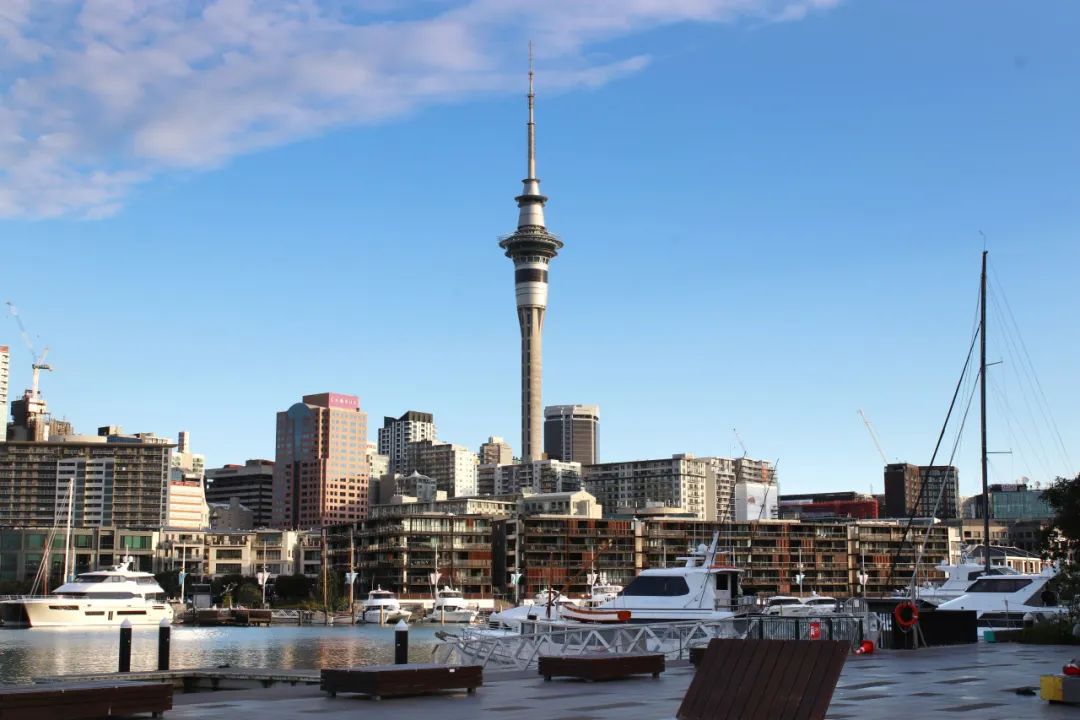
Auckland's house price fluctuations in recent years have been plain to see. Some professionals warn that New Zealand has slipped in international house price rankings, and Auckland's future upward price trend will be unsustainable。According to property consultancy Knight Frank, annual house price growth across the international cities it tracks rose from 1.6% in the previous quarter to 2.3% in the third quarter of last year.
Knight Frank's head of research, Liam Bailey, said the property market outlook was steadily deteriorating at this time last year, but conditions had now changed. He believes inflation is slowing rapidly in the world's major economies, with interest rate cuts potentially arriving as early as the second quarter. Unlike this time last year, mainstream property markets are unlikely to weaken again unless a new crisis emerges.
Among the world's major cities, those in Türkiye recorded the fastest house price growth. Prices in Ankara rose 102.7% year on year, while Istanbul recorded growth of 77.6%. Dubai ranked third, followed by Zagreb and Athens in fourth and fifth place respectively. European cities ranked lower by comparison, with Stockholm, Bratislava and Frankfurt all recording double-digit annual price falls. Auckland was the only New Zealand city included, ranking 84 out of 107 cities worldwide. Its house prices rose 3.3% in the third quarter of last year but fell 2.9% over the preceding 12 months.
Will Auckland's future upward house price trend really be unsustainable?
Infometrics chief executive Brad Olsen disagrees. He said New Zealand was experiencing its fastest population growth since the 50s of the 20th century, with growth concentrated in Auckland and surrounding areas. Given this, Auckland's house prices were likely to rise faster than those elsewhere in the world. Once interest rates began falling, prices could rise much faster than we might imagine.
However, given current mortgage repayment costs, he was also cautious about the prospect of rapid house price growth. Bailey shares this view. He believes that although global interest rates are expected to fall this year, borrowing costs will settle at levels above those seen before the pandemic. This means the timing and scale of rate cuts will determine the direction of the property market this year。
Residential construction cost inflation to reach a 7-year low?
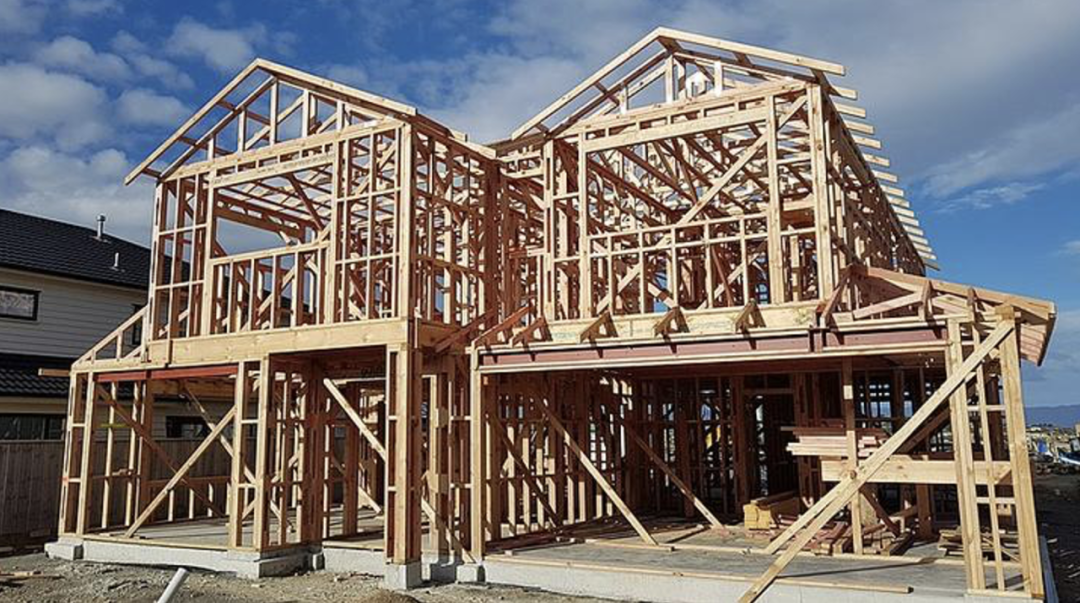
As supply chain and capacity pressures in residential construction ease, annual construction cost inflation has fallen to its lowest level in nearly 7 years. CoreLogic's latest Cordell Construction Cost Index (CCCI) recorded an increase of 0.8% in the fourth quarter of 2023. Although slightly above the increases of 0.4%–0.6% recorded in the first three quarters of last year, this remained below the long-term average of 1.1%. Costs rose 2.4% over the full year, well below the 10-year average of 4.5%. This was the lowest annual increase since the third quarter of 2016, when it was 2.2%, and the second-lowest annual increase since records began in the fourth quarter of 2013.
CoreLogic chief property economist Kelvin Davidson said current market conditions indicated that overall capacity pressures in residential construction had eased compared with the peak at the end of 2022. The figures show that building material supply chains are recovering further, timber prices are stabilising, and prices for steel and other metal products have even fallen slightly。Meanwhile, prices for general hardware products have risen slightly, mainly reflecting imported products. The H1 insulation standards may also put some upward pressure on prices.
Looking ahead to 2024, Davidson said construction cost growth could remain subdued。The surge in net migration will also help restrain wage growth among construction workers. Given that wages account for 40%–50% of the total cost of a new build, excluding land, this will significantly limit overall construction cost increases.
He also highlighted that declining applications for new residential building consents suggested weakness in the industry could persist for some time. Encouragingly, the government has introduced several incentives to stimulate demand for new homes, such as lower deposit requirements alongside low loan interest rates. These measures have given developers some confidence to continue progressing new projects。He acknowledged that, over the long term, this additional housing supply was exactly what was needed to help keep overall housing affordability in check.
Are you optimistic about the future of Auckland's property market? Leave a comment and join the discussion.