
Property investors, take note! Property investors, take note! The 2024 housing market forecast: steady growth or turbulence?
The property market in 2023 was full of twists and turns. Factors causing direct or indirect disruption emerged repeatedly, leaving many investors and prospective buyers waiting on the sidelines feeling anxious.




Over the past year, the Reserve Bank of New Zealand raised the Official Cash Rate (OCR) 4 times to its current level of 5.5%, the highest since 2008. These moves aimed to use a high OCR to curb excessive inflation and restore consumers’ diminished purchasing power. For property investors, an OCR increase means commercial banks such as ANZ and Westpac also raise lending rates. This makes mortgages harder for many buyers to afford, reduces housing demand and makes a house price recovery more difficult.
However, a high OCR does not necessarily determine the market’s direction indefinitely. As the chart below shows, house prices did gradually fall alongside interest rate increases in the first half of 2023. Prices reached their lowest point in July 2023, shortly after the Reserve Bank first raised the OCR to 5.5%. In the second half of the year, however, the market—or at least some segments—gradually recovered, even though the OCR remained high without any cuts.
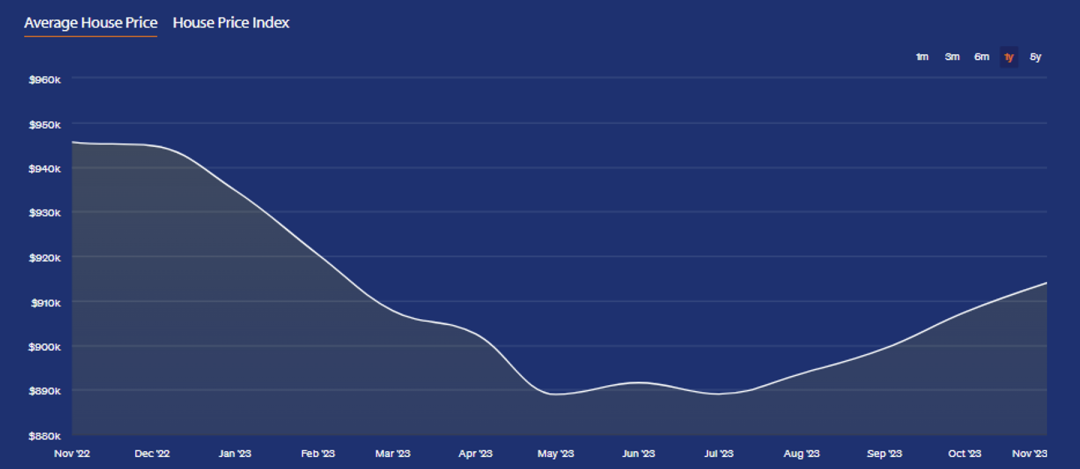 Average New Zealand house price trends. Source: QV House Price Index
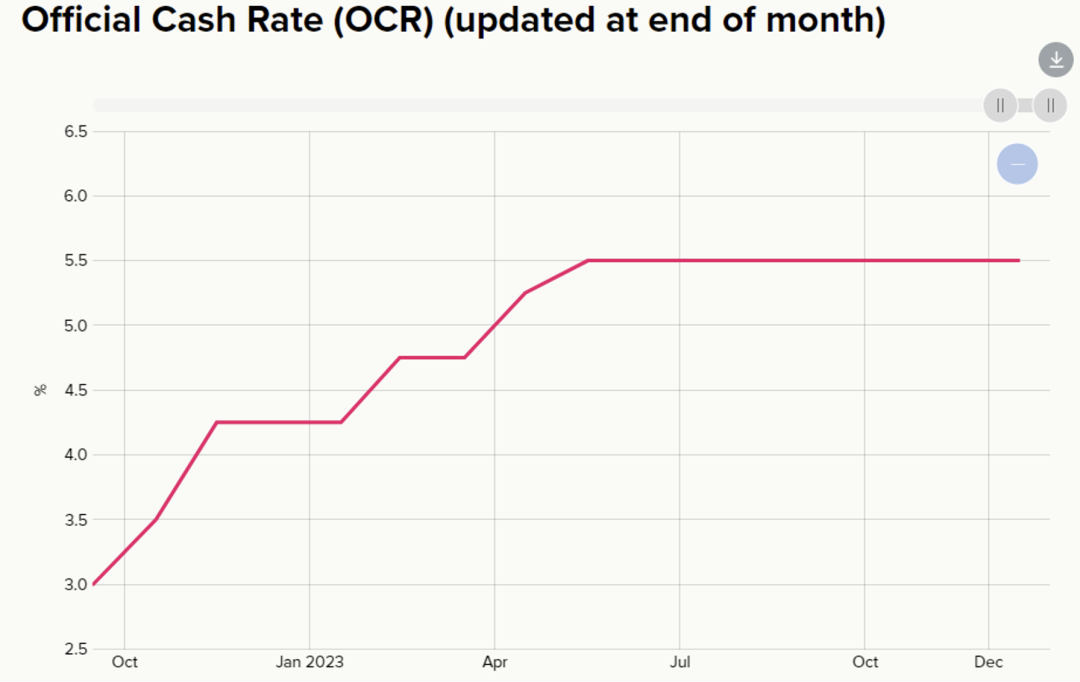 OCR trends. Source: Reserve Bank of New Zealand
The market recovery at the end of 2023 is also reflected in Barfoot & Thompson’s newly released December housing market update. Its figures show Auckland’s median house price rose 3.9% in the final quarter of 2023, with sales well above the corresponding period in 2022. The pattern resembled trading activity before the sharp surges in 2020 and 2021.
Prices and sales volumes in December maintained the strong growth seen since August. The median house price was NZ$1,045,000, its highest in 12 months and 9.5% above the annual low recorded in July. It was also 2.7% higher than the median in November.
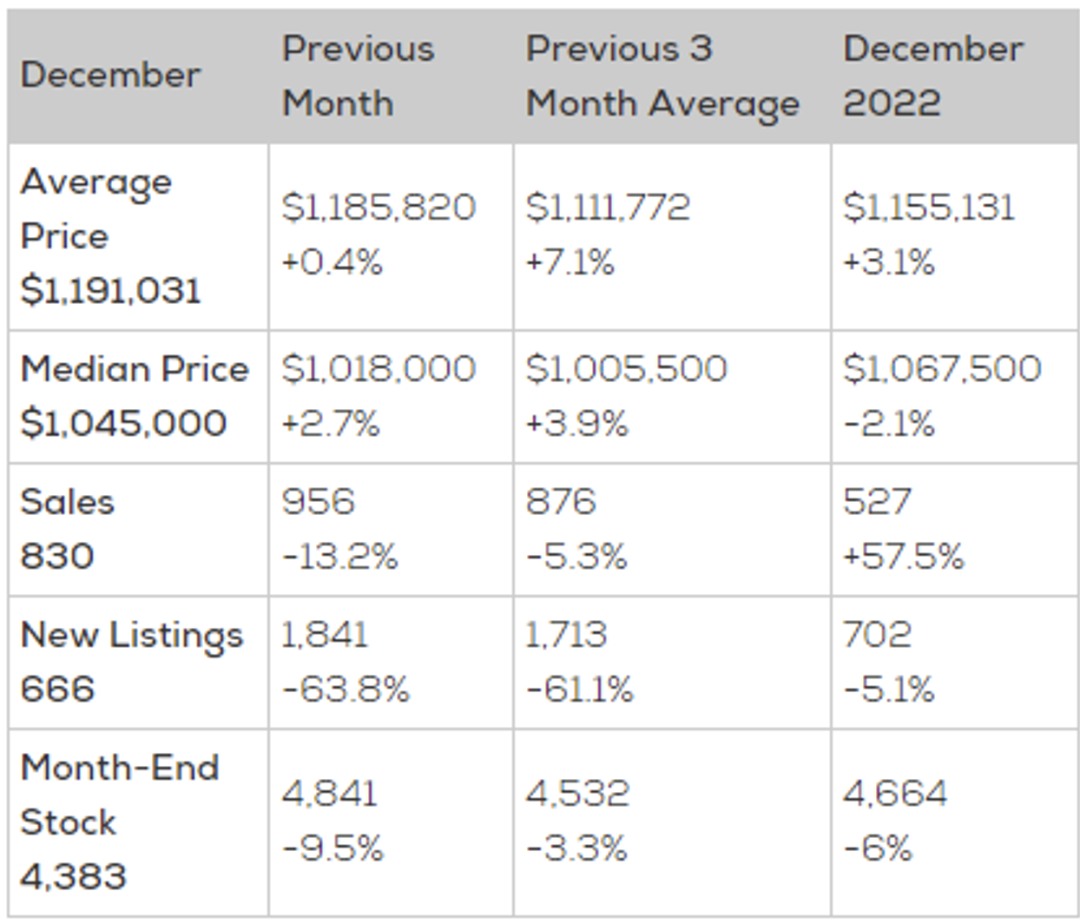 Barfoot & Thompson December 2023 Housing Market Update
This shows that positive signs had already emerged by the end of 2023, and that this trend will continue into 2024.
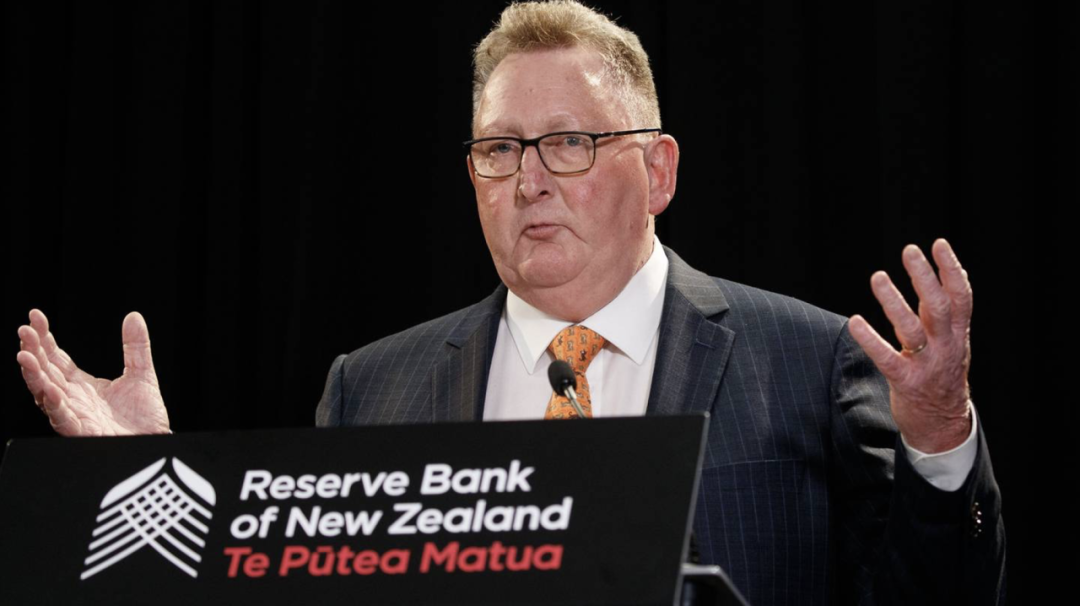
In an article published on 4 January, the NZ Herald noted: Inflation has now been brought under control and is falling faster than expected. The OCR could therefore be cut this year, improving buyers’ ability to service their mortgages and increasing housing demand, potentially helping the market recover. Some commercial banks have already moved to lower lending rates, attracting greater attention from borrowers.
The government has also removed the Reserve Bank’s mandate to maintain maximum sustainable employment, giving it greater freedom to adjust the OCR. The next OCR decision will be announced on 28 February this year. Let us wait and see.

Migration rose dramatically over the past year, with annual net migration soaring from just 64 people the previous year to nearly 130,000.
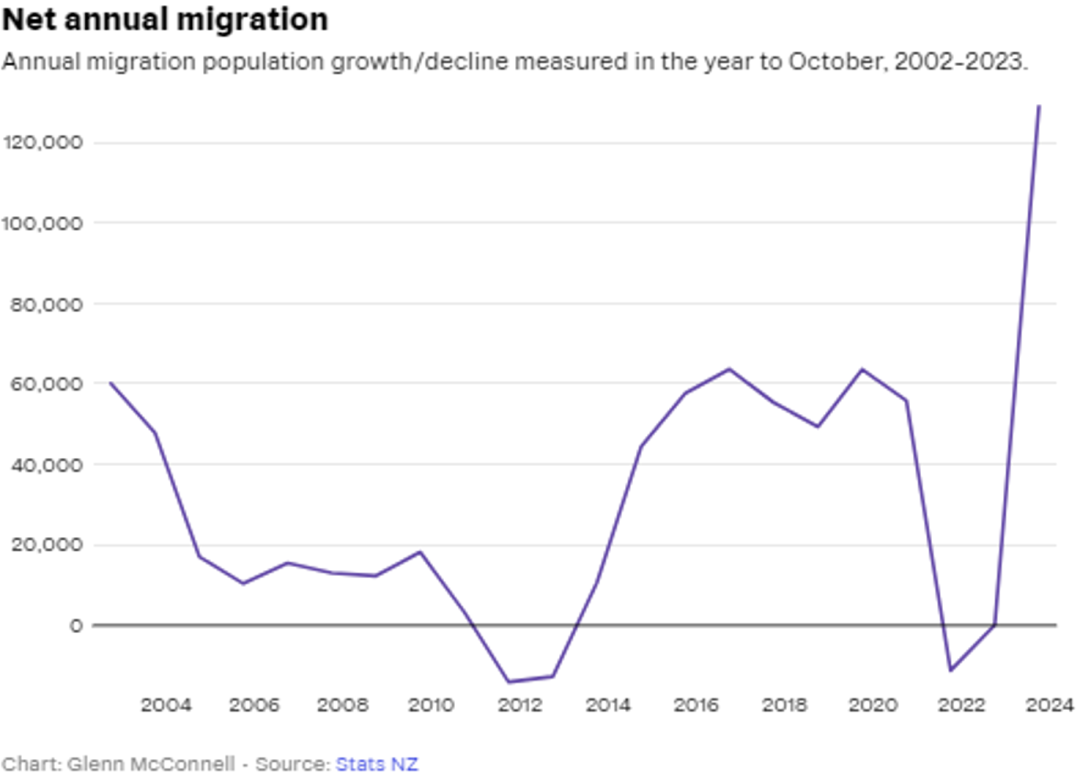
The new government has yet to announce a clear overall direction for immigration policy, so we cannot yet predict whether the migration surge will continue this year. However, the past year’s influx has already increased activity in the rental market, lowered vacancy rates and accelerated rent rises. This has prompted some tenants to commit to buying their first home, while encouraging more landlords to rent out their properties for the returns available. Many investors will also seize the opportunity to enter the market, further intensifying demand for homes.
Buyers may be particularly cautious given the still-challenging economic conditions and interest rates. As Barfoot & Thompson managing director Peter Thompson said: “Although prices have risen substantially since August, the increases have been steady and gradual. Buyers are selective and price-sensitive. The consensus among market participants is that prices and sales volumes will continue to rise, but at a modest pace.”

Although many favourable factors will drive the market, we must also recognise the headwinds ahead:
CoreLogic predicts that mortgage rates are unlikely to fall significantly before 2025, as the economy’s capacity to cope remains limited. Meanwhile, unemployment has continued rising over the past year, and New Zealand’s economy as a whole has contracted. Given the state of the labour market, people will also be more cautious about entering the property market. Debt-to-income (DTI) restrictions, described as a powerful weapon against the housing market, are also likely to be introduced this year. These will limit investors’ ability to expand their portfolios, while having less impact on first-home buyers.

Taking these factors together, CoreLogic chief economist Kelvin Davidson says 2024 will be a year of “slow recovery for the property sector”. The value of property sales could rise by around 10%, but the low base means the actual increase would be very limited. Potential house price growth is around 5%.
ASB chief economist Nick Tuffley believes strong migration has turned the market around faster than many expected. Westpac chief economist Kelly Eckhold also says strong population growth could lift house prices by around 8%.
Overall, the turbulence and changes in New Zealand’s property market in 2023 remain fresh in the memory, while 2024 brings both anticipation and challenges. Buyers need to navigate market fluctuations carefully, keep up with policy changes and seize opportunities. If you need professional insights into buying or selling property, contact Barfoot & Thompson’s experienced sales specialists.
Barfoot & Thompson is the real estate agency that knows Auckland best
Barfoot & Thompson accounts for 1/3 of Auckland’s home sales,
far ahead of every other real estate agency.
