
Revealed: as the housing market gradually recovers, which Auckland suburbs are bouncing back fastest?
The latest research from property research firm Valocity shows that house prices have rebounded in many Auckland suburbs hardest hit by the housing downturn.

The latest research from property research firm Valocity shows that house prices have rebounded in many Auckland suburbs hardest hit by the housing downturn, raising hopes of a gradual return to their peaks of two years ago. So which Auckland suburbs are likely to recover fastest? In this article, we reveal the answers.
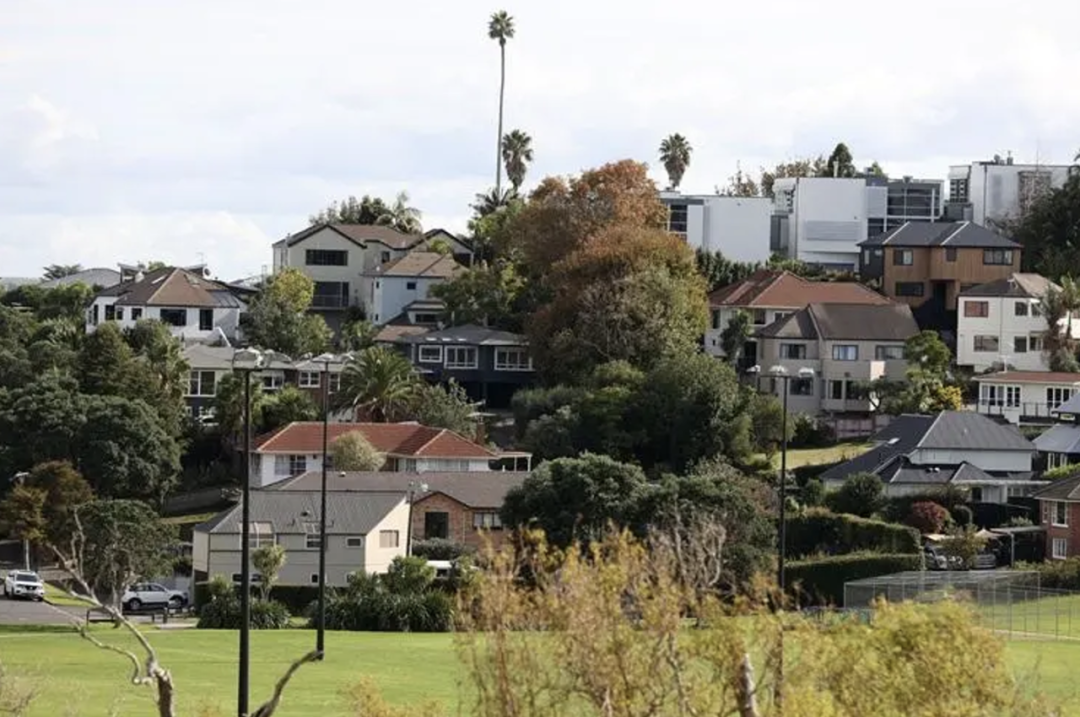 Among Auckland’s wealthiest suburbs, Glendowie recorded a cumulative house price decline of 20.7% during the market downturn.

The data shows that the housing downturn over the past year pushed Auckland’s average house price from a peak of NZ$1,578,000 in January 2022 to a low of NZ$1,278,000 in June 2023. Since then, the average has rebounded 3.5% to NZ$1,324,000, remaining 19% below its peak.
The research found that average house prices plunged by more than 20% in 99 Auckland suburbs. The hardest-hit suburb was Point England, where the average house price fell from NZ$1,460,000 in December 2021 to NZ$978,000 in August last year, a drop of 33% (NZ$482,000). Although prices there have rebounded 3.98% from their low to an average of NZ$1,017,000, they remain more than NZ$400,000 below their peak.
Other Auckland suburbs recording large house price declines included Ramarama in Franklin, where the average fell 28%; Wesley, down 27%; and Kelston in Waitakere, down 25.4%.
Several affluent suburbs also appeared on the list. These included Glendowie, down 20.7% from its peak average of NZ$2,730,000; Mellons Bay, down 22.7% from NZ$2,590,000; and Oneroa, down 20.8% from NZ$2,540,000.
| Most of the areas hardest hit by the housing downturn were, however, lower-priced suburbs. Rising mortgage rates and worsening inflation prompted many builders and developers to withdraw from the market, dealing a heavy blow to house prices in these areas. Yet the research also found that these lowest-priced and poorest suburbs could recover fastest in this cycle. |

Otara in South Auckland is a prime example, recording the strongest recovery since Auckland’s housing market reached its low point. Since bottoming out in June last year, Otara’s average house price has risen 10.7%, leaving it just NZ$160,400 (16%) below its peak. The suburb closest to its peak is in East Auckland: Highland Park, where house prices have surged 8.3% following a steep decline and are now just 13.4% below their peak. Currently, the three suburbs facing the toughest path back to their peaks are Point England (30.7% below peak), Ramarama (25.6% below) and Te Atatu Peninsula (23.2% below).
 Wayne Shum, senior research analyst at Valocity

Valocity senior research analyst Wayne Shum said the current rebound in house prices was small. He expected a return to the peaks of a few years ago to take time and did not believe every suburb would necessarily make a full recovery.
In Auckland, for example, suburbs where large numbers of properties were sold as development sites during the pandemic saw substantial price gains. When the market changed, demand diminished and prices fell. Shum believes lower-priced suburbs such as Point England, Kelston and Manurewa may take longer to return fully to their peaks because these properties are essentially still development sites, and most developers have yet to return to the market. A few developers have tried to resell sites, while others are holding on to their cash and waiting for the economy to recover further.
Falling house prices also give buyers more choice. Places such as Point England, in the city’s east, are further from the city centre and lack good transport connections, making it easy to lose buyers to more central suburbs such as Mt Wellington and Ellerslie, where lower prices now offer better value.
Shum also stressed that although the housing market had begun to recover, high interest rates meant affordability remained a major issue, both for first-home buyers and for those looking to buy more expensive properties. Affluent suburbs that recorded large price falls, such as Glendowie, Mellons Bay and Oneroa, tend to be home to buyers purchasing their second or third home. They would usually sell their first or second home to buy a more expensive property, but high interest rates have made this harder. With interest rates potentially falling this year, there is hope that more suburbs will see their housing markets recover over time.
 Tom Rawson
from Ray White Manukau , director and branch manager Tom Rawson said suburbs such as Otara and Highland Park had strong potential for house price recovery. When Otara’s prices began falling, they were at the top of an upswing, so they had further to fall than those in other suburbs. It was also consistently among the first suburbs to rise and fall.
This is because house prices in the suburb are highly volatile. Of its approximately 5000 homes, around 3500 belong to Kainga Ora, leaving a limited number available to trade. He said Otara was a popular, family-oriented suburb, with strong first-home buyer demand for the homes currently for sale, particularly renovated properties rather than new builds. Highland Park was similar, offering more affordable prices than Howick, Buckland Beach and Farm Cove.