
Confirmed! Reserve Bank holds OCR steady as government outlines major building sector changes: ‘We need more homes!’
After much anticipation, good news arrived from the Reserve Bank of New Zealand this afternoon!
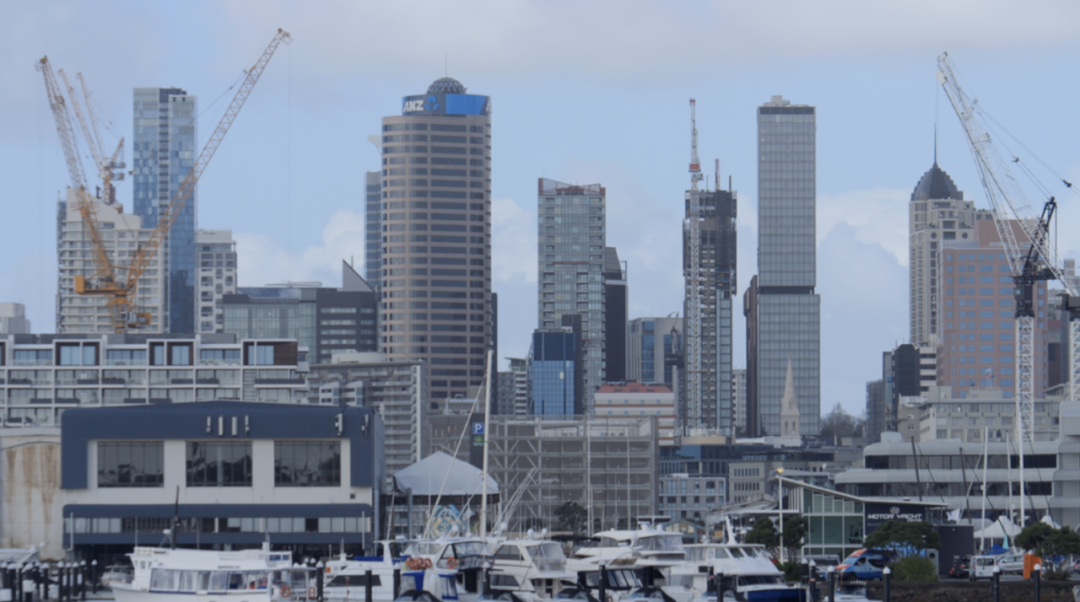

Reserve Bank Governor Adrian Orr announced that the official cash rate (OCR) would remain unchanged at 5.50%.
Meanwhile, the Governor’s hawkish stance appears to have softened slightly, with new forecasts suggesting the Reserve Bank could announce rate cuts earlier. Orr said in the Monetary Policy Statement that New Zealand’s economy had developed broadly in line with the Monetary Policy Committee’s expectations over the past year. Core inflation and most measures of inflation expectations had declined, and upside risks to the inflation outlook had eased. However, headline inflation remained above the target range of 1–3%, limiting the Reserve Bank Monetary Policy Committee’s ability to ‘tolerate upside inflation surprises’.
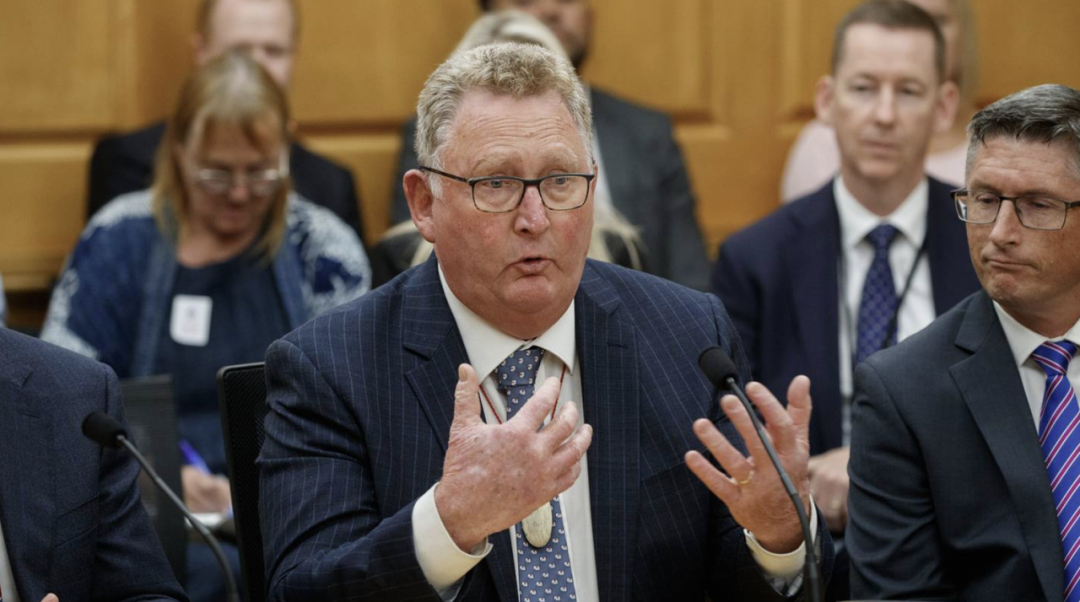 Reserve Bank of New Zealand Governor Adrian Orr
ASB Chief Economist Nick Tuffley said the report’s tone was less hawkish than before, with risks now more subdued than the upside risks identified in the November Monetary Policy Statement. Although the projected near-term OCR peak had been lowered to 5.60% from 5.69%, the longer-term outlook was largely unchanged. This meant there was still some chance of an OCR increase during the remainder of 2024, consistent with expectations of cuts beginning around the second quarter of 2025. He forecast that inflation would still return to the 1–3% target range in September 2024, reaching the 2% midpoint by the end of December 2025. The Reserve Bank of New Zealand could begin cutting the OCR in November this year.


The day before the Reserve Bank announced its latest monetary policy decision, newly appointed Housing Minister Chris Bishop said publicly in an interview with Checkpoint at a business conference in Wellington that National’s long-term goal was to keep house prices at 3–5 times annual household income. This target would substantially improve housing affordability across most of New Zealand.
 Housing Minister Chris Bishop
However, Bishop stressed that the aim was not to resolve the country’s housing affordability problem rapidly, because the prospect of a house price crash would cause ‘enormous economic and financial instability’. He said: ‘I want house price growth to moderate over time, so that in 10 to 20 years we can essentially make substantial progress on housing affordability.’
Bishop said achieving the goal would not be easy, as illustrated by government spending on helping first-home buyers secure housing. Every four years, it spent the equivalent of building 15 motorways, merely to maintain the status quo. Previous failures in housing reform had come at a high cost to the government, including emergency rental assistance for residents, transitional housing costs and help with deposits.
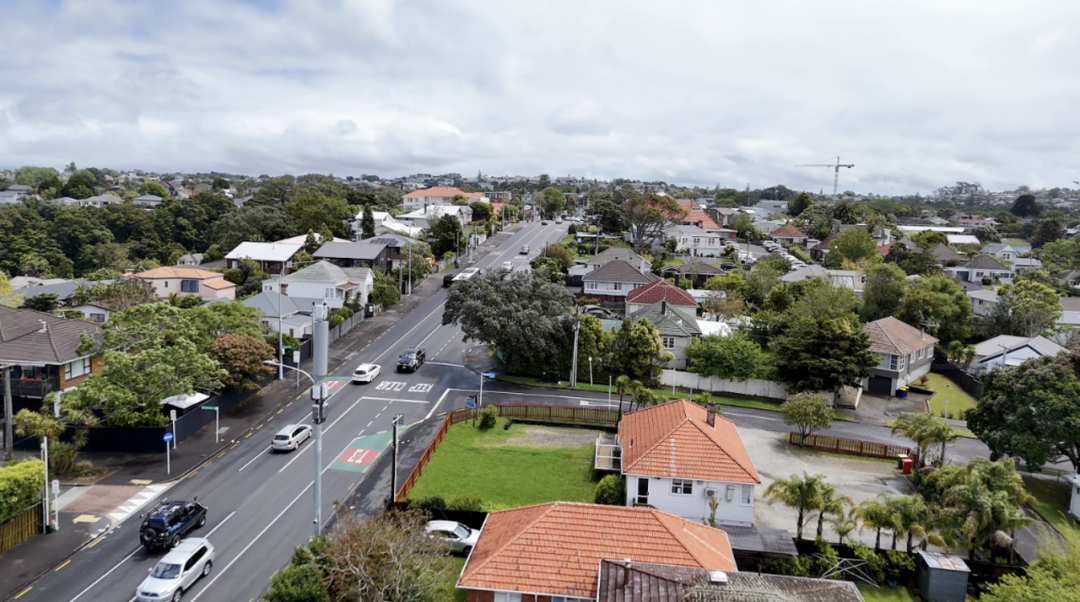
So how will National’s proposals be implemented? YIJU has summarised the key points below:
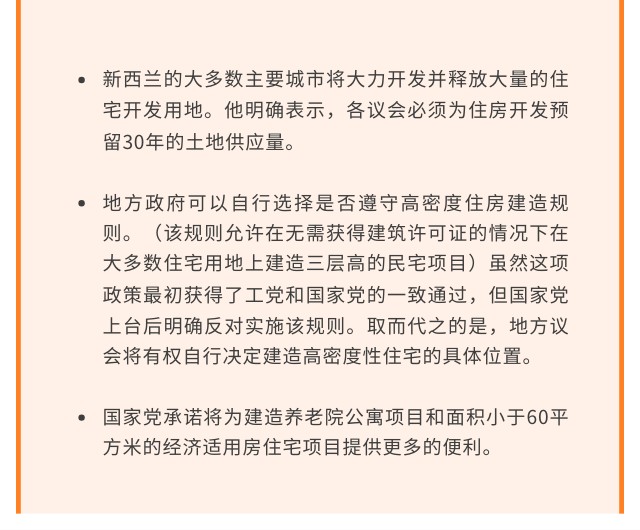
Bishop explained further that New Zealand had no shortage of land, but existing rules made ‘using that land very difficult’. ‘We need development on the edges of cities, and we also need development within cities.’ Within the existing restrictions, the coalition government would retain Labour’s housing policy allowing buildings of up to six storeys within walking distance of rapid transit stops. It would also give local councils greater discretion to decide which areas could accommodate homes of up to three storeys without requiring building consent.
When asked how he would prevent councils from concentrating most higher-density development in certain suburbs while leaving other areas untouched,Bishop said higher-density development had natural limits. Intensification in suburbs would naturally be constrained by factors such as infrastructure limitations.
However, development in suburbs and cities would change over time. Auckland’s central business district, for example, now had much higher housing density than 50 years ago. Such change was gradual: it would take many years of development rather than happening immediately.
He believed the government needed more homes to address the housing affordability problem that had troubled people for 30 years. The planning system, as currently designed, made building more homes very difficult. This was a social and economic issue the governing parties had to address.
When asked how far he wanted house prices to fall,Bishop said a target of 3–5 for the house-price-to-income ratio would be a long-term goal.
He cited the internationally used measure of house prices relative to household income. He noted that overseas housing markets with price-to-income ratios of 3–5 were considered affordable. Unfortunately, this was not the case in most major New Zealand cities. Current monitoring data put the nationwide house-price-to-income ratio at 6.6. Auckland’s ratio was 8.1, Wellington’s 6.14, Christchurch’s 5.84, Hamilton’s 6.57 and Dunedin’s 5.7. In Queenstown Lakes, the ratio was close to 15.
He said a ratio of 3–5 was what they hoped to see as house price growth moderated and incomes rose. This would not happen immediately, or even within the next two to four years; the hope was to achieve it over the medium to long term. Both the government and the public wanted house prices to be affordable for most New Zealanders. In some parts of New Zealand, house-price-to-income ratios exceeded 10, even reaching 13. These levels were unaffordable and would also lead to unequal resource distribution and poverty.
When asked whether the coalition government could provide a firm timeframe for achieving the goal,Bishop declined, saying this would risk repeating the failure of the Labour-led government’s pledge to build 100,000 homes within 10 years.
He believed the reality was far more complex than planning targets suggested. However, he stressed that the programme now being established was based on data and aimed to address housing affordability over the medium to long term.
What do you think?