
Expert forecast: How long until house prices across New Zealand return to their peaks?
OneRoof’s latest house price report shows signs that Auckland’s house price growth slowed over the summer
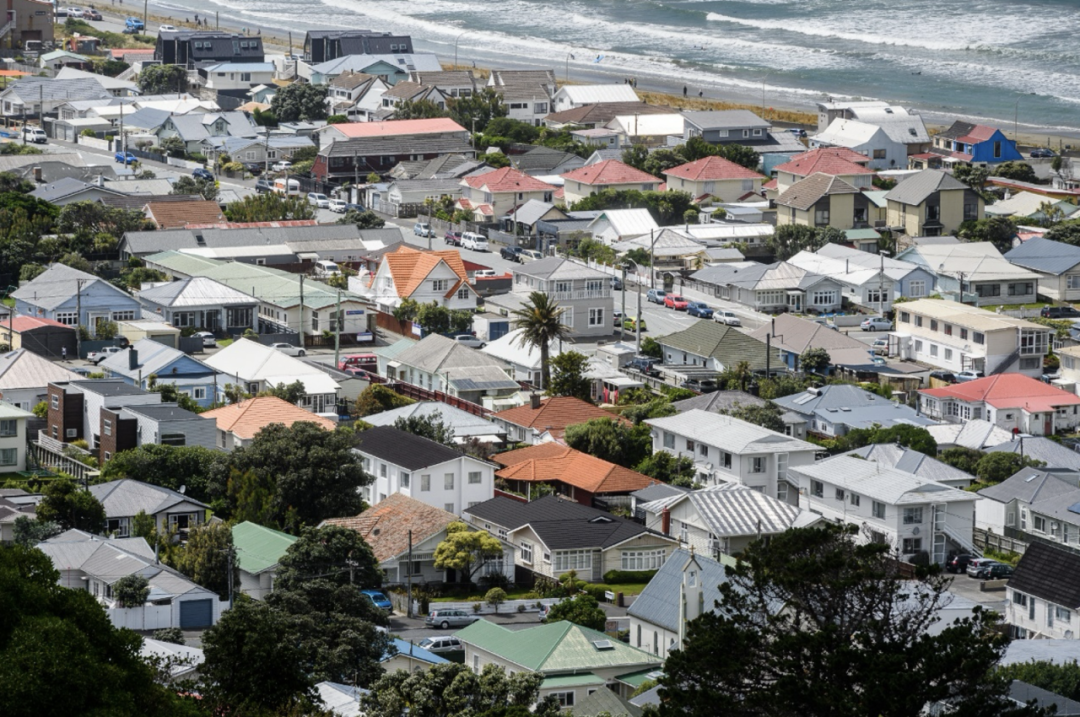
OneRoof’s latest house price report shows signs that Auckland’s house price growth slowed over the summer. However, market forecasts from Valocity suggest New Zealand’s national average house price could return to its February 2022 market peak of NZ$1,098,000 in the third quarter of 2025.
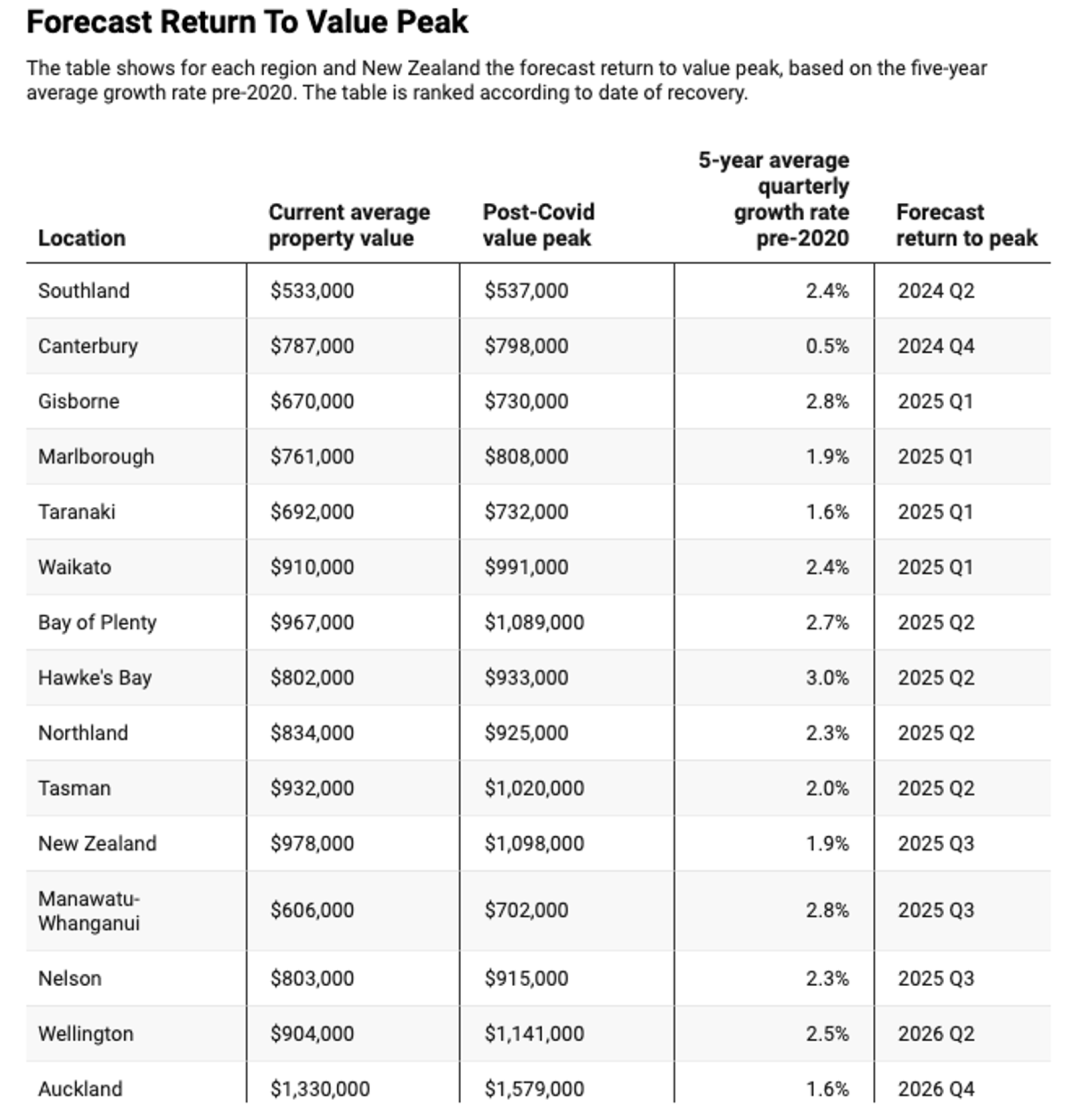 Based on average quarterly house price growth in New Zealand’s regions over the five years to the end of 2019 (Source: OneRoof-Valocity)
The research shows average house prices on the West Coast and in Otago have already exceeded their previous peaks, while Southland and Canterbury are expected to reach their peaks later this year. The data also forecasts that Gisborne, Marlborough, Taranaki and Waikato will all see house prices recover fully in the first quarter of 2025.
However, Auckland and Wellington may face a longer wait. House prices in these regions have fallen further over the past two years than elsewhere in the country, so recovery will take longer. The forecasts suggest Wellington’s house prices will return to their post-pandemic peak in the second quarter of 2026, while Auckland may have to wait until the third quarter of 2026.
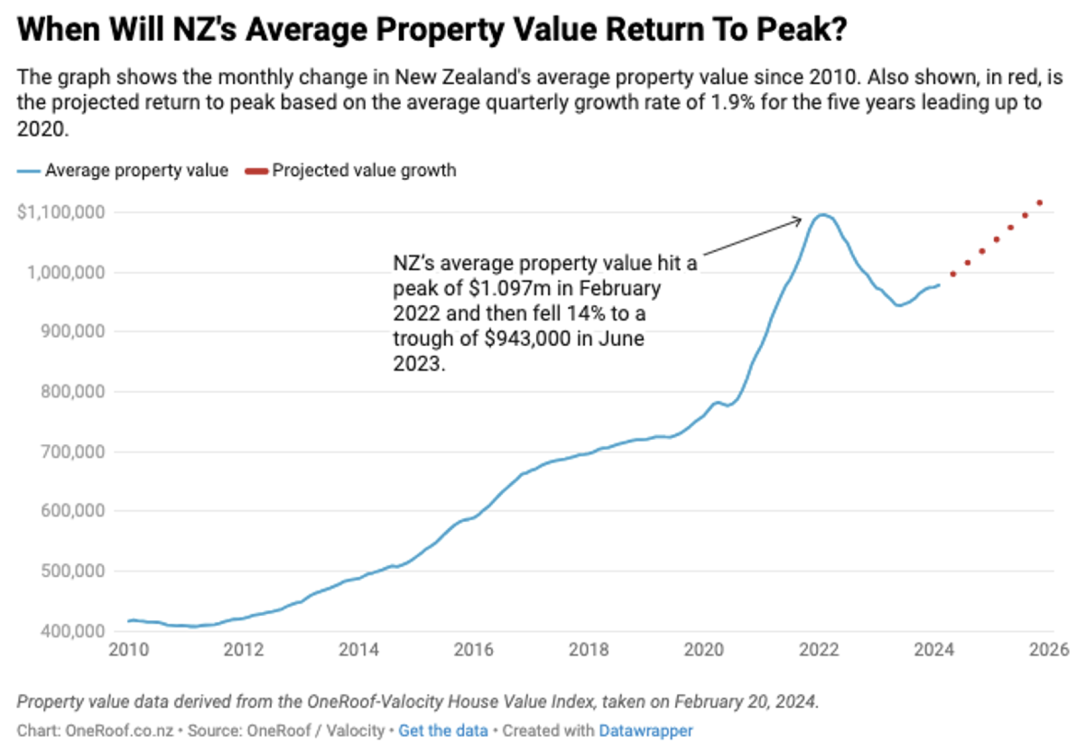 New Zealand average house price trends since 2010, with forecasts (Source: OneRoof-Valocity)
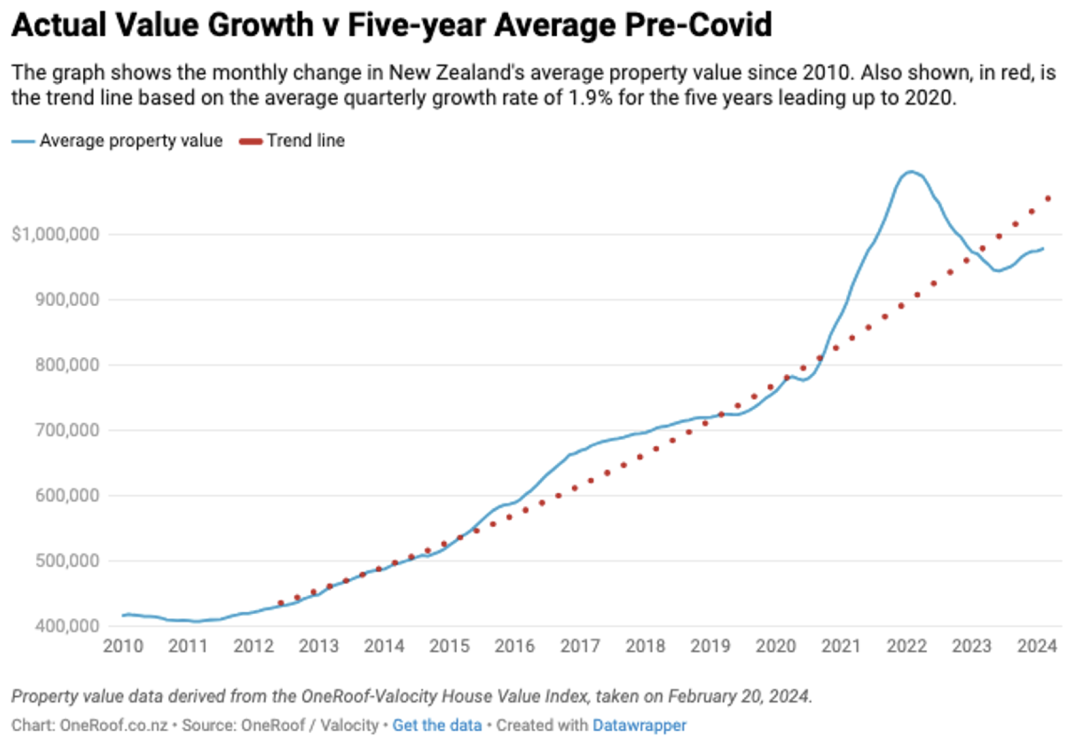 New Zealand average property price trends since 2010 (Source: OneRoof-Valocity)
OneRoof-Valocity’s latest House Price Index report shows the national average house price rose just 1% (NZ$10,000) in the three months to the end of February, with uncertainty over the direction of interest rates severely dampening buyers’ appetite.
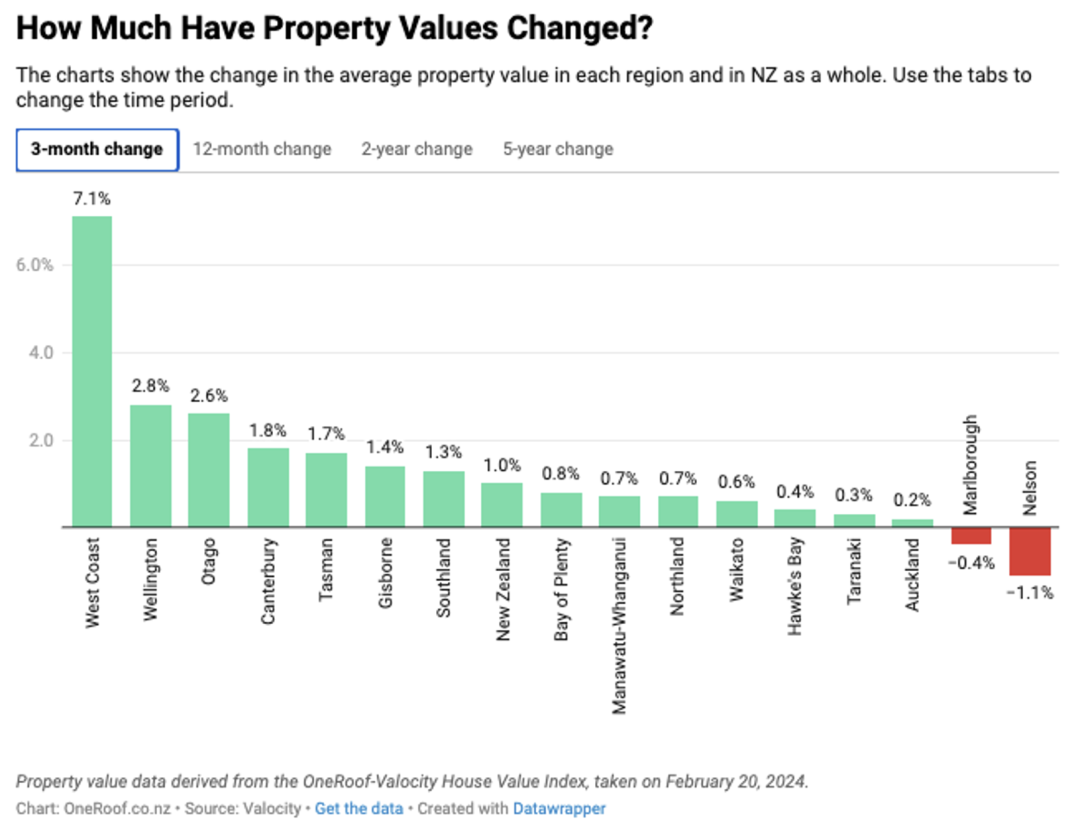 Bar chart of house price changes in New Zealand’s main regions over the past 3 months (Source: OneRoof-Valocity)
Auckland’s property sales in January fell to their lowest monthly level since April 2020, with sales in February facing similar challenges. This slowed the region’s quarterly house price growth from 2.5% at the end of November to 0.2% at the end of February.
By contrast, the West Coast remained the strongest-performing region, with its average house price rising 4.7% over the past three months to NZ$444,000. House price growth was also accelerating in Wellington and Canterbury, with quarterly growth in both regions exceeding the levels recorded in January and February. Otago continued to benefit from strong interest in Queenstown-Lakes, recording house price growth of 2.6%. The data shows Queenstown-Lakes remained the preferred location for buyers at the top end of the market, with house prices rising 4% quarter on quarter.
However, property markets across much of the rest of New Zealand remained subdued, with average house prices in Marlborough and Nelson falling over the past three months. Christchurch’s quarterly house price growth also slowed from 3% at the end of September to 1.7% at the end of February. In Auckland, house price growth across its former local authority areas stalled or declined.
Suburb-level property sales data also shows how uneven the housing market’s recovery has been. Among all suburbs with more than 20 recorded sales over the 12 months to January, 90% recorded house price growth. In February, that proportion fell to 70%, with some suburbs recording quarterly price falls of more than 4%.
In stark contrast, the number of residential properties for sale has rebounded, with new listings up nearly 30% nationwide year on year and nearly 47% in Auckland. New listings on OneRoof in February rose 9.8% year on year, partly reflecting greater optimism among sellers. After a relatively long wait, a large number of new homes have entered the market, potentially tipping it back towards a buyer’s market.