The property market recovery is spreading! Which key figures should investors watch this week?
Another set of CoreLogic figures shows that the economic recovery is broadening.
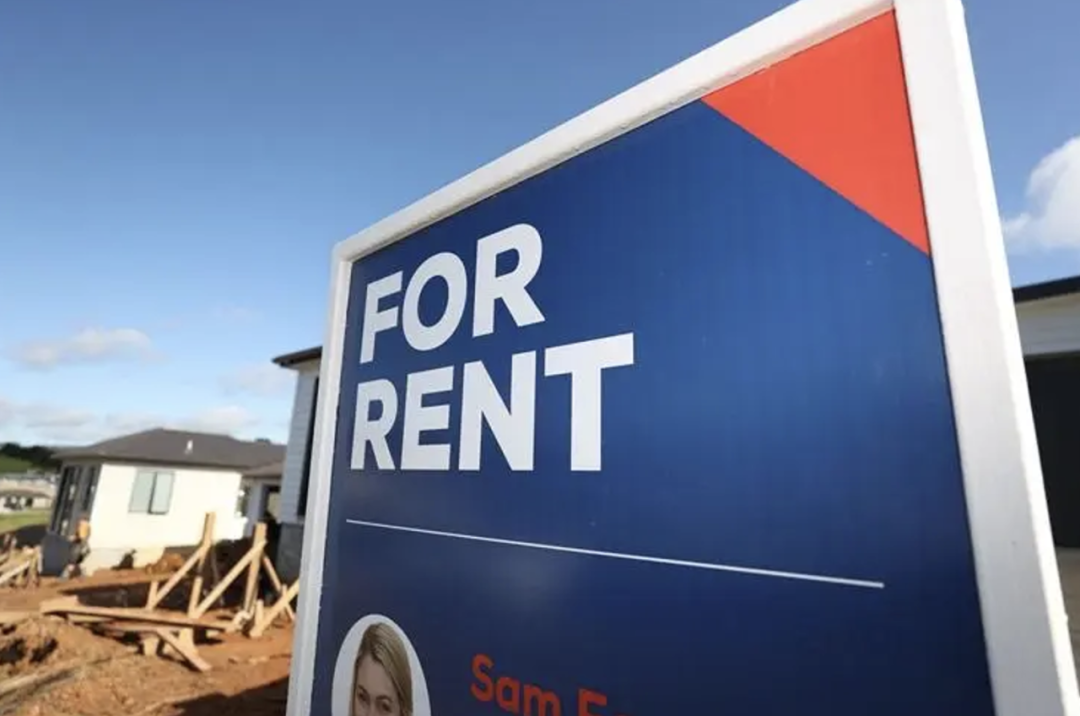

The latest Stats NZ data shows that rent growth for new tenancies reached 6% in February this year. This was the seventh consecutive month of growth in the 6–7% range, at least double the long-term average of 3%. Wage increases are seen by the market as the main driver, although strong rental demand from new migrants and a slight shortage of available properties are also factors that cannot be overlooked. Looking ahead, rents are already very difficult for most households to afford, so rental growth will certainly slow at some point. In the short term, however, some momentum may persist.

 CoreLogic chief property economist Kelvin Davidson
Figures released by Immigration New Zealand last week showed net migration totalled 133836 people over the past 12 months, including 5259 in January alone this year. Notably, arrivals eased slightly compared with earlier levels, while departures continued to rise, particularly among New Zealand citizens heading overseas.
CoreLogic chief property economist Kelvin Davidson concluded that New Zealand’s net migration inflow may have passed its peak, but remains high and could easily be revised upwards. This will increase overall demand for property, particularly rentals.
Davidson said he and his team have been watching closely to see whether first-home buyers will maintain their record-high market share this year. CoreLogic’s latest February data shows first-home buyer activity has slowed, with their share of purchases falling from just over 26% in the third and fourth quarters of last year to 25.5% in the first two months of this year. Meanwhile, owners of multiple properties, including investors, have been more active buyers at the start of this year. Davidson warned that signs suggest first-home buyers may already be facing competitive pressure from other buyer groups. He believes it is too early to conclude that restoring mortgage interest deductibility for investors has affected the market, and that it is not the main influence on housing activity. In fact, a fall in mortgage rates would provide a greater boost to property investors’ enthusiasm.

Another set of CoreLogic figures shows that the economic recovery is broadening. Since December last year, house prices have risen in nearly 60% of suburbs. These include much of Auckland and Wellington, where earlier sharp falls have clearly created more room for prices to rise quickly. Meanwhile, Queenstown’s house prices have generally maintained considerable upward momentum, while parts of the West Coast are also among the strongest performers, reflecting better housing affordability in lower-priced areas.

The key figures due this Thursday are GDP data for the final quarter of last year. Davidson believes GDP may have risen slightly in the final three months of 2023—by, say, 0.2%—meaning a technical recession was avoided following the 0.3% decline in the third quarter. For many people in everyday life, however, the signs of recession will still feel very apparent.