
Trouble ahead! Mortgage repayment pressure is rising sharply—will more homeowners be forced to sell?
Centrix survey data shows that a growing proportion of borrowers are falling behind on mortgage repayments, with borrowers under pressure choosing to sell before facing a mortgagee sale.
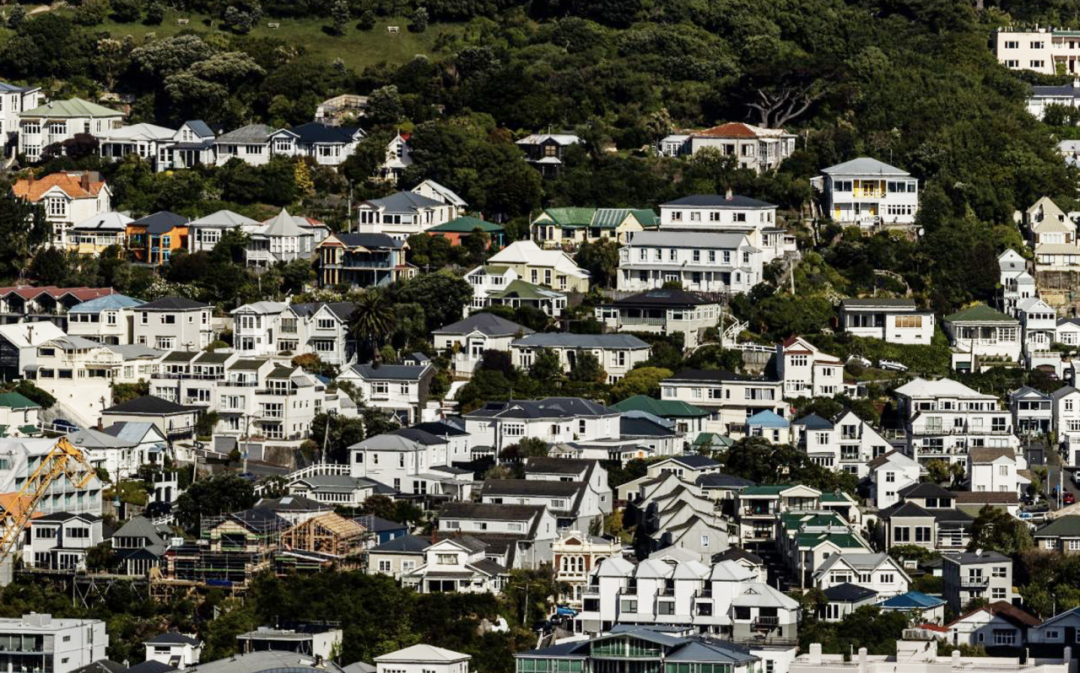

As mortgage repayment pressure rises, more homeowners are choosing to list their properties for sale. Data shows that in February this year, the stock of homes available for sale on realestate.co.nz reached its highest level since 2015. Over the past five years, monthly new listings have exceeded the number added in February on only three occasions, two of which followed the first COVID lockdown in 2020.
Although home sales recovered slightly in the first half of 2023, demand has weakened since October last year. This suggests there are fewer buyers in the current property market, with their purchasing power constrained by their ability to service a mortgage. With buying demand subdued, the increase in people wanting to sell clearly cannot be attributed to an improvement in demand.
Meanwhile, Centrix survey data shows that a growing proportion of borrowers are falling behind on mortgage repayments, with those under pressure choosing to sell before facing a mortgagee sale. Mortgage arrears account for 1.47% of all mortgages, well above the 1% recorded in 2022.

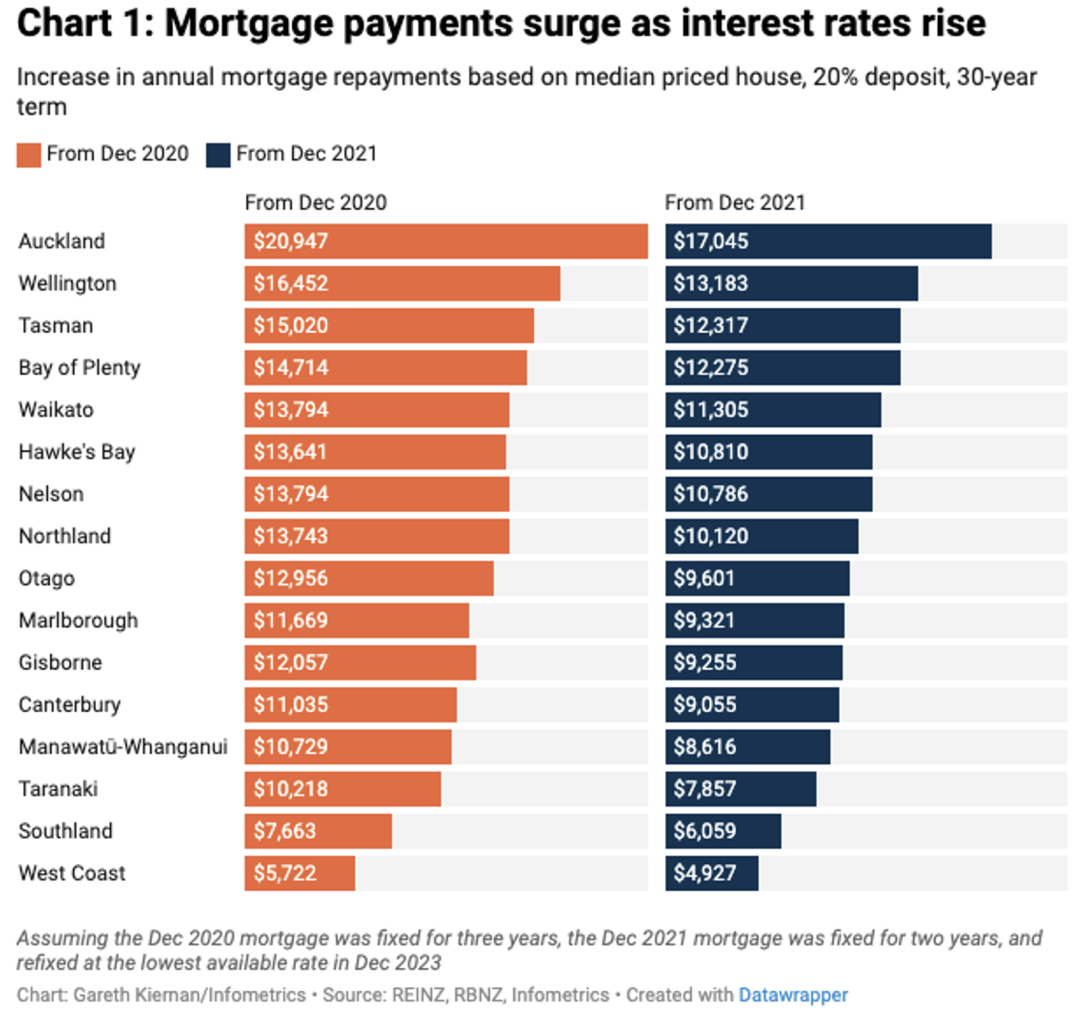
Chart comparing interest costs before and after interest rate rises in 2020–2021 (Sources: REINZ, RBNZ, Informetrics)
Mortgage repayment pressure is clear for those who bought during the property boom. Buyers who purchased in December 2020 with a 3-year fixed mortgage rate of 2.8% faced a sharp increase in repayments when they refixed late last year. Annual repayments rose by NZ$5700 for West Coast residents and NZ$21000 for Auckland residents. For those who bought at the end of 2021 and fixed for two years at 4.3%, annual repayments in these two regions would increase by NZ$4900 and NZ$17000 respectively.

As we know, Labour extended the bright-line test from two years to five years in April 2018. This meant investors who bought after that date could not sell for a profit during the 2021 property boom without facing a substantial tax bill. To some extent, this restriction helped prevent a larger fall in house prices between 2022 and 2023. Many investors did not sell to realise the capital gains of previous years, which would have increased the number of homes for sale and added downward pressure on prices.
This means investment properties bought from 2018 onwards have now passed the five-year threshold and can be sold without incurring a large tax bill. With mortgage rates at their highest since 2008, some investors may be under pressure and looking to cash out, adding to the supply of properties on the market.
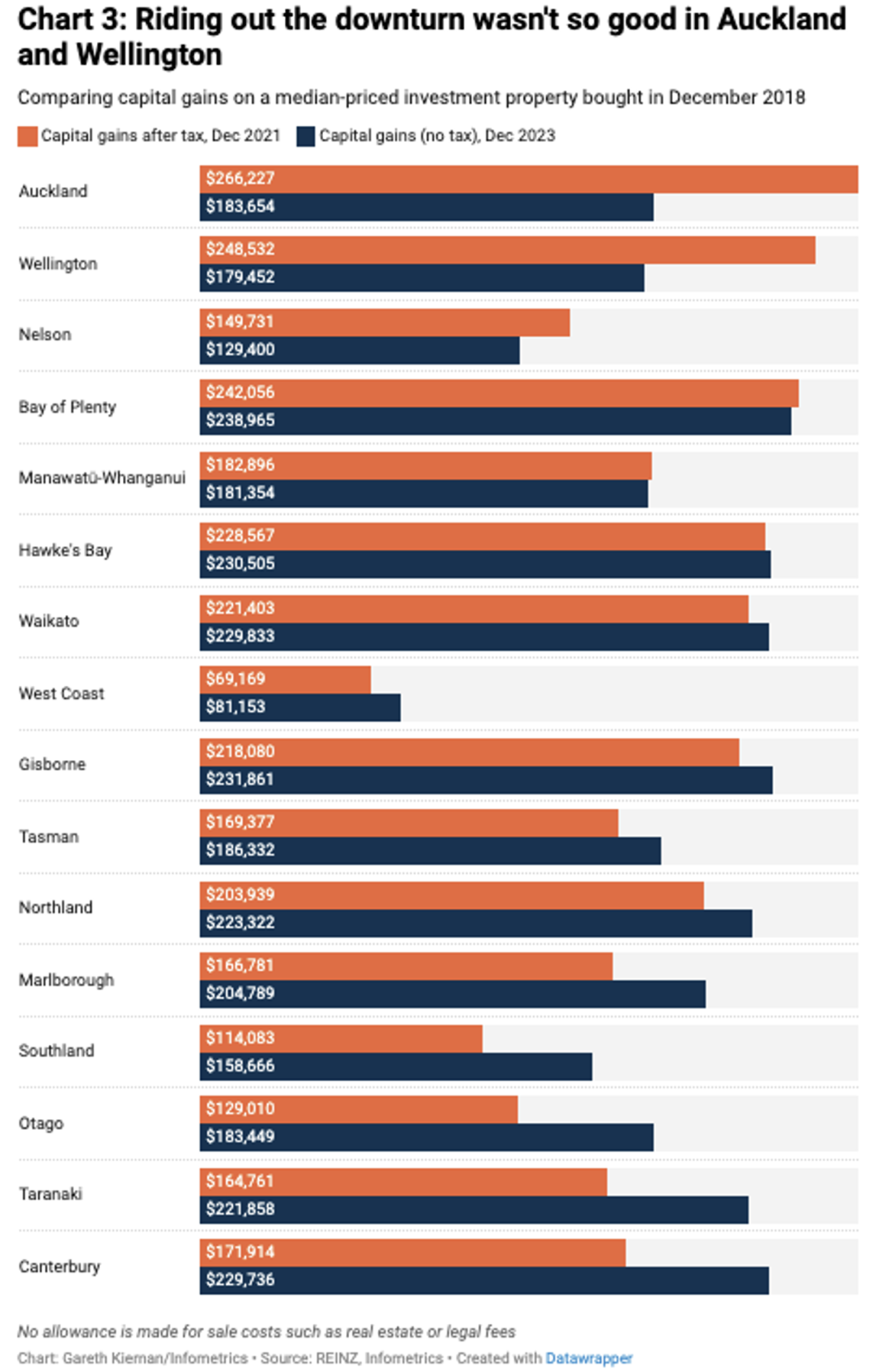 Chart comparing capital gains from selling a property five years after purchase with the after-tax profit from selling the same property at the end of 2021 (sources as above)
If we compare the capital gains from selling a property five years after purchase with the after-tax profit from selling the same property at the end of 2021, it is clear that in most regions, holding on for two years through the market downturn was the right decision. The tax bill in 2021 proved larger than the subsequent fall in property values. These calculations exclude operating costs and income during that period, such as rental income, mortgage payments, insurance and council rates. In five regions, however, most notably Auckland and Wellington, investors would have been much better off selling two years ago than selling now.

With the Reserve Bank of New Zealand reiterating in its latest Monetary Policy Statement that interest rate cuts remain some way off, and more investment properties passing the five-year threshold this year, many economists expect the supply of homes for sale to keep increasing throughout 2024. Homeowners will also continue moving from lower fixed mortgage rates to higher rates, increasing mortgage stress. Buyers will remain constrained: affordability limits mean new buyers need to devote nearly 50% of average household income to mortgage repayments in the first year, which may be beyond the means of many ordinary families. Even if record net migration lifts buyer numbers this year, the prospect of a sharp rise in house prices in 2024 remains uncertain.

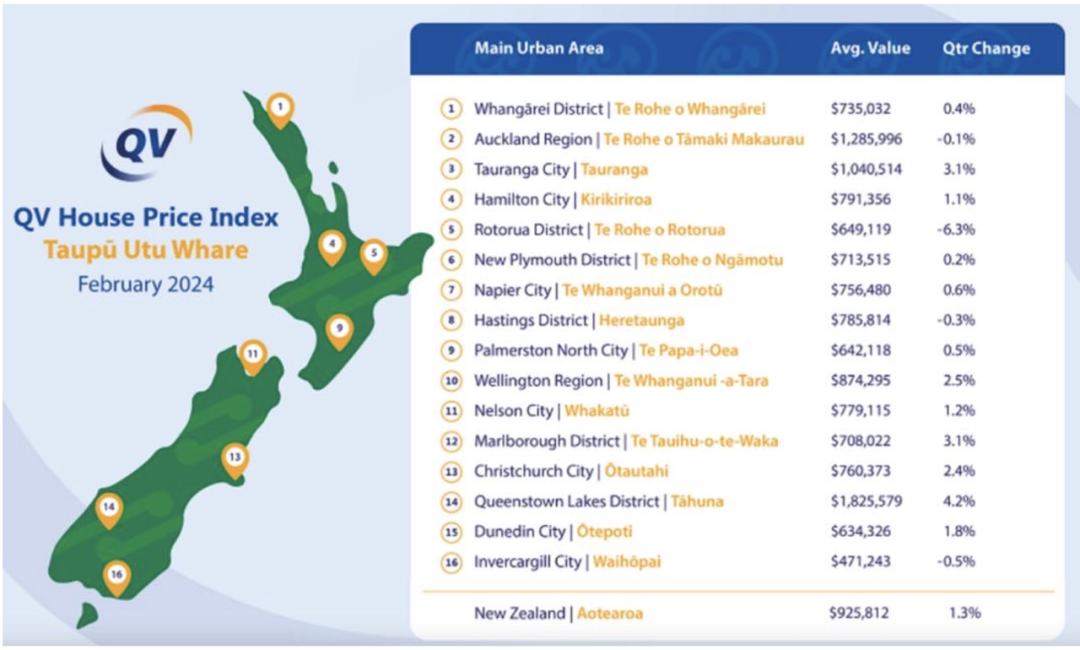 February 2024 index report (source: QV)
QV’s latest data shows that average national property values rose 1.3% in the three months to the end of February, taking them slightly above the same period last year for the first time since August 2022.
QV operations manager James Wilson said sellers who held off putting their homes on the market late last year have now become the main source of new listings. He believes the flattening trend is primarily due to reduced demand.
In some regions, the increase in new listings at the end of January and during February has fully met market demand. Competition has cooled, particularly in places such as Auckland, causing house price growth to flatten. Wilson expects this trend to continue over the coming months. Even as the market enters its traditionally quieter season, house prices are unlikely to fall substantially, although sales volumes may decline further. Surprisingly, he does not believe mortgage stress among borrowers accounts for a large share of the increase in listings.