
New Zealand’s infrastructure is in trouble: do you agree with these four main causes?
“Fixing this infrastructure is not simply a million-dollar problem: it could require investment of up to NZ$300,000,000,000.”
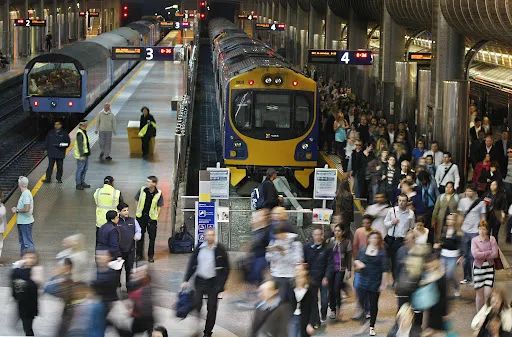
Former Auckland Council chief economist David Norman recently said New Zealand faces an infrastructure shortfall and is struggling with inadequate, ageing infrastructure. Fixing it is not simply a million-dollar problem: it could require investment of up to NZ$300,000,000,000.
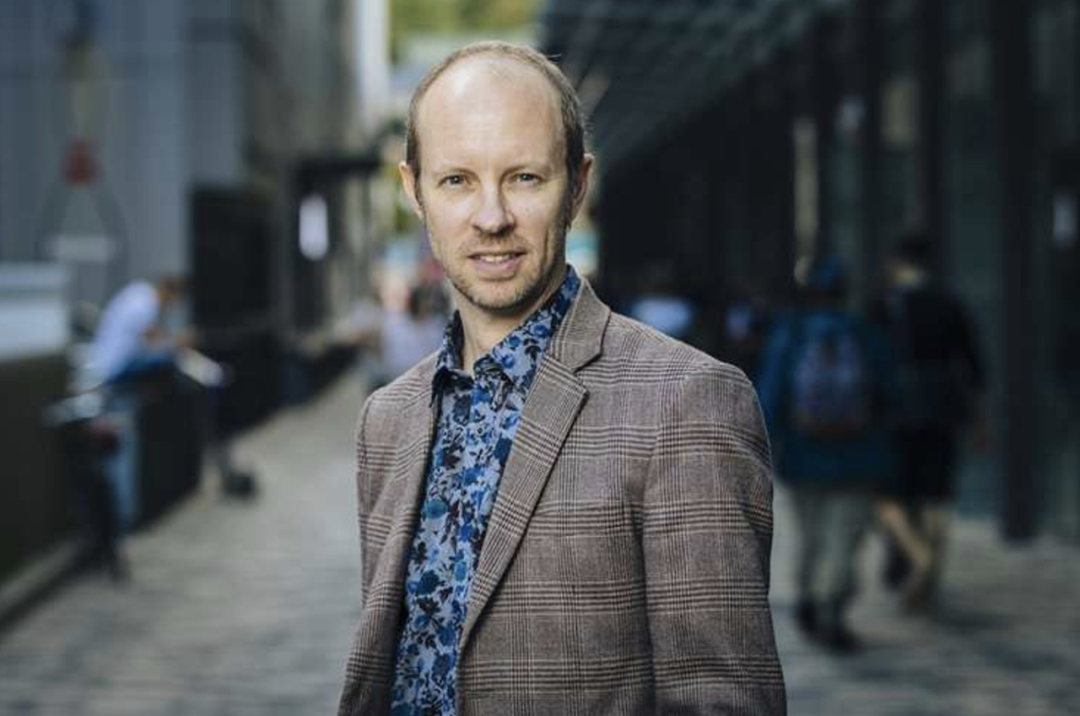
Former Auckland Council chief economist David Norman
David Norman explains that once homes are built, water pipes must be in place so residents have drinking water and toilets can flush. Transport systems must also be available to meet everyday commuting needs. Taking water infrastructure as an example, Norman says building and maintaining these assets requires NZ$120,000,000,000–185,000,000,000 and could take as long as 30 years. New Zealand’s “precarious” healthcare system faces a similar situation: outside Christchurch and Wellington, hospitals are approaching the end of their design life without exception. The school system is in a similar position, and the scale of the problem is evident in the hefty council rates proposed by local authorities.
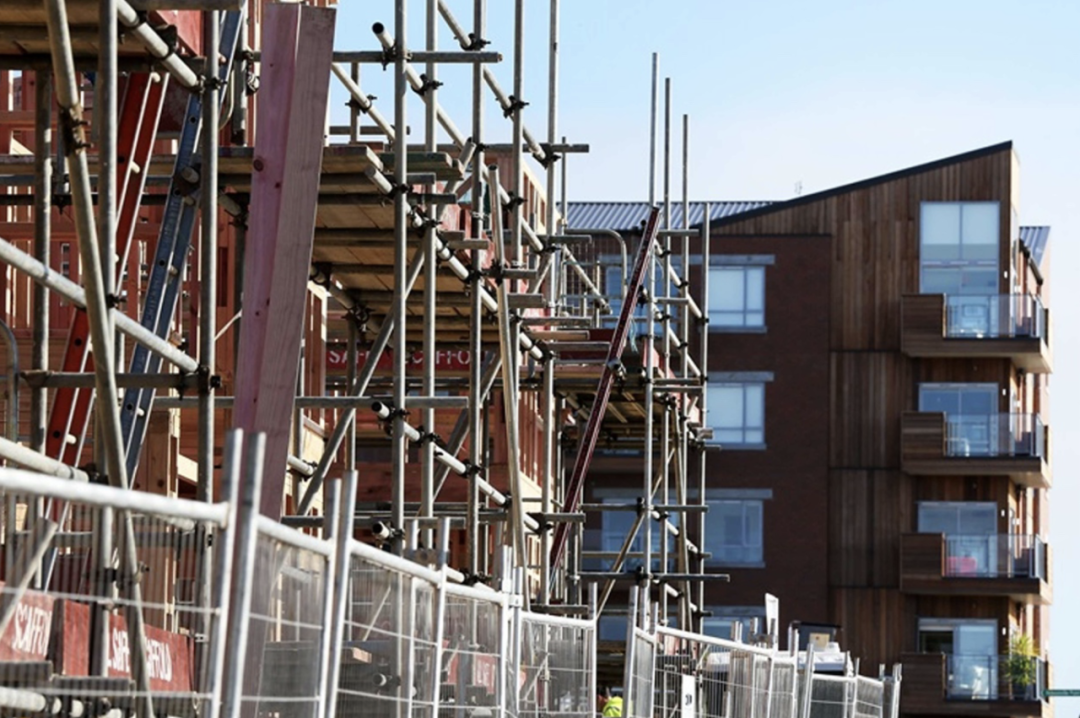
So how has our infrastructure reached this point? Norman identifies four main reasons.

Norman says he will not single out any particular government, but the first reason dates back decades, when many local authorities made the mistake of failing to account for depreciation on their assets. He regards this as “very short-sighted”. When building infrastructure, he explains, we need to anticipate that it will eventually require replacement. Without money set aside for that purpose, a failure could leave us unable to act for lack of resources. This issue is entirely within decision-makers’ control, yet is often overlooked.

As time passes, circumstances, people’s expectations of assets and government legislation all change. This means that even if depreciation was assessed 40 years ago, facilities will face new standards by the time they need rebuilding.
Norman uses wastewater treatment as an example. 40 years ago, discharging wastewater into waterways was standard practice. Today, even if discharges meet modern standards, public opposition to wastewater entering waterways means authorities must purchase large areas of land for alternative wastewater treatment facilities. This rapidly increases treatment costs: a budget of NZ$10,000,000,000 can suddenly balloon to NZ$40,000,000,000.

Driven by repeatedly record-breaking net migration, New Zealand’s population is growing at an unsustainably rapid pace. Bringing in more migrants has been central to economic policy over the past 20 years, yet New Zealand appears not to have prepared adequately for the population surge. He says he is not arguing against increased migration: new arrivals raise total GDP and bring in more workers, which also benefits businesses. Unfortunately, however, the burden of overstretched infrastructure falls on everyone.

As the property economy has developed, local authorities have failed to collect enough funding for infrastructure. This means that for decades, infrastructure investment has covered only a small proportion of the costs of economic growth. Landowners have been the biggest winners, benefiting from infrastructure used to build housing or commercial property while taxpayers bear the costs of developing the land.
In Auckland, for example, the actual cost of new infrastructure is three to four times the development contributions paid by developers. Fortunately, Auckland Council and Hamilton City Council have recognised this problem and begun addressing it. Development contributions have been increased for the Drury development, for instance, with Auckland Council saying developers will bear their own costs. This clearly sends the right signal to the market. Most councils elsewhere in the country, however, have yet to recognise the seriousness of the problem.
Norman declined to comment on whether the coalition government was moving in the right direction, but said New Zealand urgently needs cross-party cooperation to improve a range of vital infrastructure and establish a clear policy direction.