
Two positive factors are now in place for housing: why is the property market still weak? Is now a good time to buy?
Some buyers say they are unwilling to take on larger mortgage commitments at current high interest rates.
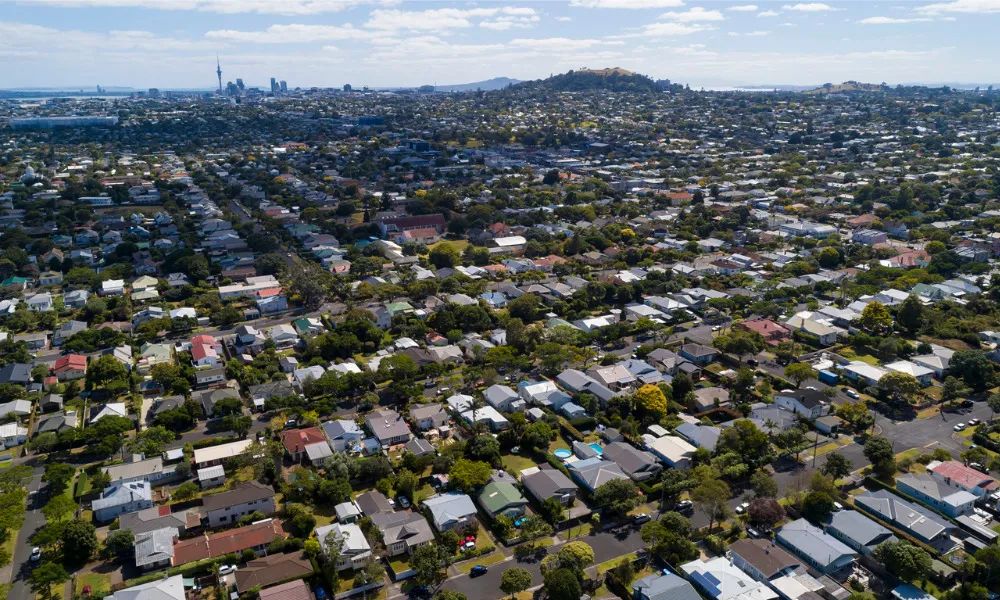

ANZ economists have analysed Auckland’s property market and its outlook in depth in their latest Property Focus report. Examining Auckland’s sales data for the first quarter of this year, the report found that despite strong migration inflows into the city, auction clearance rates and sales-to-listings ratios both indicate that Auckland house prices could soften further in the short term.
Discussing the impact of migration on Auckland’s housing market, the report says that although Auckland has received the vast majority of the country’s net migration, rental yields have remained stagnant over the past year or so. Changes in Auckland’s rental yields over that period have also underperformed the national average. While this suggests Auckland has done relatively well in increasing rental supply alongside demand, it also indicates that rental yields will not drive a surge in investor demand for housing.
One major reason is Auckland’s relatively large supply of new homes, accounting for more than 40% of residential building consents nationwide. Most of these new homes are multi-unit dwellings suited to renting. Properties of this kind, which are better suited to first-home buyers and rental use, have also made up a growing share of all new dwellings consented. The report says this market shift towards more new housing has, to some extent, temporarily offset the impact of the surge in new migrants on rents. Extending the analysis to New Zealand as a whole would produce similar conclusions.

The latest figures show that new listings in Christchurch rose by 20% year on year in the three months to the end of April, but buyer numbers failed to keep pace. Some buyers say they are unwilling to take on larger mortgage commitments at current high interest rates.
EasyStreet Mortgages mortgage adviser Gareth Veale says buyers who had planned to upgrade from their first home after three or four years have also had to bow to reality. Many approach banks hoping to borrow more, only to come away disappointed. Veale explains: These borrowers assume getting a mortgage top-up will be easy because they found it easy to get a loan for their first property a few years ago. But when they actually apply, their incomes clearly cannot support it.
He notes that when properties in the NZ$800,000–1,100,000 range take longer to sell, buyers in this bracket are facing financial difficulties and cannot secure sufficient finance. Sometimes mortgage repayments account for 50%–60% of their income, which is too much for many ordinary households. Owner-occupiers looking to upgrade may need a budget of more than NZ$300,000 extra. Once they realise how much it will cost, they either postpone buying or lower their sights.
Harcourt Gold’s Cameron Bailey has also felt the considerable impact of high interest rates on the market. Owners of a property worth NZ$800,000 told him that rising interest rates had added NZ$12,000 to their annual mortgage bill. Simply continuing to live in the house costs them an extra NZ$250 a week, before food, petrol and other living expenses. He has found that many people are choosing to sell properties worth NZ$1,000,000 and buy homes worth NZ$800,000 to make life a little easier.
Discussing the upper end of the market, such as properties priced above NZ$4,000,000, Bailey says these buyers do not necessarily have to consider their income, as they typically have a large business behind them or substantial savings.

Richard Withy, auction manager at Ray White Metro City, says Christchurch listings have risen sharply over the past two months. Buyers have more choice, which has also led to a steep drop in enquiries per property. He believes now is a good time to buy, as increased supply creates more opportunities to purchase a home you like at a competitive price。For the first time in years, offers conditional on the sale of another home are becoming more common. These account for around 10% of the properties currently under contract at his agency.