
Good news for landlords! Major government reforms as rents hit another record high! Are more homeowners entering the rental market?
Rental markets across many parts of New Zealand have been heating up recently, driven by rising net migration, the return of tourists and international students, and the effects of extreme weather in 2023.

Rental markets across many parts of New Zealand have been heating up recently, driven by rising net migration, the return of tourists and international students, and the effects of extreme weather in 2023. Rental data for more than 17,500 properties managed by Barfoot & Thompson in Auckland shows that average weekly rent reached $671.35 in March 2024, up 5.69% on the same period last year. This exceeded the annual increase of 5.27% recorded in December 2023, which was then the highest rate of rent growth since 2015.
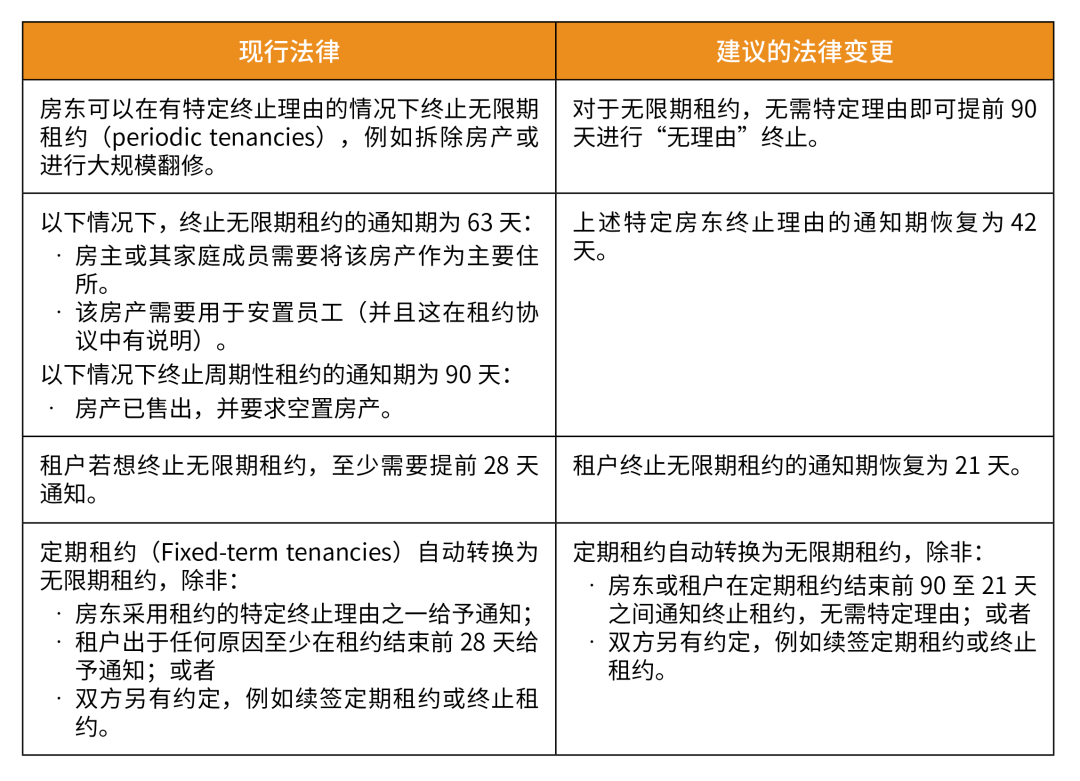
The New Zealand coalition government has also recently announced a series of changes to the Residential Tenancies Act, aimed at attracting more landlords back to the rental market, improving tenants’ living conditions and addressing New Zealand’s worsening housing crisis, while making the rental market operate more efficiently.
The government will introduce an amendment bill in May, with the changes expected to take effect in early 2025. What exactly will change? Today, we take a closer look.

Another significant policy adjustment involves improvements to the rules on pets in rental properties.
Tenants with pets have long struggled to find pet-friendly rentals, while landlords have been reluctant to lift pet restrictions because of various concerns. According to the latest data from Barfoot & Thompson, around 14% of Auckland rental properties allow pets. Barfoot & Thompson also compared average weekly rents for properties that allow pets with those that do not. It found that rents for pet-friendly properties were already around 10% above the average rent for homes in the same area, although this varied considerably across Auckland.
Through these reforms, the government hopes to give landlords greater confidence and provide more certainty for tenants with pets. The proposed changes are as follows:
The government plans to allow landlords to charge a pet bond of up to two weeks’ rent, in addition to the standard tenancy bond.
To keep a pet in a rental property, the proposal requires that tenants obtain their landlord’s written consent, which landlords may refuse only on reasonable grounds。A non-exhaustive list of reasonable grounds for refusing a tenant permission to keep a pet in a rental property includes:
|
1. The property is unsuitable for pets because of factors such as its size, inadequate fencing or distinctive features that could be difficult to repair if damaged by a pet. 2. The relevant body corporate rules or council bylaws prohibit pets. 3. The pet is unsuitable for the property because of:
4. There is evidence that the pet has previously attacked people or other pets. 5. The tenant has failed to comply with relevant local animal bylaws. 6. The tenant has not agreed to reasonable conditions imposed by the landlord when granting consent for the pet.
|
The government also proposes making tenants fully liable for pet-related damage caused negligently or accidentally that goes beyond fair wear and tear.
The bill will include offences, unlawful acts and associated penalties relating to pet consent and bonds, to support compliance with the new rules.

Housing Minister Chris Bishop said these changes would help reduce landlords’ operating risks, encouraging more ‘mum and dad’ landlords to enter the rental market. This is expected to increase the supply of rental homes and could also bring rents down. The government also stressed that addressing New Zealand’s housing crisis requires using every available tool to increase supply. It has also restored interest deductibility for residential investment properties to further encourage landlords back into the market.
YIJU interviewed Kelsey Luan, Head of Property Management at Barfoot & Thompson’s Flat Bush branch, to hear her interpretation of the new policies.

Kelsey Luan
Head of Property Management
Flat Bush Branch
Kelsey Luan:The rental market in East Auckland has recently slowed as winter approaches. With supply currently exceeding demand, tenants have more choice, prompting landlords to compete through lower rents and other incentives to attract tenants. We expect it may take longer to let properties in May than in previous months.
Kelsey Luan:We firmly believe that promoting the use of ‘90-day termination notices’ and giving landlords greater control over their properties can encourage positive development in the rental market. This proactive approach benefits landlords and helps sustain growth and stability across the rental sector.
Kelsey Luan:In our experience, the rental process generally differs little whether pets are allowed or not. Most homeowners prefer not to allow pets on their properties. For landlords who do allow tenants to keep pets, the decision usually depends on the pet’s training and behaviour. Each landlord may have their own perspective, and the final decision on allowing pets depends on individual preferences and considerations.
Kelsey Luan:Residential investment properties can deliver substantial returns over the long term. However, managing an investment property can be stressful and take up a great deal of a landlord’s time, given the many laws and regulations they need to understand and follow. This is why it makes sense to find a property manager to look after your investment property.
Peace of mind: Having a professional look after your property gives you peace of mind, knowing it is being carefully managed by a dedicated specialist.
Optimise rental returns: With a property manager, you are more likely to secure a better rental rate. Your investment property’s rent will rise in line with the market, and you will achieve higher occupancy.
More free time: Managing a property yourself can be time-consuming and involve dealing with many minor tasks. You can instead leave the day-to-day management and administrative work to a professional.
Let a professional handle the legal details: Beyond finding tenants and maintaining the property, meeting various legal requirements and following procedures often takes considerable time and effort. Leaving these matters to a property manager helps ensure everything stays on track.