
Breaking: two major central banks cut rates in succession! Does ANZ expect New Zealand cuts sooner than anticipated? Could faster foreign investment approvals make New Zealand a preferred investment destination?
Seymour said: ‘According to the OECD’s Foreign Direct Investment Regulatory Restrictiveness Index, New Zealand currently ranks as the OECD country with the most restrictive foreign direct investment policies…’
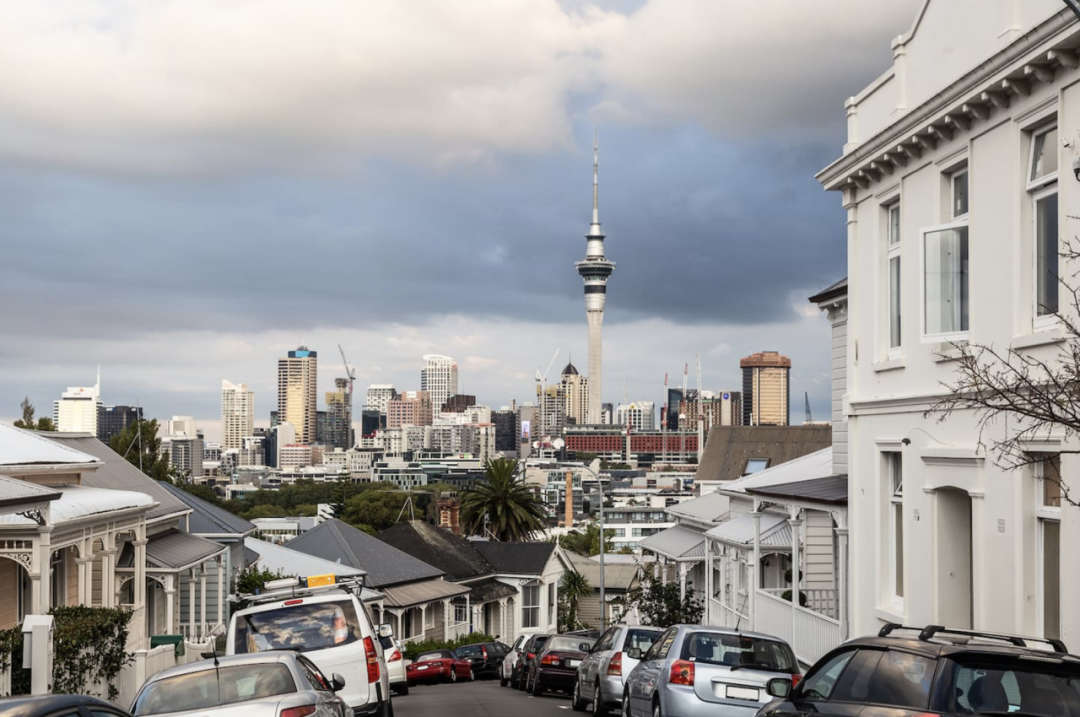
Two major central banks cut rates in succession
This week, the central banks of two major developed economies began cutting interest rates ahead of the US Federal Reserve.
The Bank of Canada announced on the 5th that it would cut its benchmark interest rate by 25 basis points, from 5% to 4.75%, its first cut since the end of March 2020. Soon afterwards, the European Central Bank announced a 25-basis-point cut after maintaining high rates for 22 consecutive months. The main refinancing rate fell to 4.25%, the marginal lending rate to 4.50%, and the deposit facility rate to 3.75%.
Many analysts also expect the Bank of England, which will hold its rate-setting meeting in two weeks, may follow the European Central Bank and the Bank of Canada.
Although the Reserve Bank of New Zealand has held its rate at 5.5% because of inflationary pressures, the trend towards rate cuts in major global economies may force it to reassess its stance, particularly if domestic inflationary pressures ease. So when might we see the Reserve Bank of New Zealand cut rates?
ANZ revises its OCR forecast
Today, ANZ revised its Official Cash Rate (OCR) forecast, bringing its expected first rate cut forward from May next year to February.

ANZ New Zealand chief economist Sharon Zollner
ANZ New Zealand chief economist Sharon Zollner said in a report that ‘meaningful progress’ in reducing inflation was close at hand. She said that before cutting the OCR, the Reserve Bank of New Zealand needed to be confident not only that CPI (Consumers Price Index) inflation was heading towards 2%, but also that it would subsequently remain within the 1%–3% target range. ‘By February next year, we expect the Reserve Bank of New Zealand to see annual CPI inflation of 2.6% for this year’s fourth quarter. Non-tradables inflation, which is domestically driven, will still be 4.7%, but we forecast it will fall below 4% the following quarter, while unemployment will exceed 5%. That should be enough to trigger a rate cut.’
Earlier this week, New Zealand economic consultancy Infometrics pushed back its expected rate cut from November 2024 to February 2025. Financial markets are pricing in 25 basis points of cuts by November, and nearly 50 basis points by February. ANZ expects the Reserve Bank to cut by 25 basis points at every meeting after February. Also earlier this week, the New Zealand Institute of Economic Research said the Reserve Bank of New Zealand could cut by 50 basis points whenever necessary.
Foreign investment approvals could speed up
Associate Finance Minister David Seymour recently issued a new ministerial directive letter to Land Information New Zealand (LINZ) to accelerate consent processing under the Overseas Investment Act. The letter sets an expectation that LINZ will process 80% of consent applications in half the statutory decision-making time, while the remaining 20% of complex and high-risk applications will have the full statutory timeframe. It directs LINZ to take a risk-based approach to verifying information and streamline the consent process, reducing investment barriers and making New Zealand more attractive to investors, thereby supporting economic growth and making the country a preferred investment destination.
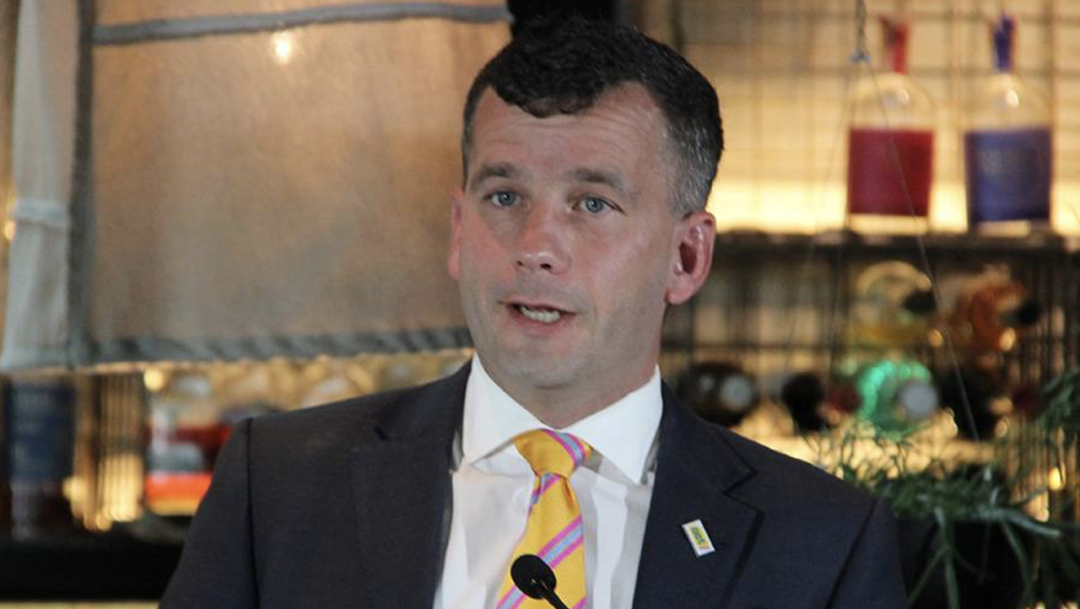
Seymour said: ‘According to the OECD’s Foreign Direct Investment Regulatory Restrictiveness Index, New Zealand currently ranks as the OECD country with the most restrictive foreign direct investment policies. Current processing times are too long and create barriers for investors. Budget 2024 began reining in wasteful spending, but New Zealand needs to be more welcoming to investment to achieve strong economic growth.’
The directive letter is part of a three-part process to better facilitate overseas investment. First, ministers will make fewer decisions than before, although some high-risk decisions, including all transactions involving national interest and national security, will remain with ministers. Second, the new directive letter has been introduced. The next step will be to rewrite the Overseas Investment Act. The directive letter is already in force, and all applications assessed by LINZ will be subject to the updated directions.
Why have New Zealand house prices continued to fall recently,
and what is holding back the housing market’s recovery?
CoreLogic’s latest house price survey shows that the housing market’s recovery has stalled. Its May figures showed national house prices fell a further 0.2% in May, following a small 0.1% decline in April. Although prices were 1% higher than a year earlier, they remained 11% below their peak.
CoreLogic chief property economist Kelvin Davidson said New Zealand’s house value growth had ‘flattened out completely’ over the past two months, with some main centres hit hardest. Although the declines in April and May were small, ‘the shift in the market is clear’. Auckland prices fell 0.8% in May, following a 0.6% decline in April. Wellington prices fell 0.6% and Tauranga prices fell 0.5%. By contrast, Christchurch prices rose 0.5%, while Hamilton and Dunedin both recorded increases of 0.8% during the month.
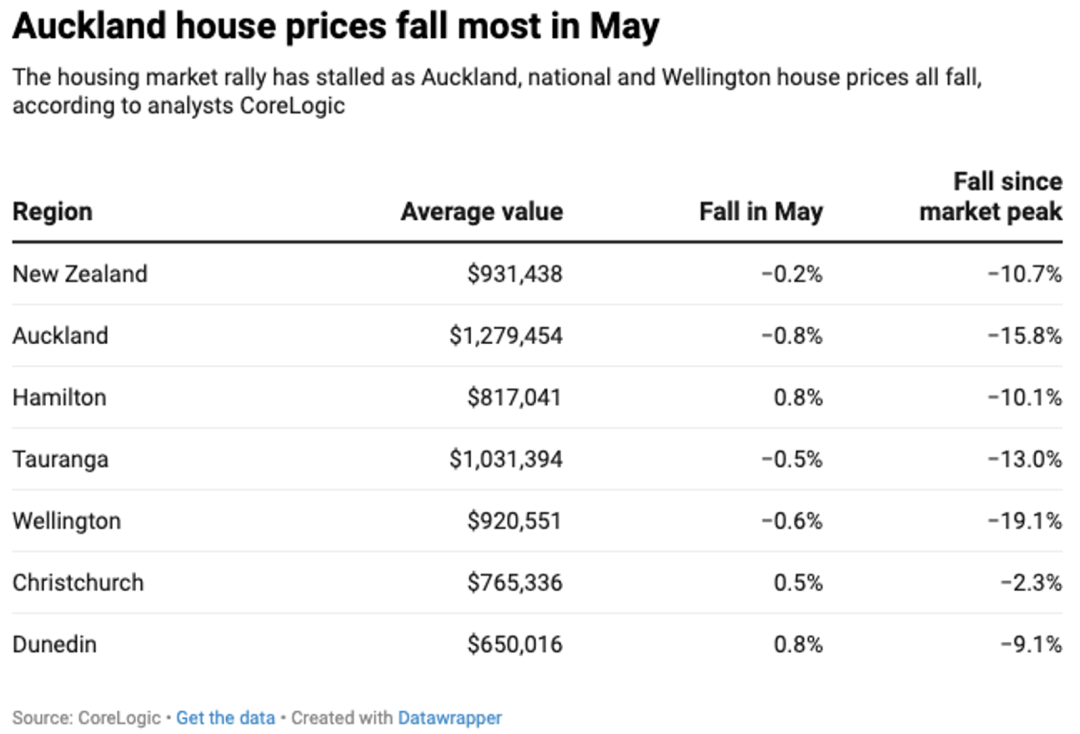
House price changes in New Zealand’s main centres in May (source: CoreLogic)
Auckland records the most pronounced house price decline
Notably, Auckland recorded the largest house price decline among the main regions. Waitakere, in the west, was the only part of the city where prices did not fall, recording 0% growth. In stark contrast, Manukau, in the south, recorded the largest decline, with prices falling 1.4% in May to an average of NZ$1,150,000. The North Shore followed, with prices down 1.2% to an average of NZ$1,460,000.

CoreLogic chief property economist Kelvin Davidson
Davidson said Auckland’s property market had traditionally been seen as leading the rest of the country. Although evidence showed this was not always the case, Auckland had undeniably stood out once again as one of the first cities to record falling house prices. Will Auckland and other main centres return to a buoyant housing market over the coming months? Davidson acknowledged that the market faced several significant challenges, including changes to government housing regulations, a large volume of new listings, and high mortgage rates and unemployment.
Davidson acknowledged that the property market would remain relatively subdued in the second half of 2024 in terms of sales volumes and prices. Housing affordability continued to trouble buyers, and he believed borrowers might have to wait until next year, rather than this year, for substantial mortgage rate cuts, particularly if the government’s forthcoming tax cuts proved to pose a slight risk of higher inflation. He believed removing the First Home Grant was unlikely to have any lasting, significant effect on first-home buyer demand, and debt-to-income limits would not immediately transform the market either. This meant property market activity and house prices would remain relatively stable in the second half of 2024.