
New Zealand's housing minister makes another bold declaration: house prices are still too high and need to fall! This week's key events for investors
Around 6800 properties changed hands last month, up 9% on May last year, but about 15% below the long-term sales average for the month.
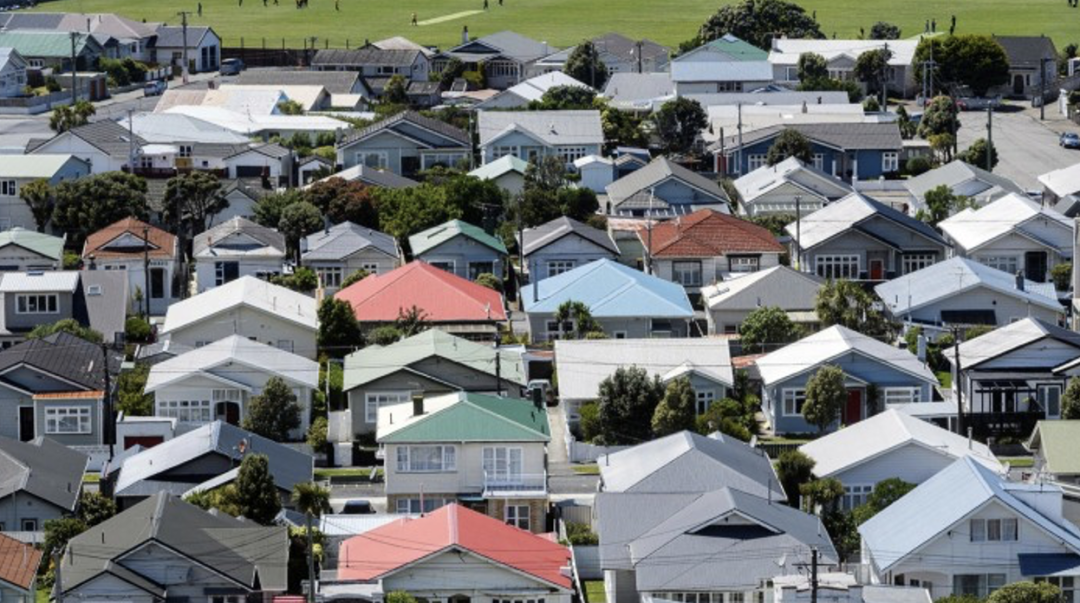
1. Can the National-led coalition government solve the housing affordability problem?
At a press conference last week, New Zealand's Housing Minister Chris Bishop publicly stated: House prices are currently too high, and he wants average prices to keep falling, even if that makes existing homeowners uneasy.
Such comments are indeed very rare among New Zealand politicians, who have traditionally been reluctant to say that house prices should fall. In 2016, then Green Party co-leader Metiria Turei caused quite a stir when she said Auckland house prices needed to fall gradually by about 50%, bringing them down to three to four times the median household income. In 2020, then Prime Minister Jacinda Ardern said she wanted to see modest house price growth, because most people wanted the value of their biggest asset to keep rising.
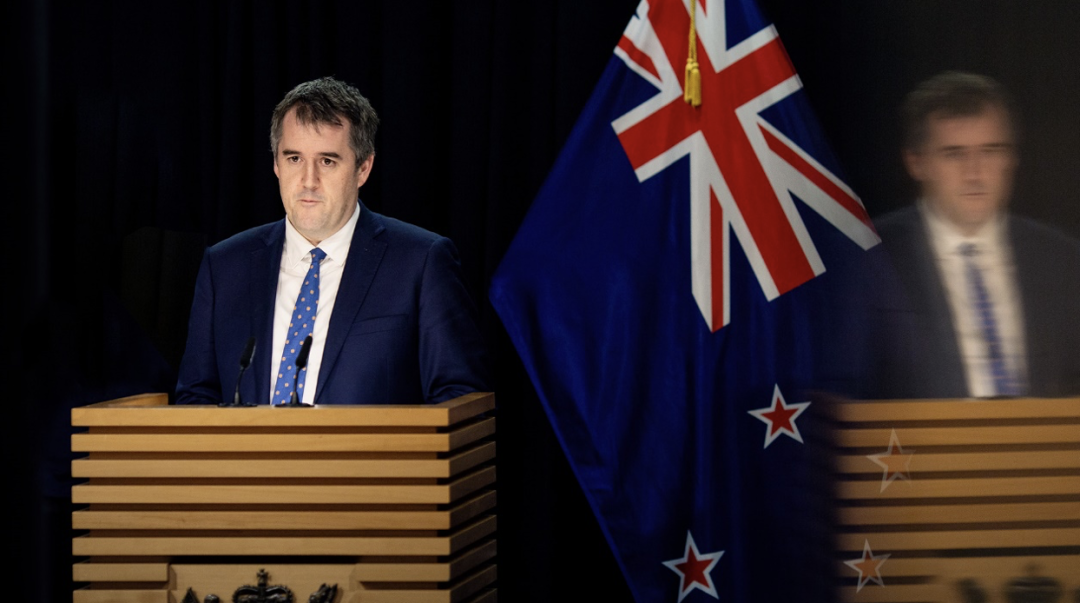
Housing Minister Chris Bishop believes house prices are still too high
Bishop said the government believed ordinary homes were still too expensive and was working to make them more affordable. High average house prices had shut an entire generation out of the housing market. Current prices and the Reserve Bank of New Zealand's loan-to-value ratio restrictions make it difficult for first-home buyers to save enough for a deposit on their first property.
He acknowledged that targeting lower average house prices could leave existing homeowners feeling “a little worried”. However, many also have children who desperately want a home of their own but are currently struggling to achieve that. Over the past twenty years, New Zealand house prices have risen faster than those in any other OECD country, and the government will not let that continue.
2. Has New Zealand's economy emerged from recession?
According to figures released by Stats NZ last week, GDP grew 0.2% over the period from month 1 to March this year, marking the end of New Zealand's latest mild recession. Agriculture made a positive contribution, while other sectors, including manufacturing and construction, contracted. Some economists said that although the recession had ended, GDP could still fall in the second quarter. For people who have lost their jobs, or borrowers struggling with the cost of living and persistently high mortgage rates, the “recession” in their household finances is far from over.
3. Has the property market lost its momentum?
With low employment and weak economic growth, a subdued property market is hardly surprising. Around 6800 properties changed hands last month, up 9% on May last year, but about 15% below the long-term sales average for the month. With supply now exceeding demand, property prices are also under pressure. Many buyers are still choosing to sit tight, which is holding back sales growth to some extent.
4. Will confidence in the business outlook keep falling?
ANZ will release its latest consumer and business confidence survey results this Thursday. Unfortunately, business confidence could hit another low. On the other hand, any easing in inflation expectations would be very encouraging news for the market.
5. Mortgage lending figures will be worth watching in the months ahead
The Reserve Bank of New Zealand will also release mortgage lending figures for May this Thursday. CoreLogic chief property economist Kelvin Davidson said he was keen to see the slow recovery in mortgage lending continue. He stressed that property investors would benefit most from the easing of low-deposit lending rules from 1 July 2024, making high-LVR mortgage lending figures particularly worth watching over the coming months.
6. Are granny flats the next source of property market growth?
New Zealand's coalition government announced plans last week to relax planning rules for granny flats, allowing homeowners to add a small dwelling to their property without applying for resource consent. The structure would still have to comply with the relevant building regulations.
Although it is still difficult to predict how many people will take up this option, research conducted by CoreLogic last year suggested substantial potential for granny flats in Australia. The number of potential sites was estimated to be equivalent to 17.6% of Sydney's existing housing stock, 13.2% in Melbourne and 23.3% in Brisbane. Davidson said more granny flats could be a good way to increase New Zealand's overall supply of homes of different types and sizes, while also offering existing property owners a good opportunity to add value or generate extra income.