
A new trend in Auckland's housing market: is building poor value while existing homes are in demand?
Estimates from Trade Me and CoreLogic suggest that buying a 600 square metre section in Auckland and building a 154 square metre home currently costs around NZ$1,500,000. This estimate assumes construction costs of NZ$4000 per square metre.
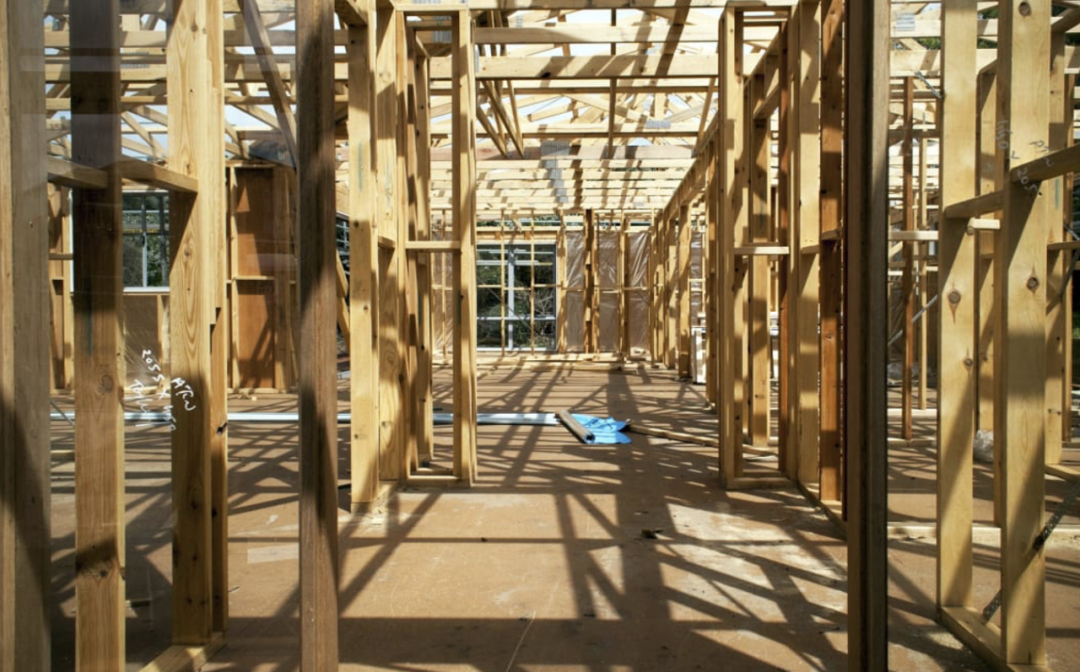
If you have recently considered buying a property, you may have heard this advice: buying an existing home currently costs far less than building your own. New homes have generally been more expensive than existing ones, partly because they are usually built to higher specifications and have lower maintenance costs. However, the price gap is now wider than before, whether you buy a new home from a developer or purchase land and build yourself.
Estimates from Trade Me and CoreLogic suggest that buying a 600 square metre section in Auckland and building a 154 square metre home currently costs around NZ$1,500,000. This estimate assumes construction costs of NZ$4000 per square metre. Yet Auckland's current median asking price is NZ$986,750. Even halving the section to 300 square metres would leave land and construction costs above NZ$1,000,000. In Canterbury, where land is cheaper, building a 158 square metre home on a 637 square metre section costs around NZ$989,000, still well above the region's current median asking price of NZ$688,200.

BNZ chief economist Mike Jones
BNZ chief economist Mike Jones said current market conditions made new builds relatively less appealing. House prices had remained flat or fallen over recent years, while construction costs had risen by 30% to 40%. “The national median house price is currently just below NZ$800,000, while the average cost of a new home is close to NZ$1,000,000. The gap is substantial,” he said. “At a macro level, building a home is currently less attractive than buying an existing property.”

CoreLogic chief property economist Kelvin Davidson
CoreLogic chief property economist Kelvin Davidson said that, although the precise cost of buying land and building was difficult to estimate, the premium for new homes remained. Estimates put the national average price of existing homes at NZ$785,000, compared with NZ$827,000 for new homes. The gap was more pronounced for townhouses, with existing properties averaging NZ$609,000 and new ones NZ$744,000. Data showed that from 2002 to 2024, the premium for new homes ranged from minus 2% to 15%. During the global financial crisis, from mid-2009 to 2011, building a home was at times cheaper than buying an existing one. However, rising construction costs have brought that situation to an end.
Builders attribute the price gap between new and existing homes to the smaller fluctuations in land values. According to the Real Estate Institute of New Zealand, land prices have fallen from their peaks by 9.2% in Auckland and 7.4% in Canterbury, compared with a much larger 16.7% fall in house prices nationwide, demonstrating the continued resilience of land prices. Many developers hold substantial land reserves and have enough funding to maintain their positions, preventing sharp price falls through mortgagee sales. While this has helped stabilise the market, it has also made land prices harder to bring down. As a result, land and building costs remain high, with significant implications for future property development. CoreLogic head of research Nick Goodall said shrinking margins would make it harder for developers to achieve profitable new projects. Although construction cost growth slowed in the second quarter this year, costs fell only slowly, down just 1.1% from a year earlier. Meanwhile, development land remains scarce.

CoreLogic head of research Nick Goodall
In the second quarter this year, just 230 vacant sections were sold in Auckland, compared with 290 in Canterbury and only 79 in Waikato. Developers and buyers are clearly waiting for the market to return to balance, but that may take time. In current market conditions, buyers face a difficult choice between building and purchasing an existing home. Whether buying as an investment or to live in, understanding market trends and assessing their own needs may help them make the wisest decision in this complex property market.