
Another major bank cuts rates! Is New Zealand among the world's least affordable housing markets? A comparison with Australia, the US, Canada, the UK and Japan
Against this backdrop, comparing New Zealand house prices with those in other countries may help us understand the severity of the problem more clearly.
BNZ has announced cuts to some fixed mortgage rates from today, becoming another major commercial bank to make such adjustments following ANZ. The cuts bring BNZ's 6-month, 12-month and 18-month fixed mortgage rates down to 6.75%, 6.19% and 5.89% respectively.
Economists widely expect the Reserve Bank of New Zealand to cut the official cash rate (OCR) by at least 25 basis points at its meeting on 9 October, which may be the main reason major banks are adjusting mortgage rates. Expectations of further monetary easing by the Reserve Bank suggest more mortgage rate cuts could follow. This series of cuts shows banks responding to potential Reserve Bank rate reductions while offering borrowers more favourable lending terms. More banks are expected to follow this trend in the coming weeks, pushing mortgage rates down further.
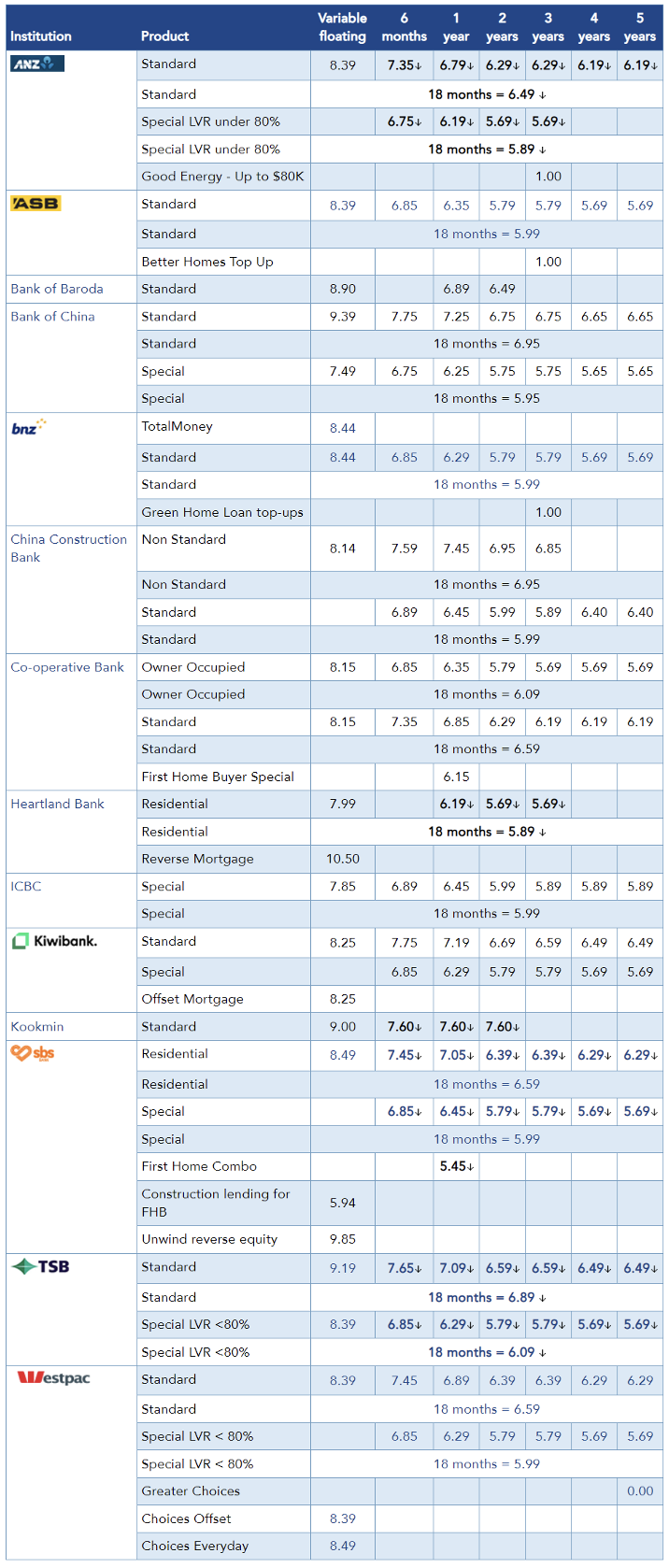
Latest lending rates from commercial banks
Source: interest.co.nz/borrowing
Is New Zealand among the world's least affordable housing markets?
Once regarded as a dream destination for homebuyers, New Zealand's housing market now faces a severe affordability crisis. The country's home ownership rate currently stands at just 60% and continues to fall. Housing advocate Charles Waldegrave says New Zealand housing is considered among the least affordable in the Organisation for Economic Co-operation and Development (OECD), and the country is experiencing a “collapse in home ownership”.
According to the latest QV data, New Zealand's average house price in 2024 was NZ$905,357. Although it fell over the past three months, declining by 2%, prices remain high. In 2024, New Zealand house prices had reached 7 times annual household income, while average annual household income in New Zealand was NZ$126,411. Despite the fall in house prices, this price-to-income ratio still points to a severe affordability problem.
Waldegrave noted that things had not always been this way in New Zealand. In the early 90s of the 20th century, the government strongly supported home ownership and affordable housing. It provided security by ensuring people could afford to buy a home and gradually repay their mortgage over their lifetime, while offering state housing with lifetime tenure to those unable to buy. However, these support policies were progressively dismantled in recent decades, along with homebuying subsidies and lifetime tenure for state housing. Waldegrave recalled that in the 60s of the 20th century, New Zealand's family benefit capitalisation scheme could provide a house deposit equivalent to a third of the price of a home at the time. Even in the 80s, the government was still providing homebuyers with subsidies averaging 20% of the purchase price.
In the past, New Zealand's private rental market was small, and buying a home was more affordable than renting. This helped home ownership reach a peak of 75%. However, following rapid price increases, New Zealand's average house price has now reached NZ$800,000, with a price-to-income ratio far higher than in other OECD countries, second only to Australia.
Against this backdrop, comparing New Zealand house prices with those in other countries may help us understand the severity of the problem more clearly.
How New Zealand house prices compare with other countries
Australia
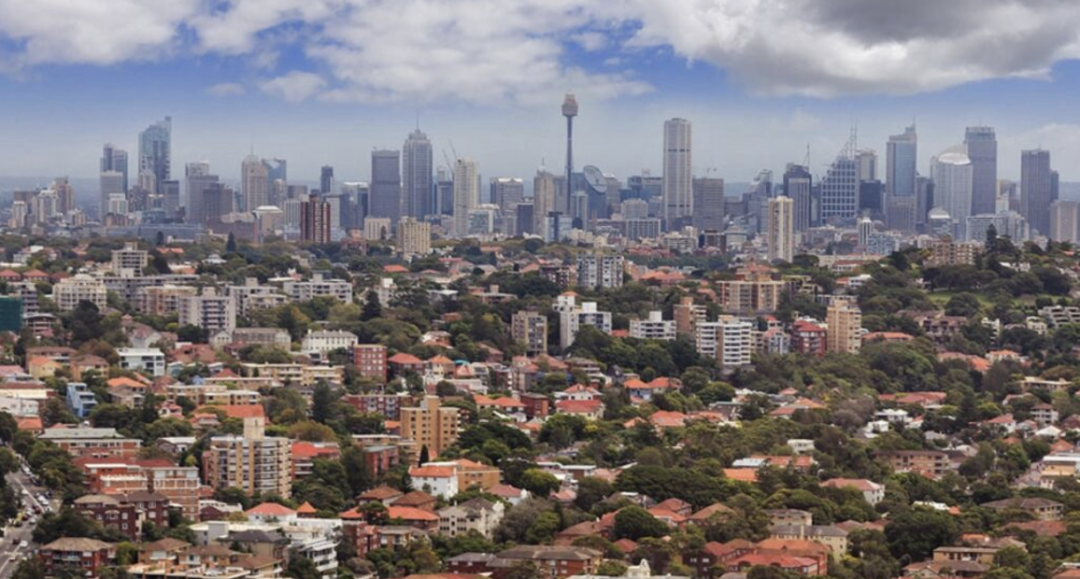
First, let us compare New Zealand with neighbouring Australia. In March 2024, Australia's average house price was A$959,300 (about NZ$1,039,579), slightly higher than New Zealand's. New South Wales (NSW) had the highest prices, at NZ$1,313,426, while the Northern Territory had the lowest, at NZ$554,196. Although Australian house prices are also high, its income-to-house-price ratio is more favourable. Australians earn an average annual income of NZ$106,122, while homebuyers typically need an annual income of around NZ$237,996 to afford a home.
United States
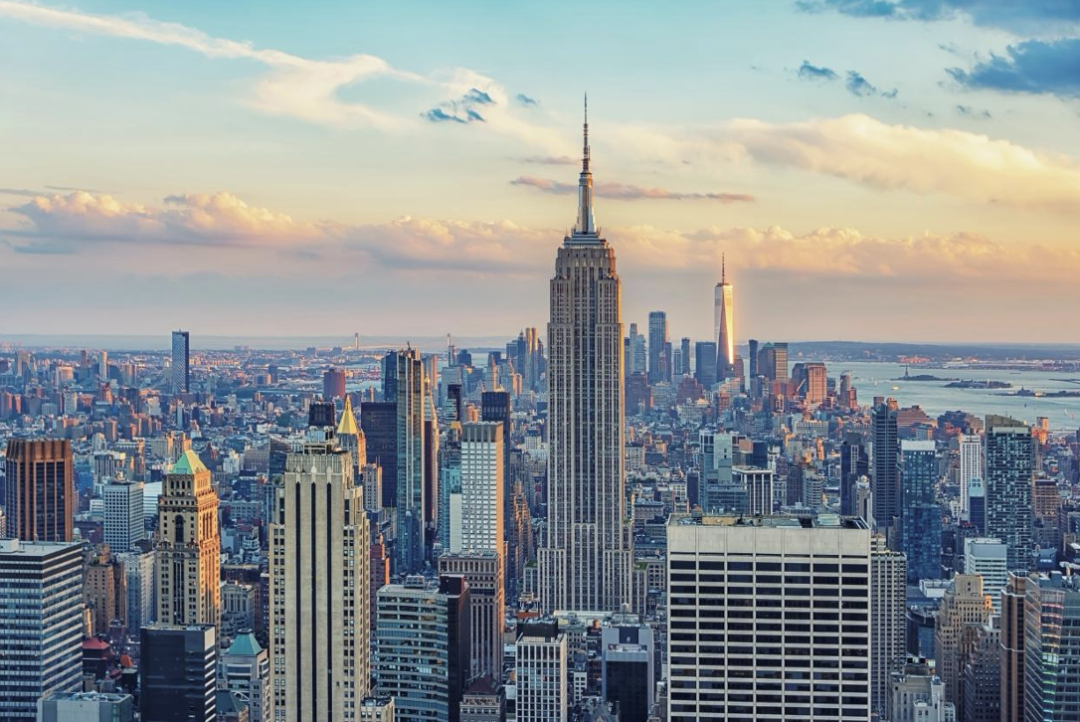
US house prices have eased in recent years. In the second quarter of 2024, the average house price was US$412,300 (about NZ$671,389). Hawaii had the highest prices, at US$986,887 (about NZ$1,607,046), while the cheapest state, West Virginia, averaged just NZ$273,841. Despite high US house prices, the price-to-income ratio is relatively moderate, with homes costing five times annual household income.
Canada
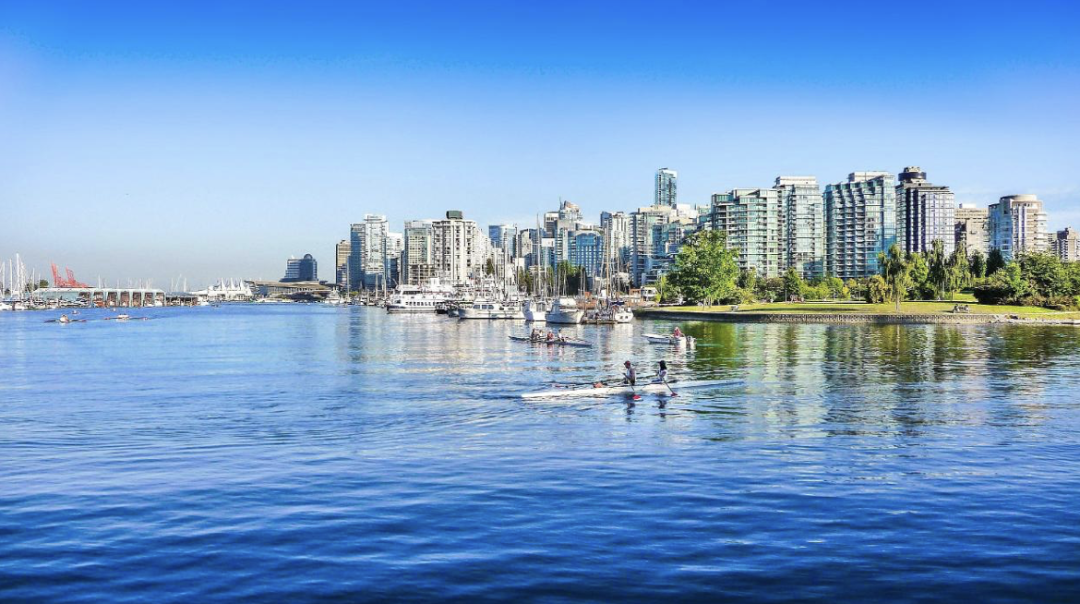
Canada's housing market has also cooled in recent years. In July 2024, the average house price was C$667,317 (about NZ$801,340), down 4.1% from June. British Columbia (British Columbia) had the most expensive homes, at NZ$1,152,181, while prices in all other provinces were below NZ$603,656. Housing affordability in Canada is similar to New Zealand's, with buyers needing an annual income close to NZ$293,783 to buy in cities such as Toronto.
United Kingdom
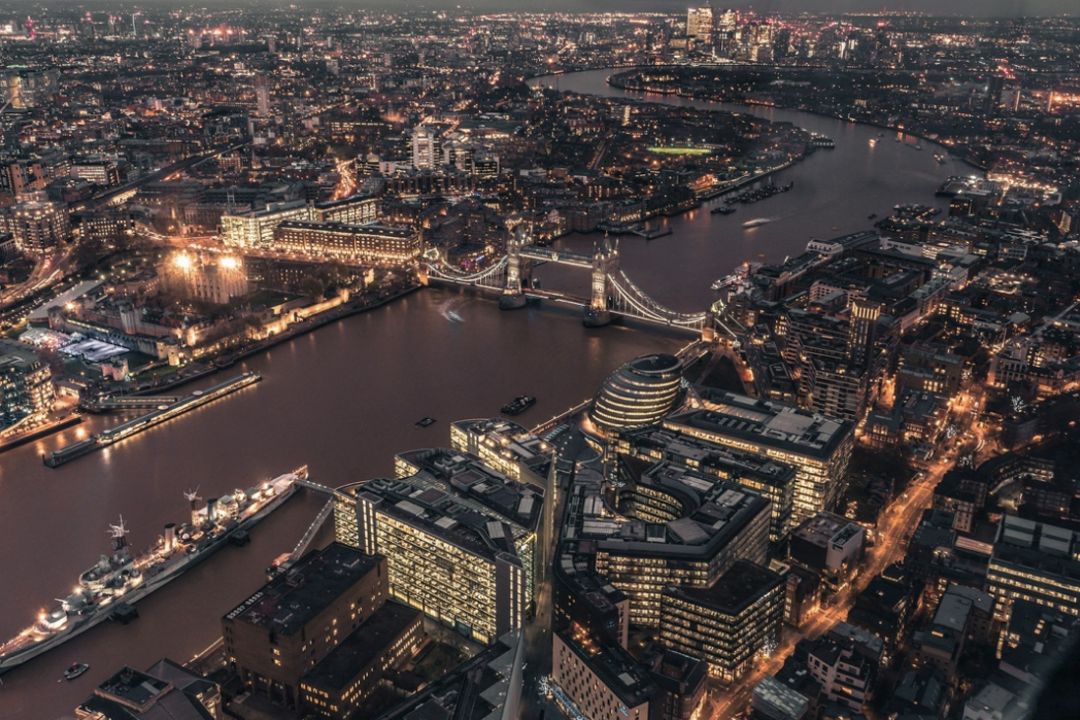
UK house prices are relatively moderate overall, averaging £288,000 (about NZ$612,817) in June 2024. England had the highest prices, at NZ$648,991, while Northern Ireland had the lowest, at just NZ$393,650. The UK's price-to-income ratio is relatively high: in England, buyers need to spend 8.3 times their annual income to purchase a home, an even higher ratio than New Zealand's.
Japan

In Japan, the average house price in 2024 was ¥35,760,000 (about NZ$406,448). Tokyo had the most expensive housing, at NZ$8214 per square metre, with buyers needing around NZ$542,000 to purchase a typical family home of 66 square metres. Alongside high prices, Japan's price-to-income ratio is even more extreme, reaching 114.4 and indicating severe unaffordability.
The far-reaching effects of the housing crisis
Charles Waldegrave said New Zealand's housing market was now “out of control”. Rising prices have not only reduced home ownership but also deepened social inequality. He warned that shortages in the private rental market and rising rents were forcing more people into state housing or emergency accommodation. Housing affordability has become a major contributor to poverty in New Zealand. Compared with other countries, New Zealand's house prices remain high and its affordability problems are more severe. Waldegrave recommended that the government take steps to stabilise home ownership and help buyers unable to afford the full purchase price through measures such as rent-to-buy schemes and shared ownership. He urged the government to prioritise housing market stability to address this increasingly serious social problem.