
Government announces major easing of overseas investment rules! Could borrowing power rise significantly as major banks cut mortgage test rates? This week's key developments for property investors
The OCR cut is expected to increase borrowers' borrowing capacity, particularly for first-home buyers and customers making early mortgage repayments. According to the New Zealand Banking Association, as at June 2024, New Zealand had 1,380,000 mortgages held by 1,140,000 customers

1
David Seymour reveals government plans to ease overseas investment rules
On 12 October 2024, Associate Finance Minister David Seymour announced that the New Zealand Government would reform the Overseas Investment Act to simplify the process for foreign investors buying New Zealand businesses and property. He said New Zealand's current policies were the strictest among developed countries, resulting in high compliance costs and investment delays that hampered economic development and wage growth.
Seymour stressed that the core of the new policy was to change the investment approval process, allowing foreign investment where there was a willing buyer and seller and no harm to the national interest. He also said foreign investment should be regarded as a “vote of confidence” in New Zealand's future. The Government plans to pass the relevant legislative amendments by the end of 2025.
2
Banks cut mortgage test rates, potentially boosting borrowing capacity significantly
After the Reserve Bank of New Zealand cut the Official Cash Rate (OCR) by 50 basis points to 4.75% last Wednesday, some major banks have lowered, or plan to lower, the stress-test rates used to assess mortgage affordability. Westpac moved first, cutting its test rate from 8.65% to 8.15%, effective 14 October (today). As at 30 June, the bank's outstanding mortgage balance was NZ$67,209,000,000 (its exposure, meaning the unprotected credit balance potentially at risk if borrowers default).
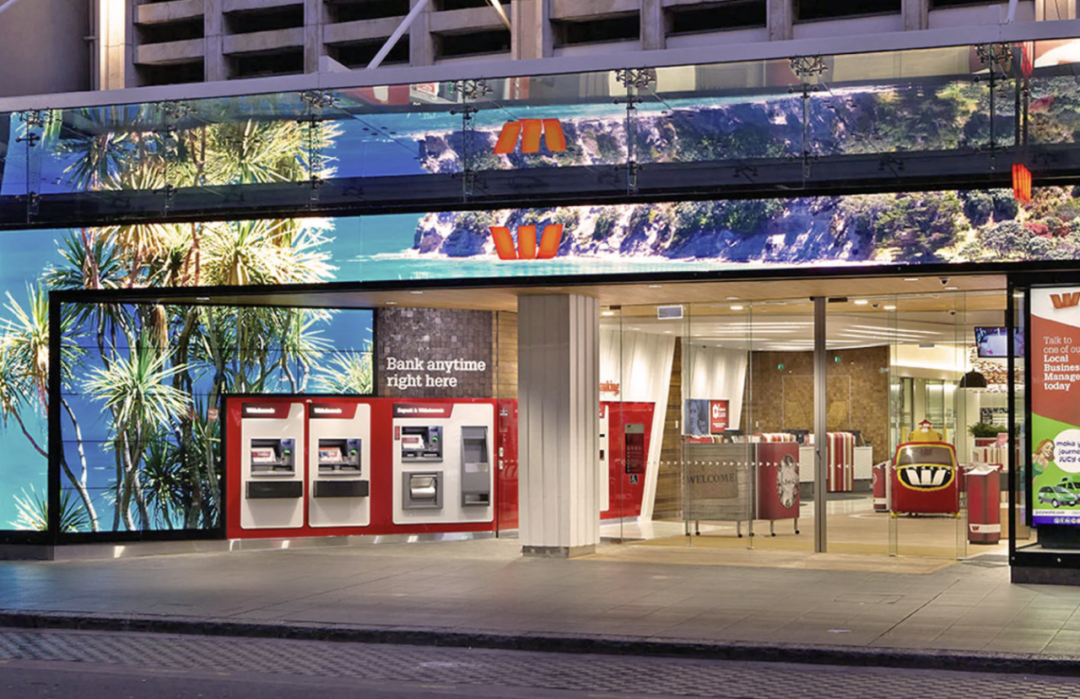
ANZ's current mortgage test rate is 8.5%. As New Zealand's largest mortgage lender, it has an outstanding mortgage balance of NZ$108,149,000,000. Kiwibank's test rate is also 8.5% and is under review; its outstanding mortgage balance is NZ$26,945,000,000. BNZ says its current test rate is 8.5% and will be reassessed in light of the Reserve Bank's OCR decision. BNZ's outstanding mortgage balance is NZ$59,588,000,000. ASB has yet to confirm whether it will make a cut. Its current test rate is 8.7%, and its outstanding mortgage balance is NZ$74,401,000,000.
The OCR cut is expected to increase borrowers' borrowing capacity, particularly for first-home buyers and customers making early mortgage repayments. According to the New Zealand Banking Association, as at June 2024, New Zealand had 1,380,000 mortgages held by 1,140,000 customers. The average loan amount was NZ$318,151, while the average for first-home buyers was NZ$472,361.
3
Shorter mortgage terms gain favour
As interest rates fall, more new borrowers and those refixing their mortgages are choosing shorter fixed terms. In August this year, mortgages fixed for 6 months accounted for 39% of total new lending, a significant increase from 7% in December last year. Although the 6-month rate (6.7%) remains higher than the 12-month rate (6.2%), many borrowers are betting that short-term rates will continue falling, delivering greater benefits.
4
Focus on inflation data
Future interest rate movements will depend heavily on the upcoming Consumer Price Index (CPI) data. The Reserve Bank of New Zealand expects third-quarter inflation to fall to 2.3% from 3.3% in the second quarter. This would mark its first return to the 1–3% target range since the first quarter of 2021. A lower-than-expected result could further support the prospect of another 50-basis-point cut on 27 November.
5
Net migration and rent growth continue to slow

The latest survey data shows net migration inflows continuing to fall sharply, alongside slowing rent growth. Rents for new tenancies in September rose just 1.2% year on year, well below the long-term average of 3.2%. Although property demand has not fallen substantially, supply is ample and the balance between supply and demand is becoming more settled.
6
Economy continues to show signs of weakness
Economic data remains weak, with both the BNZ–BusinessNZ Performance of Services Index and electronic card spending data showing persistently subdued economic activity. Services account for two-thirds of New Zealand's economy, and the weak economic environment could put further pressure on employment while continuing to constrain the housing market.