
New housing construction trends: detached homes and retirement villages recover as apartments and townhouses cool? Which New Zealand districts have seen the steepest house price falls since the peak?
The latest figures show a structural shift in New Zealand’s residential construction market, with quarterly increases in building consents accompanied by clear changes in the types of homes being approved.
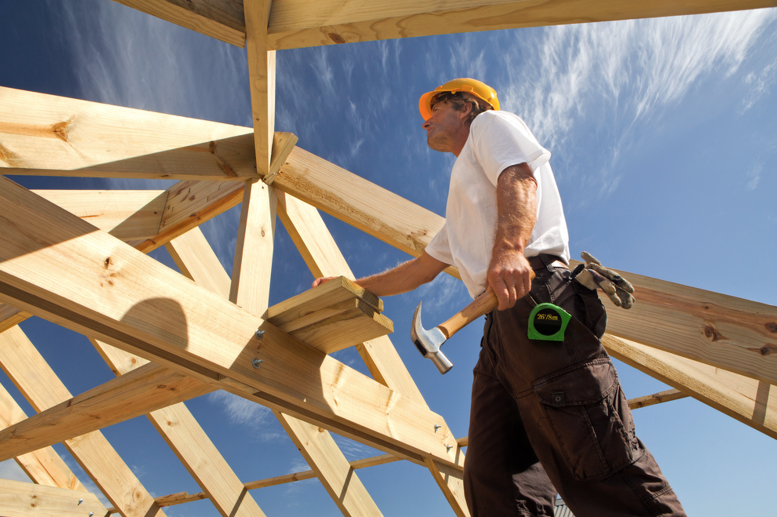
Building consent numbers recover for consecutive quarters
The latest figures show a structural shift in New Zealand’s residential construction market, with quarterly increases in building consents accompanied by clear changes in the types of homes being approved.
According to Stats NZ, building consents were issued for 9176 new homes in the third quarter (Q3) of 2024, broadly unchanged from 9126 in the same period last year, but up 9.8% from this year’s second quarter. This marked a second consecutive quarterly increase in new dwelling consents, ending a decline lasting 18 months.
Nevertheless, the total number of newly consented homes remains well below the record peak in the third quarter of 2021, when 13,251 new homes were approved. The current total is 30.8% below that peak. The estimated total value of new residential construction work, excluding alterations, has also fallen from NZ$5,494,000,000 to NZ$4,142,000,000, a decline of 24.6%. This shows that the reduction in building consents since the end of 2022 continues to have a significant impact on the construction industry. Encouragingly, the latest figures offer hope that new residential construction activity may have bottomed out.
More notably, the types of new homes being consented are also changing significantly. The figures show substantial increases in consents for detached homes and retirement villages, while consents for apartments and townhouses have declined.
According to Stats NZ, building consents were issued for 9176 new homes in the third quarter (Q3) of 2024, broadly unchanged from 9126 in the same period last year, but up 9.8% from this year’s second quarter. This marked a second consecutive quarterly increase in new dwelling consents, ending a decline lasting 18 months.
Nevertheless, the total number of newly consented homes remains well below the record peak in the third quarter of 2021, when 13,251 new homes were approved. The current total is 30.8% below that peak. The estimated total value of new residential construction work, excluding alterations, has also fallen from NZ$5,494,000,000 to NZ$4,142,000,000, a decline of 24.6%. This shows that the reduction in building consents since the end of 2022 continues to have a significant impact on the construction industry. Encouragingly, the latest figures offer hope that new residential construction activity may have bottomed out.
More notably, the types of new homes being consented are also changing significantly. The figures show substantial increases in consents for detached homes and retirement villages, while consents for apartments and townhouses have declined.
Detached homes recover again
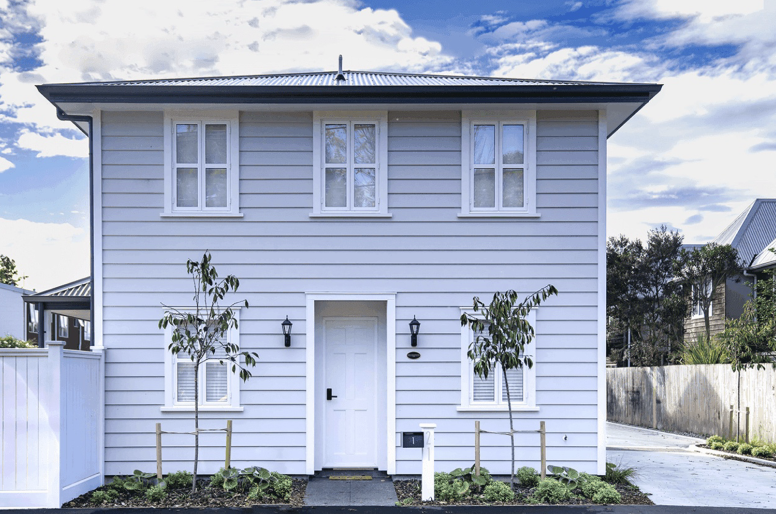
For years, apartments and multi-unit housing have been the main drivers of growth in New Zealand’s residential market, while building consents for detached homes have steadily declined. However, the latest figures show this trend reversing. In the first quarter of 2024, detached home consents fell to a recent low of just 3447. They then rose for consecutive quarters, reaching 4031 in the second quarter and 4485 in the third, an annual increase of 17.7%. This shift indicates a recovery in buyer demand for low-density housing, perhaps reflecting higher expectations for living space and residential surroundings.
Retirement village construction gathers pace
Expansion in the aged-care housing market was another highlight of the third quarter. Building consents were approved for 706 retirement villages, double the second-quarter figure and up 32.7% from the same period last year. This reflects growing demand for retirement housing from an ageing population. Growth in this housing category also signals a shift in developers’ strategies towards meeting the needs of specific groups.
Apartment and townhouse numbers contract
In stark contrast to the active construction of detached homes and aged-care housing, building consents for apartments and townhouses remain subdued. Just 424 new apartment projects were approved nationwide in the third quarter, down 28% from the same period last year and a striking 69.3% below the third quarter of 2022. The average floor area of consented apartments also shrank to 80 square metres, the lowest in 13 years. This suggests developers are turning to smaller, more economical designs in response to rising costs and changing market demand. The outlook for townhouses is similarly discouraging. Consents were issued for 3561 townhouses in the third quarter, down 19.7% from the same period last year and 33% below 2022.
Since New Zealand’s housing market peak,
which districts have seen the steepest falls?
South Wairarapa District: down 32%
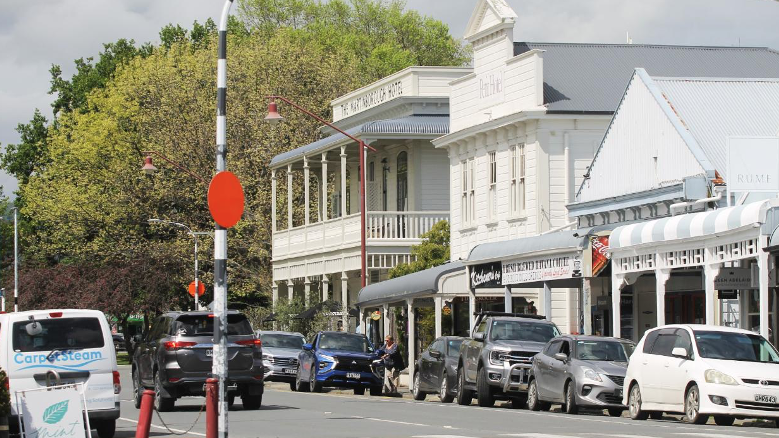
House prices in South Wairarapa District have fallen 31.87% since peaking in December 2021. Its main towns—Martinborough, Greytown and Featherston—have all recorded declines in median house prices over the past year. Martinborough’s median house price is $877,400. Although it is the district’s second most expensive town, it recorded the largest fall, with prices down 5% overall. Greytown’s median house price fell 3.1%, while Featherston had the smallest decline, at just 1.4%. By contrast, Masterton, to the north of the district, has shown a different trend. Median house prices in Masterton suburbs including Solway, Kuripuni and Lansdowne rose by 2.5% to 3.3% over the past year.
Lower Hutt City: down 29%
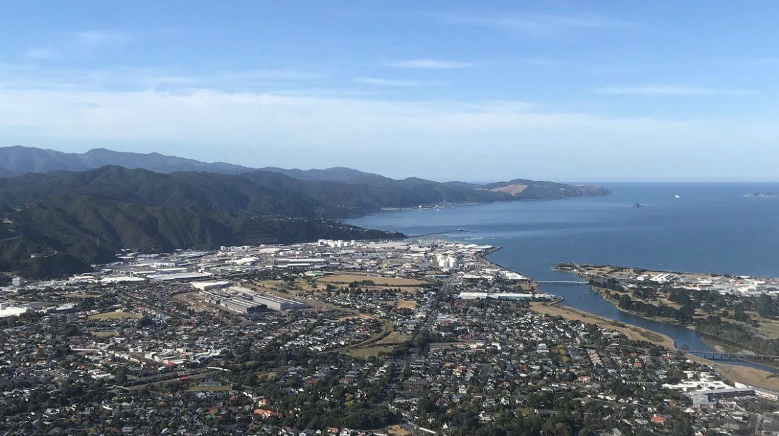
House prices in Lower Hutt City have fallen 28.68% since their peak in October 2021. Woburn, its most expensive suburb, has a median house price of nearly NZ$1,150,000. Neighbouring Waterloo bucked the trend, with its median house price rising 2.7% over the past 12 months to $841,050, the largest increase of any suburb in the city. In Naenae, the city’s most affordable suburb, house prices remain relatively low, averaging around $609,800.
Kawerau District: down 29%
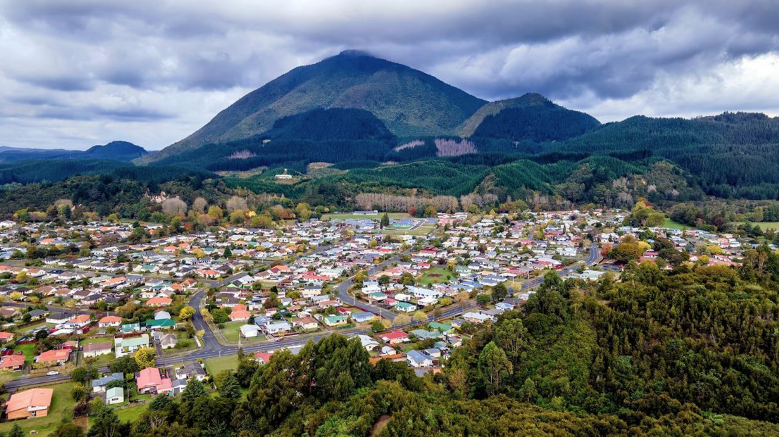
In Kawerau District, between Rotorua and Whakatane, house prices have fallen 28.51% since peaking in April 2022. The district’s median house price is now $399,550. Despite an annual increase of 1.1%, Kawerau remains the most affordable place to buy a home in the Bay of Plenty. In stark contrast, the region’s most expensive suburb, Mt Maunganui, has a median house price exceeding NZ$1,300,000.
Ruapehu District: down 25%
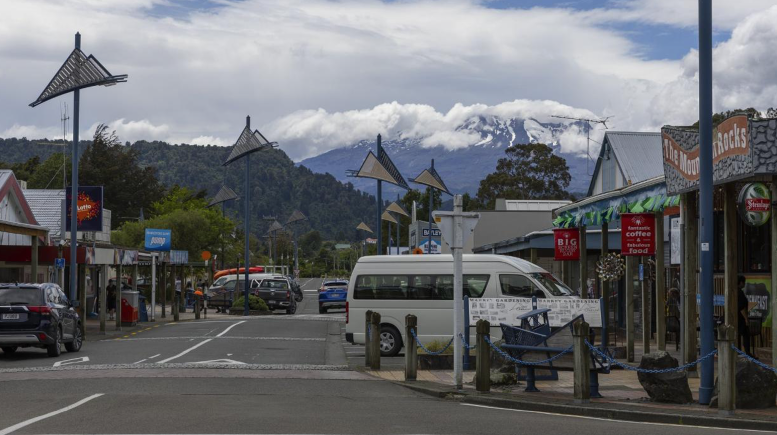
House prices in Ruapehu District have fallen 25.28% since peaking in April 2022. Ohakune’s median house price is $455,550, down 3.8% over the past year. Manunui, east of Taumarunui, is the district’s most affordable place to buy, with a median house price of just $318,600.
Wellington City: down 25%
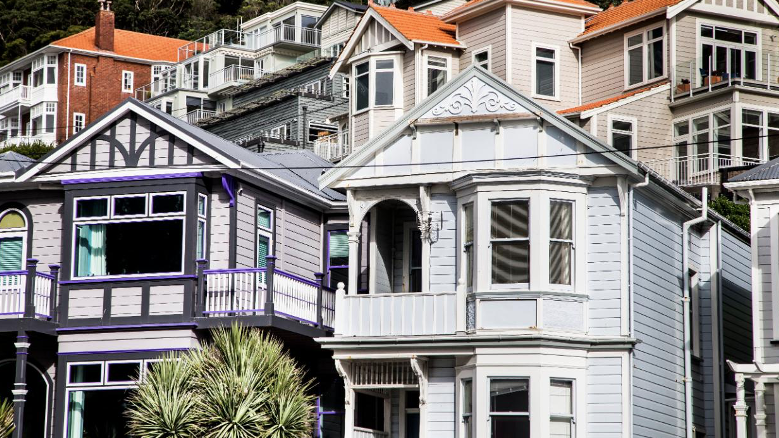
New Zealand’s capital, Wellington City, also ranks among the areas with the largest house price falls. Prices have fallen 24.77% overall since peaking in October 2021. Seatoun, the city’s most expensive suburb, has an average house price of $1,697,100. Although house prices in Wellington Central rose 3.2% over the past year, its median of $475,750 makes it the city’s most affordable area. Elsewhere, however, prices continue to fall. For example, Rongotai’s median house price dropped 11% over the past year to $844,900, the largest decline of any suburb in the city.