
Five years of gains wiped out! House prices return to 2020 levels and stock hits an 11-year high — is New Zealand’s housing market only beginning its real test?
In February 2020, New Zealand had yet to enter lockdown, the Official Cash Rate was at a historic low and the property market was operating steadily. Now, six years later, the latest figures show house prices in 20 suburbs nationwide have returned to pre-pandemic levels, while another 84 have recorded gains of less than 10% over six years.
In February 2020, New Zealand had yet to enter lockdown, the Official Cash Rate was at a historic low and the property market was operating steadily. Now, six years later, the latest figures show house prices in 20 suburbs nationwide have returned to pre-pandemic levels, while another 84 have recorded gains of less than 10% over six years.
Over five years, the market appears to have come full circle. But this time it has entered a completely different phase.
20 suburbs see house prices return to pre-pandemic levels: established areas are adjusting too
Among the 926 suburbs with more than 20 home sales over the past year, most still have prices above pre-pandemic levels. However, average values in 20 suburbs have fallen below their February 2020 levels, with some declines approaching 20%.
These include established Auckland and Wellington neighbourhoods long regarded as premium property locations.
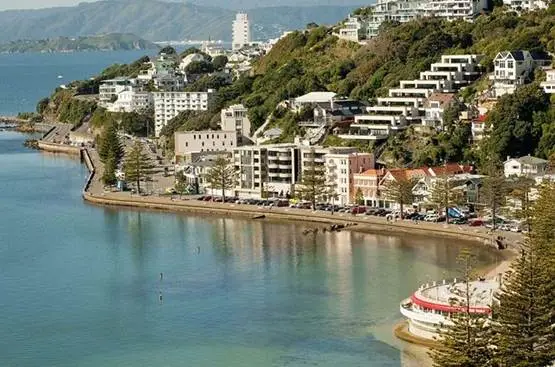
For example, the average value in Wellington’s Oriental Bay is NZ$185,000 below its pre-pandemic level; Auckland’s Grey Lynn is NZ$145,000 below its level five years ago, and Ellerslie is NZ$141,000 lower. Apartment-heavy areas such as Auckland’s CBD, Grafton and Eden Terrace have never fully recovered since investor demand receded.
Another type of adjustment is more structural. Suburbs such as Totara Park, Point England and Te Atatu Peninsula have seen large numbers of townhouses come onto the market in recent years, significantly increasing housing density. In Totara Park, for example, the number of homes has risen from around 200 in 2020 to around 500 today. Most new homes occupy smaller sections and have lower overall prices, directly pulling down the suburb’s average value.
The price correction reflects more than shrinking demand: it is a repricing following changes in the composition of supply.
Nationwide: almost no growth once the peak is excluded
The national average house value is currently NZ$961,000, just 1.9% above the cyclical low of NZ$943,000 in May 2023. Excluding the pandemic peak from 2021 to 2022, national house prices have been virtually flat over the past five years.
Auckland’s trajectory is particularly telling. Its current average value of NZ$1,250,000 is 3.5% below February 2025, 5.4% below the same period in 2024, and 3% below the same period in 2021. In other words, the gains made during the pandemic have largely been unwound.
Meanwhile, price growth is concentrated in more affordable areas. Southland rose 2.5% over the past quarter, taking its average value to a record NZ$582,000; Marlborough rose 1.9%; and Waitomo and Kawerau both gained more than 4%, with average values still below NZ$500,000.
Money is being deployed more cautiously and pragmatically.
Stock reaches an 11-year high: buyers gain greater bargaining power
If the return of prices to earlier levels is the first layer of change, rising supply is a deeper signal.
In February, Realestate.co.nz recorded 12,252 new listings, up 7.8% year on year and the highest for that month since 2013. The website’s stock of properties for sale reached 36,357, an 11-year high for the same time of year.
The regions with the fastest growth in new listings included Central North Island (+25%), Taranaki (+22.3%), Marlborough (+21.1%) and Manawatu/Whanganui (+20.9%). Auckland also recorded growth of 10.8%.
As supply rose, the national average asking price edged up just 0.1% to NZ$849,000.
More listings have not brought a price rebound. This means the market has entered a more prolonged period of negotiation: competition between sellers is intensifying, there is more room to negotiate, and sales are taking longer.
The interest rate environment has changed
Many buyers instinctively wonder: if house prices are back at pre-pandemic levels, does that mean they now offer “better value”?
The problem is that the ultra-low interest rates of 2020 are now history. Even where deposit requirements have fallen, borrowing costs are far higher than they were then. Prices may appear to have returned to their starting point, but financing conditions are completely different.
This also explains why high stock levels have not been accompanied by a clear rebound. What the market lacks is low-cost funding, rather than properties for sale.
The market is diverging rather than crashing
This adjustment has not involved a cliff-edge fall. 609 suburbs with recorded sales still posted gains over the past quarter. Regions including Southland and Marlborough reached cyclical highs; Queenstown-Lakes slipped slightly by 0.7%, but its average value remained at NZ$2,120,000; and Dunedin’s growth slowed but remained positive.
The real changes are a restructuring within the market and a shift in the pace of the cycle.
Earlier gains were driven more by liquidity. Today, pricing is returning to income levels, employment conditions and affordability. Higher-density development is changing the valuation model in parts of some cities, while regional markets are supported by lower entry prices.
As the pandemic windfall fades, New Zealand’s housing market has returned to fundamentals rather than collapsed.