
Construction costs cool and nearly 40,000 new homes approved! New Zealand's construction sector reaches a recovery turning point, but the real challenge is only beginning
New Zealand's construction sector has endured a difficult period in recent years. High inflation, rising building material prices, volatile international oil prices and a persistently subdued housing market have slowed or stalled many developments, while construction firms have widely faced fewer orders and pressure on profits.
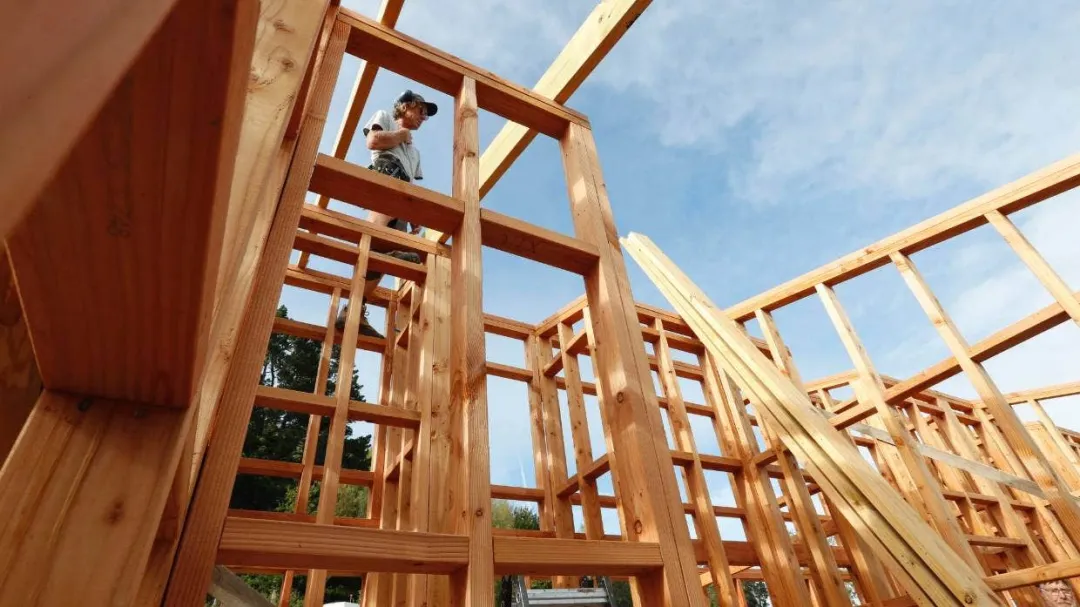
New Zealand's construction sector has endured a difficult period in recent years. High inflation, rising building material prices, volatile international oil prices and a persistently subdued housing market have slowed or stalled many developments, while construction firms have widely faced fewer orders and pressure on profits.
Several sets of fresh data released in recent days have, however, offered the market some long-awaited positive signs.
Construction cost increases are starting to slow, new dwelling approvals are rising again nationwide, and developer confidence is recovering. But as more projects restart, a new test is emerging: does the sector have enough construction capacity to actually build these approved homes?
Construction cost increases finally ease
Tensions in the Middle East recently pushed up international oil prices, a development to which the construction sector is particularly sensitive.
Diesel affects not only transport costs but also earthworks, heavy machinery operations and building material deliveries directly. Rising oil prices therefore prompted widespread concern that construction costs would enter another period of rapid increases.
However, QV's latest CostBuilder data shows that construction costs had broadly stabilised in June.
The data shows diesel prices fell a further 6.5%, bringing down costs across several trades reliant on machinery and transport. Earthworks costs fell 1.5%, while site preparation, foundation work, piling, demolition and external works also recorded small declines. Costs for some concrete-related work fell as well.
Although some trades, including plumbing and carpentry, still recorded small increases because of price rises for certain products, construction costs overall are no longer climbing as quickly as in recent months.
QV quantity surveyor Martin Bisset said that although diesel prices had fallen markedly, they remained around 50% higher than at the start of this year. Changes in international conditions could still cause fluctuations, so developers should retain some flexibility in project budgets.
Analysis from Cotality and Infometrics reached similar conclusions. Both expect residential construction costs to keep rising, but say the pace of increases has stabilised and is unlikely to repeat the sustained sharp rises seen a few years ago.
New home approvals rebound as developer confidence returns
As cost pressures ease, developers are beginning to restart projects.
The latest Statistics NZ data shows that 39,737 new dwellings were approved nationwide in the 12 months to the end of May this year, up 19% on the same period last year, ending three consecutive years of annual declines.
These included 18,271 standalone houses, up 17% year on year, and 17,230 townhouses and home units, up 22.3%. Apartment approvals rose 20%, while retirement village dwellings also recorded modest growth.
Meanwhile, the total value of new residential projects reached NZ$17,872,000,000, up 18% year on year. The value of residential renovation and alteration work also returned to growth, ending two consecutive years of decline.
These figures show that as market conditions gradually improve, more developers are planning projects again, and confidence in the future housing market is slowly returning.
Commercial property, however, remains relatively weak.
The value of consents for non-residential buildings, including offices, factories, schools and hospitals, fell 4% year on year. This was the third consecutive annual decline, reflecting continued caution in business investment.
More approvals do not mean faster building
The increase in dwelling approvals is undoubtedly a positive sign.
But approval is only the first step. What ultimately determines housing supply is whether these projects can be successfully completed.
New Zealand does not yet have a comprehensive national system for tracking new dwelling completions. However, Auckland Council's Code Compliance Certificate (CCC) data provides an important window into the market.
Generally, it takes around two years for a dwelling to progress from building consent to receiving its CCC.
The data shows that before the pandemic, Auckland's dwelling approvals and eventual completions largely kept pace with each other, with most approved projects ultimately being built successfully.
However, the situation began to change in 2022.
Pandemic supply chain disruptions and labour shortages, combined with limited construction capacity, meant dwelling approvals rose rapidly while actual completions consistently failed to keep up.
The result was a large backlog of approved residential projects in the construction pipeline.
There is no comprehensive data on whether these projects were cancelled, delayed or revised. Industry participants believe all three may have occurred.
It was not until the middle of 2025 that this backlog began to ease, with dwelling approvals and actual completions returning to balance.
A fresh set of challenges has emerged
However, as dwelling approvals rise again, the construction sector is likely to face renewed pressure.
In the year to May this year, Auckland approved 16,862 new dwellings, while around 14,010 new dwellings received a CCC over the same period.
On current trends, Auckland's residential construction sector will need to increase its construction capacity by around 20% over the next two years to complete all these homes already in planning on time.
If construction firms cannot recruit more staff, expand their operations and improve supply chain efficiency in time, the pattern seen in recent years could well recur: approvals keep increasing, but the number of new homes actually reaching the market fails to keep pace.
The sector is entering a new phase of competition
Taken together, recent data suggests New Zealand's construction sector is entering a new phase of development.
In recent years, the sector's greatest concerns were continually rising costs and difficulties progressing developments. Now, with oil prices falling, construction costs stabilising and dwelling approvals continuing to increase, the market is slowly emerging from its downturn.
The sector's problems have not disappeared, however; they have changed.
What determines the pace of housing supply in future may no longer be construction costs, but whether construction firms have enough people, equipment and building capacity to complete the growing number of approved projects on schedule.
For developers, this is an important window to reposition themselves in the market. For construction firms, it means new orders and opportunities. For prospective homebuyers, what deserves closer attention than new home approval figures is whether these approved homes can ultimately be completed successfully and brought to market.
Construction costs are cooling and developers are returning to the market, but the real new test for New Zealand's construction sector may only just be beginning.