
GDP grows 2.7%, crane count rises to 106: strong signs of recovery for New Zealand construction?
After a prolonged downturn, New Zealand’s construction industry is seeing a series of positive signs.
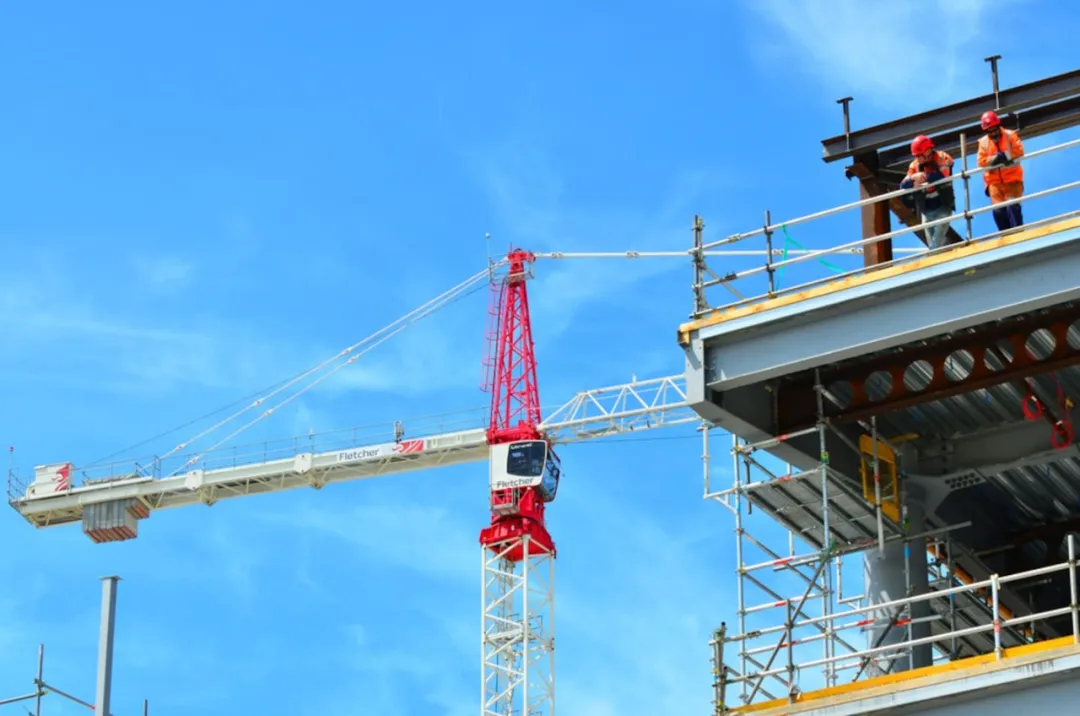
After a prolonged downturn, New Zealand’s construction industry is seeing a series of positive signs.
According to the latest data published by the New Zealand Herald, construction gross domestic product (GDP) grew 2.7% last quarter, making it a significant driver of economic growth for the quarter, while the overall economy grew just 0.2%. Seasonally adjusted construction activity in the June quarter rose 6% from the previous quarter; construction employment in July was also up by around 4900 people from the start of the year.
Changes are also beginning to show on building sites. The latest report from construction cost consultancy Rider Levett Bucknall (RLB) shows that the number of long-term cranes nationwide rose from 102 three months earlier to 106. Although the increase is modest, viewed alongside output, construction volumes and employment data, the signs that the industry is emerging from its slump are becoming clearer.
Construction activity grows as employment recovers
Construction GDP grew 2.7% last quarter, marking the first significant quarterly increase since the current downturn began. Before this, Stats NZ’s average annual GDP data showed that construction output had fallen 12.2% over the two years to March this year.
Construction activity data, which more directly reflects workloads on building sites, also improved markedly. Seasonally adjusted construction activity in the June quarter rose 6% from the March quarter. Although this was still 10.6% below the level in the December quarter of 2023, the quarterly rebound suggests the industry is regaining momentum.
There is good news from the labour market too. In July, construction employment stood at just over 192,500, up by around 4900 people from the start of the year. The industry has yet to fully recover to the level of nearly 210,200 people recorded in November 2023, but the jobs added this year indicate that more work is returning to construction businesses and workers.
As an indicator of future activity, building consent numbers are 7.7% above their low in March 2024. There is still a process to work through between consent and construction starting, but the improving pipeline of new projects provides support for construction activity over the coming quarters.
Registered Master Builders chief executive Ankit Sharma said most of the association’s members reported strong or stable project pipelines, alongside signs of improving business and consumer confidence. For a construction industry that has endured a lengthy downturn, a steady flow of projects often gives businesses greater confidence to recruit, purchase supplies and schedule their next jobs than a single quarter’s growth figure.
Net increase of 4 cranes as projects continue to turn over
RLB’s crane report offers another perspective on this recovery.
In the third quarter of this year, 47 long-term fixed and crawler cranes arrived on sites nationwide and 43 were removed, resulting in a net increase of 4 and bringing the total to 106. The simultaneous arrivals and removals show that projects continue to turn over across major construction sites; although the net increase is small, the market is not stagnant.
However, the total crane count remains well below the previous construction peak. In March 2022, New Zealand’s seven main centres had 157 cranes, 51 more than at present. RLB director Bradley Coley considers overall construction market activity to be relatively low, with increases in crane numbers concentrated in certain cities and project sectors, rather than a broad-based rise.
Construction GDP growth of 2.7% and a net increase of just 4 cranes are not contradictory. GDP covers a broader range of construction activity, while crane counts mainly reflect projects under way that use particular types of large equipment. Taken together, the figures depict an industry that is recovering, but at an uneven pace and across an uneven geographical spread.
Christchurch and Queenstown lead the growth, while Auckland remains the construction hub
Regionally, Christchurch and Queenstown were the standout cities in this crane count. Each added 5 cranes, bringing their totals to 13 and 16 respectively.
Sharma said Canterbury was experiencing some of its strongest growth in recent years, with demand from first-home buyers among the drivers. He also observed that some buyers wanted to move into homes that cost less and were easier to maintain day to day. This demand for homes to live in is helping drive local residential construction.
Regional performance is uneven. Tauranga’s crane count fell from 14 in the second quarter to 7 in the third, the largest decline of any city in this count. This is a reminder that a rising national total does not mean every city is adding new construction work at the same time.
Auckland’s crane count held steady at 58, unchanged from the previous quarter, but still accounted for more than half the national total, maintaining its position as New Zealand’s largest centre of construction activity. Local projects span airports, ports, roads, healthcare, education, hotels, data centres and housing.
Among these, the Auckland Airport project has 5 cranes, while Ō Mahurangi–Penlink, the Bledisloe Wharf extension and the state highway upgrade from Papakura to Drury each have 5. These major projects show that infrastructure construction continues to provide substantial workloads for Auckland’s construction industry.
Changes in residential projects have been relatively steady. Auckland currently has 17 long-term cranes on residential projects, unchanged from the previous count: 6 arrived on residential sites during this survey period, while 6 were removed. Nationwide, residential cranes account for around 30% of all long-term cranes, up from about 28% in the first quarter of this year.
Infrastructure provides support, with room for residential construction to grow
Infrastructure projects may be a significant driver of the current construction recovery.
BNZ head of research Stephen Toplis noted that construction’s emergence as a significant driver of economic growth at this point may partly reflect continuing infrastructure work on hospitals, schools and similar facilities, encompassing both public sector projects and private investment. RLB’s report shows that civil engineering has 22 long-term cranes, making it the largest non-residential project category; the report also considers the outlook for infrastructure construction to be markedly better than that for building activity.
Infrastructure projects are typically large and take longer to complete, providing relatively steady work for contractors and related businesses. But for more people in the industry to feel the recovery, residential and commercial projects also need to gradually pick up.
Some conditions are now improving: building consents have recovered from their low, industry organisations report relatively stable project pipelines, and construction activity and employment are both growing. The key now is whether these positive changes can continue to translate into projects getting under way, and spread from the regions currently growing faster to more cities.
Observations and reflections: Turning signs of recovery into sustained progress
Improving construction figures are undoubtedly good news for New Zealand’s economy. Simultaneous gains in output, construction volumes and employment mean the recovery is already showing up in actual work; the renewed rise in the total crane count also makes that change visible on urban building sites.
But a robust recovery cannot rely solely on a handful of major projects or a few faster-growing cities. Auckland’s unchanged crane count and Tauranga’s marked decline show that construction activity still varies by region; the national crane count also remains well below its 2022 peak.
What matters in the period ahead is therefore not only whether the total crane count keeps rising, but whether new projects extend across more residential, commercial and infrastructure work, whether construction businesses can maintain steady workloads, and whether employment growth can continue.
The 106 cranes are a sign of renewed activity in construction. If more planned projects actually get under way in the coming period, this recovery could gradually develop from pockets of improvement into broader, more lasting growth.