
60 Auckland apartments acquired, building costs rise and mortgage rates move both ways: what signals is the housing market sending?
A single company has bought 60 homes in an Auckland apartment development; New Zealand construction costs have recorded their fastest quarterly increase since late 2022; and ASB has adjusted its fixed mortgage rates, lowering some and raising others.
A single company has bought 60 homes in an Auckland apartment development; New Zealand construction costs have recorded their fastest quarterly increase since late 2022; and ASB has adjusted its fixed mortgage rates, lowering some and raising others.
These three news items each influence the decisions of investors, developers and buyers. Some are willing to hold residential assets for the long term, yet the financial calculations behind building homes are becoming more difficult, and banks are giving no consistent direction on interest rates.
YIJU believes the demand and costs behind these changes deserve attention: who is buying, why they are buying, and whether the next wave of homes can still be built at prices buyers will accept.
The first signal
60 apartments acquired: what falling stock levels mean depends on who is buying
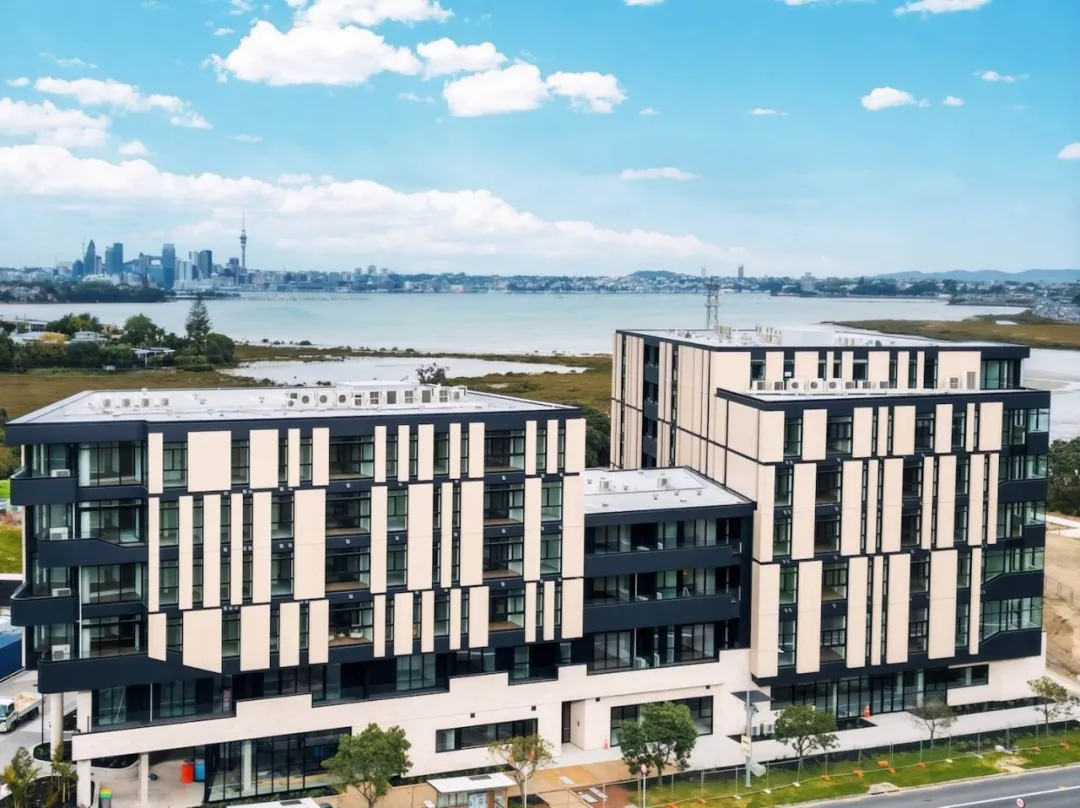
The New Zealand Herald reported on 6 October that Martin Russell’s company, Stonemont, had bought 60 of the 106 apartments in the Amaia development in Takapuna. Title records show that settlement took place on 13 February this year. Russell said the apartments were intended for long-term rental, and most had already been let.
This was therefore a transaction disclosed this week, rather than a sale that had just taken place this week.
The report cited figures from CBRE residential researcher Tamba Carleton: completed apartment stock held by Auckland developers fell from 521 in the first quarter to 428 in the second, a decline of around 18%. However, around two-thirds of the reduction came from a single bulk sale, with individual buyers accounting for only 32 sales.
YIJU’s observation: falling stock levels can carry different implications for the market depending on the mix of buyers.
Long-term rental investors focus more on purchase prices, rents and holding costs; owner-occupiers also need to consider deposits, mortgages, commuting and family arrangements. The bulk purchase helped absorb existing stock in the development and showed that some investors were willing to take on the risks of long-term ownership. It does not, however, establish that ordinary buyers have returned across the board.
The report did not disclose the purchase price of these 60 apartments, so it would be inappropriate to describe the deal outright as “snapping up bargains at the bottom of the market”. What warrants continued attention is whether sales to individual buyers can keep increasing once bulk transactions are excluded.
The second signal
Building is becoming more expensive, and more orders may not mean more profit
The Post reported on 8 October that the latest Cordell Construction Cost Index showed the cost of building a standard home rose 1.7% in the third quarter, the fastest quarterly increase since late 2022. Annual growth rose from 3.5% in June to 4.8% in September.
The index tracks a single-storey, three-bedroom, two-bathroom standalone house with brick walls and a tiled roof, and cannot be applied directly to every residential project.
Meanwhile, according to Stats NZ figures cited in the report, 41,268 new homes were consented nationwide in the year to August 2026, up 21% on the previous year. An increase in consents does not equate to a corresponding annual increase in actual construction starts, but it does indicate growing potential demand for construction.
YIJU’s observation: even as the industry gets busier, builders and developers still need to assess whether revenue can cover rising costs.
The report noted that materials, transport and fuel costs were increasing. Builders may have to absorb some of those increases on projects already covered by fixed-price contracts; for new projects yet to be priced, the additional costs may be reflected in sale prices or construction quotes.
The problem is that costs can rise without buyers’ budgets increasing at the same pace. If sale prices cannot be raised and sales are slow, developers also face financing and holding costs over a longer period.
For families considering building a home, this means reviewing what quotes cover, how long they remain valid and any potential additional charges. Developers need to calculate profits using realistic sales expectations, rather than assuming that more consents mean projects will be easier to sell.
The third signal
Mortgage rates move both ways as banks continue to compete
interest.co.nz reported on 8 October that ASB had lowered some fixed mortgage rates while raising rates for other terms, and had also adjusted some term deposit rates. Overall, the new rates moved closer to those of its main competitors, without offering any market-leading rates.
The report suggested that competition among banks remained strong amid lower-than-expected lending volumes.
YIJU’s observation: rate cuts for particular terms help some borrowers, but do not mean that all mortgage rates will continue to fall.
Pricing across different terms is influenced by factors including funding costs and competitive strategies. When a bank adjusts rates across several terms in different directions at the same time, it underlines why borrowers cannot rely solely on a headline saying that a particular bank has cut rates.
Households preparing to buy a home or refix their mortgage need to compare options against lending conditions, repayment amounts and future cash flow. Whether they qualify for the lowest advertised rate, and whether the fixed term suits their plans, matter more than an interest rate figure alone.
YIJU’s assessment: buyers are stepping in, but costs and sales remain a test
Taken together, these three signals show that different parts of the residential market are moving at different paces: some existing assets are attracting long-term investors, while new projects face higher construction costs and banks continue to compete for limited lending business.
This also requires buyers to weigh up their options again: buy an existing home, or build a new one themselves? If existing home prices have not risen in step while new-build costs continue to increase, some buyers may reassess the value for money offered by existing homes. Whether they represent better value, however, still depends on location, property condition and actual quoted prices; this assessment still needs to be tested against market data.
For developers, bulk purchases offer a possible way to exit an investment or unlock value from assets, but individual cases cannot form the basis of general sales expectations. Ultimately, projects still need to answer these questions: who will buy, at what price, and how long will it take?
YIJU will be watching three questions next: whether sales to individual buyers increase, whether new projects can absorb rising costs, and whether bank rate adjustments translate into actual demand for lending.
Whether these changes can support one another will tell us more about the housing market’s next move than any optimistic signal from a single news story.