
One month to go: are you ready to add a room in your backyard?
August is almost here, the weather is warming up and sunny days are becoming more frequent. The new building consent exemptions that have many people eager to get started will take effect at the end of August. Start planning a month ahead and you can be ready to build as soon as the rules begin. So, are you ready?
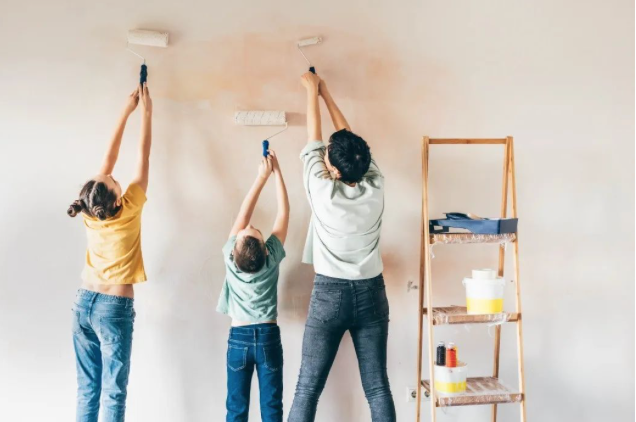
Got an empty patch in your backyard just sitting there unused?
And from the end of August, some buildings with a floor area under 30 square metres will no longer need to go through a cumbersome and expensive approval process before construction?
The timing and location are right, so roll up your sleeves and get ready.
But hang on—what do the building experts have to say? The rule changes do not mean you can do whatever you like with DIY。So, how do you build a compliant structure on that empty patch?
{ad}
What exactly can you build without consent?
Building and Construction Minister Jenny Salesa says the law changes mainly cover “single-storey detached buildings up to 30 square metres, such as sleepouts, sheds and greenhouses, carports, awnings and water storage bladders”. They do not apply to extensions to existing homes or buildings with plumbing.
Do the rule changes mean you can pick up a hammer and get straight to work?
Do not be misled by all the talk of “DIY” in media reports. Although the consent application process has been removed, owners must still comply with the building rules in their area.
This means a new single-storey detached building, including a kitset building, must be designed by a chartered professional engineer. In most cases, construction must also be inspected or supervised by a licensed building practitioner (LBP).
Only buildings made from “lightweight materials”, such as greenhouses, can be built without professional involvement. However, they must still meet the Building Code’s structural stability requirements.
“The person building it definitely needs to know what they are doing,” says Jeremy Gray, an expert at builderscrack.co.nz. “A keen DIY builder might know the Building Code very well and feel absolutely confident about building it themselves. A licensed building practitioner definitely will. That is the difference.”
What exactly is the Building Code?
The Building Code sets out detailed structural specifications for all buildings in New Zealand, including standards for flooring timber, roofing requirements and downpipe arrangements. It is extensive and highly detailed.
Mitre 10 expert Stan Scott says: “If the building is on the Central Plateau in the central North Island, it needs a stronger roof because strong winds, heavy rain or snow are common there. All of this is clearly specified in the Building Code.”
The law change simply removes the need for council approval before building. All the applicable requirements must still be met.
Does that mean you cannot put a bathroom in a sleepout?
You can! But only if you obtain consent first.
Any plumbing or wiring work is beyond what you can do yourself as a DIY project. If you want to build a shower room or toilet, you need consent. Scott says: “Some properties also have limits on the number of toilets.” He also stresses that under no circumstances should anyone carry out their own electrical wiring or plumbing work unless they are qualified.
What should you do first?
Plan, of course. Can you imagine building a 30-square-metre structure from scratch without drawings or a plan?
Gray lists some considerations for the plan: “You need to work out the details of certain exterior wall junctions, what materials you will use for the cladding, what the cladding system needs to include, how everything fits together, how all the exposed edges will be finished, how the downpipes will connect, and what system you will use to connect the ends of the eaves or roofline, and so on.”
Gray says an experienced LBP’s familiarity with the Building Code may allow them to construct a building like this without drawings or plans, but they still need substantial information and requirements from the owner. He recommends engaging a professional architectural designer or engineer to draw up plans for the main structure.
Do you need a builder to construct it?
Not necessarily for the whole job, if you are a keen DIY enthusiast with sufficient practical skills.
Gray says that when planning, you should consult a qualified builder carefully to establish which work they need to carry out and complete, and which work you can do under their supervision yourself.
A reminder: before asking builders for quotes, be clear about your specific requirements. There is no need to seek more than three quotes. Preparing a quote costs builders time and money, so limit your requests as a matter of courtesy. You just need a reasonable understanding of the work involved.
It is also important to understand what work the quote covers and the difference between an estimate and a quote. Remember, once you accept a quote, the builder must complete the specified work for that price.
How can you improve your DIY skills?
Dave Robson, manager of Building Performance and Engineering at the Ministry of Business, Innovation and Employment (MBIE), says: “We know many keen DIY enthusiasts cannot wait to start new building projects now that the costs are more affordable. But they may feel a little worried or confused about meeting Building Code requirements, as this is not something they deal with in their everyday work.”
MBIE has made a series of online learning modules available to the public for this purpose. “The new online learning modules will break down the Building Code to make it easier to understand and use.”
Each module reportedly takes about 2 to 3.5 minutes. Learners can create an account to save their progress or access learning.building.govt.nz as a guest, working through the material according to their needs and at their own pace.
The modules are divided into several sections, focusing on the Building Code, building performance requirements and compliance for building consent.
After completing the modules, learners can take an online quiz to assess their understanding of the rules.
MBIE considers these modules essential for DIY enthusiasts. They are also suitable for builders, engineers, subcontractors and others who regularly work with the Building Code.
Robson says: “Our goal is to ensure all buildings being constructed are safe, healthy and durable for people, whether they are large commercial buildings or small sleepouts in home gardens. One way to achieve that is to make sure everyone understands and follows the Building Code.”