
Do portable electric heaters fail to meet heating requirements? Healthy Homes Standards explained, part two
Just when it seemed New Zealand’s winter was receding, persistent rain returned alongside the pandemic. Under Level 3, people are once again working and studying from home, and the cold, damp weather has brought household comfort further into focus. Today we continue our detailed explanation of the Healthy Homes Standards (the Standards), this time looking at heating.
Heating requirements under the Standards
All rental homes must have one or more fixed heaters that directly heat the main living room to at least 18°C and can maintain that temperature throughout the year. Failure to comply by the deadline may result in a fine of up to NZ$4,000.
Note: Long before the Standards were published, landlords were already obliged to provide at least one heater in rental homes under the housing improvement regulations introduced in 1947 (Housing Improvement Regulations 1947), although no specific requirements were set for the equipment. The requirements are now detailed, and landlords who fail to provide heating also risk a fine, with the amount determined by the Tenancy Tribunal.
Frequently asked questions about the heating standard
{ad}
What counts as a “living room”?
“Living room” has a broad definition here. It covers more than what we would usually think of as the lounge, encompassing any living space in a home that can be used for general everyday living, such as a lounge, dining room, sitting room or family room. It can also include multipurpose spaces, such as a studio or an open-plan kitchen and dining area.
Note: If you have more than one living room, only the largest needs to meet the heating requirements.
What requirements must living room heaters meet?
- They must be located in the living room or supply heat directly to it, for example through ducts or vents;
- The heaters must be capable of being fixed in place;
- The heaters must have a heating capacity of at least 5 kW;
- If the heater is an electric heater or a heat pump, it must have a thermostat;
- The heater must not be an open fire, an unflued gas heater or another unflued combustion heater;
- If the required heating capacity exceeds 4 kW, electric radiators cannot be used (heat pumps are excluded), unless they supplement existing heating installed before July 2019.
Note: Although heaters must be fixed in the home, they do not need to be permanently built into a wall or floor. For example, plug-in heaters can be used provided they are safe. Heaters can be fixed using brackets or supports, or through standard installation, as with a heat pump.
How do you calculate a home’s “minimum heating capacity”?
You can use the heating assessment tool on the government’s tenancy website (tenancy.govt.nz/heating-tool), or ask a qualified Healthy Homes assessor to assess your home and calculate the minimum heater capacity needed to heat the main living room to 18°C. The tool considers information such as the home’s location, construction date, insulation level and living room layout.
If the living room is small, surely an electric heater will do?
Electric heaters have high running costs and are best suited to small spaces or well-insulated homes. Generally, electric heaters cannot be the sole source of heating for a living room, unless its heating capacity requirement is no more than 2.4 kW. Even then, an electric heater used for heating must meet the following requirements:
- It must be located in the living room or supply heat directly to it, for example through ducts or vents;
- It must be fixed in place within the home;
- It must have a heating capacity of at least 5 kW;
- It must have a thermostat.
If heating is already installed, do I need a new heater?
In some circumstances, existing heaters supplying heat to the living room may be accepted even if their capacity falls slightly below the minimum calculated by the heating assessment tool. If you already have one or more heaters that meet all the following requirements, you may not need to add new equipment.
- The heaters were installed before 1 July 2019;
- Each individual heater must have a minimum heating capacity greater than 4 kW;
- The heaters meet the basic heating equipment requirements outlined above;
- Their combined heating capacity is at least 90% of the required capacity.
Note: The tolerance for existing heaters applies only to equipment installed before 1 July 2019. Any replacement now or in future is therefore treated as equipment installed after 1 July 2019 and must meet the Standards’ heating requirements by the specified deadline.
When can an electric heater be used to “top up” heating?
If you need to add equipment to supplement existing heating in a home, you may add a small fixed electric heater provided all the following conditions are met.
- The home’s existing heaters were installed before 1 July 2019;
- All existing heaters meet the basic heating equipment requirements and are not electric heaters (heat pumps are excluded);
- The required heating capacity exceeds 4 kW;
- The additional heating capacity the home needs is 5 kW or less.
For example, if you have a heat pump installed before 1 July 2019 with a heating capacity of 3.3 kW, but your home requires a total of 4.5 kW, you may add a 1.5 kW electric heater to meet the standard.
Note: The Standards require all heaters to have a heating capacity of at least 1.5 kW, so any electric heater used for supplementary heating must also have a capacity of at least 1.5 kW.
What should you consider when installing a new heater?
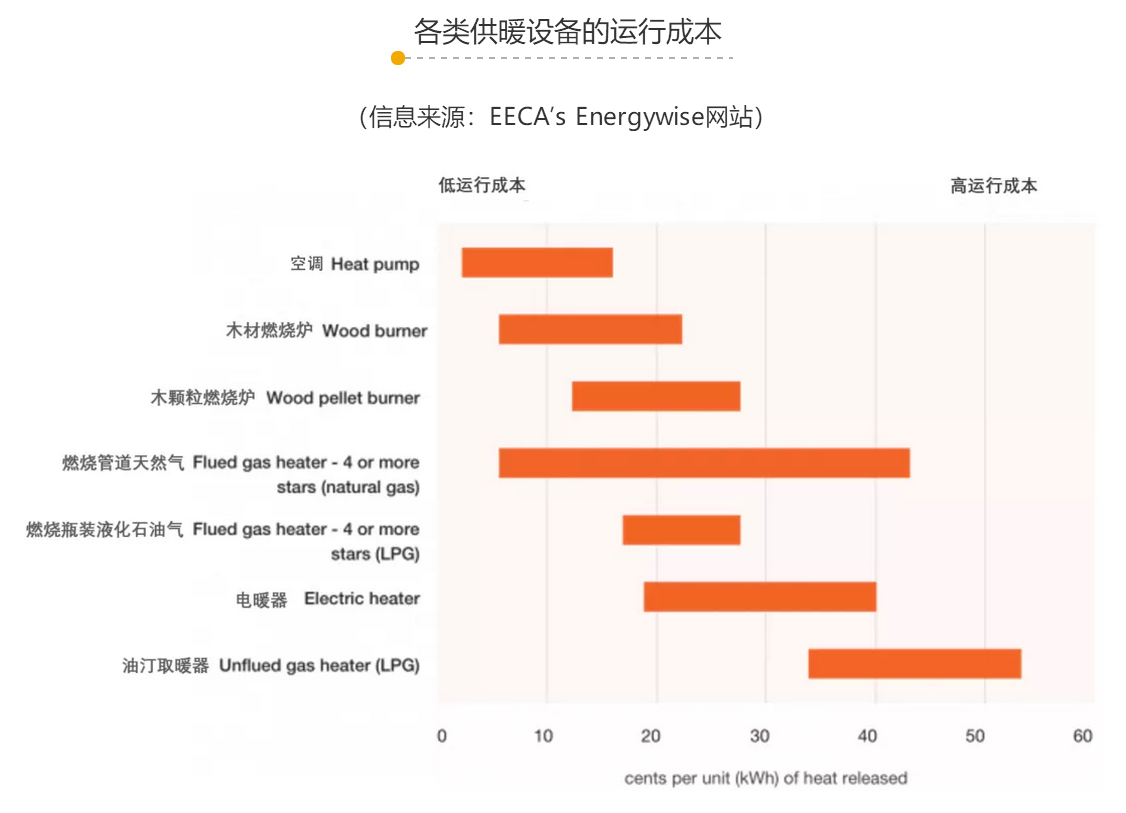
When installing a new heater, besides ensuring it meets the Standards, you may need to consider other factors, such as:
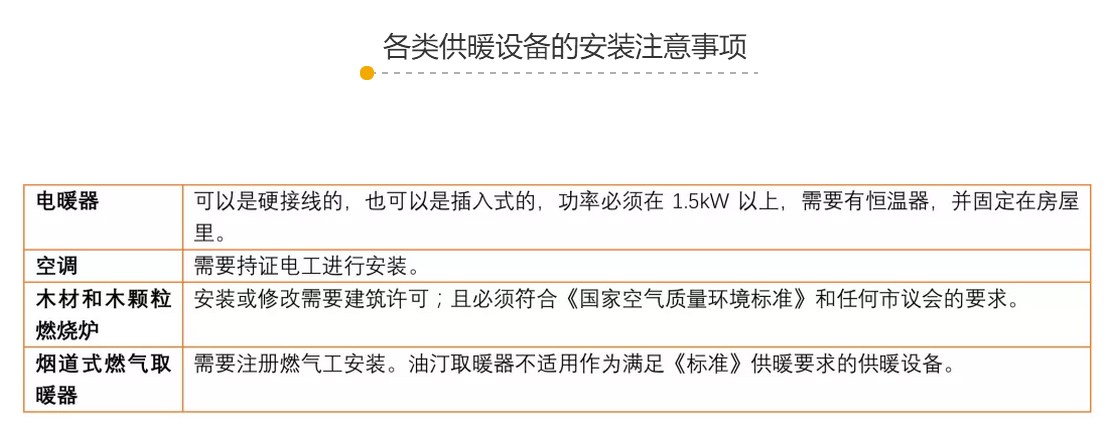
Note: Follow the manufacturer’s recommendations for all heating equipment carefully, including any maintenance requirements, such as cleaning the flue. Departing from these recommendations may invalidate warranties and adversely affect the performance and safety of both the equipment and the building. It may also put your insurance cover at risk.
When can an exemption from the heating requirements apply?
There are two specific circumstances in which an exemption from the Standards’ heating requirements can apply.
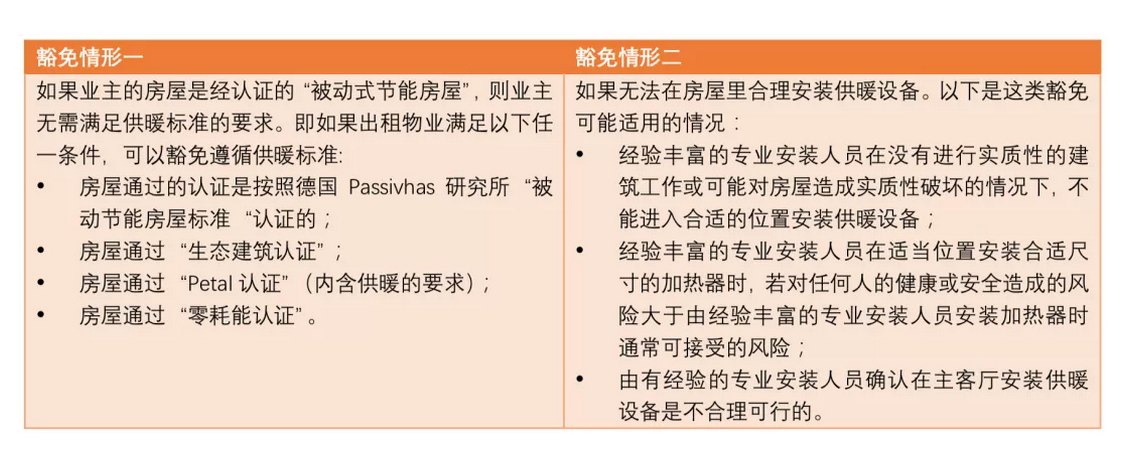
Note: If you think these exemptions may apply to your rental property, or you are unsure, it is advisable to obtain and retain written advice from a professional. Tenancy Services at the Ministry of Business, Innovation and Employment, or the Tenancy Tribunal, may need this record if a complaint or dispute arises.
About the author

Lawson Sun is currently the North Shore Regional Manager at Crockers Property Management. With a background in finance, accounting and marketing, and more than four years of accounting experience, he specialises in comprehensive rental and management solutions for investment property owners. Crockers has worked extensively in New Zealand’s property management industry for more than a decade and currently has five offices serving all of Auckland and Hamilton.