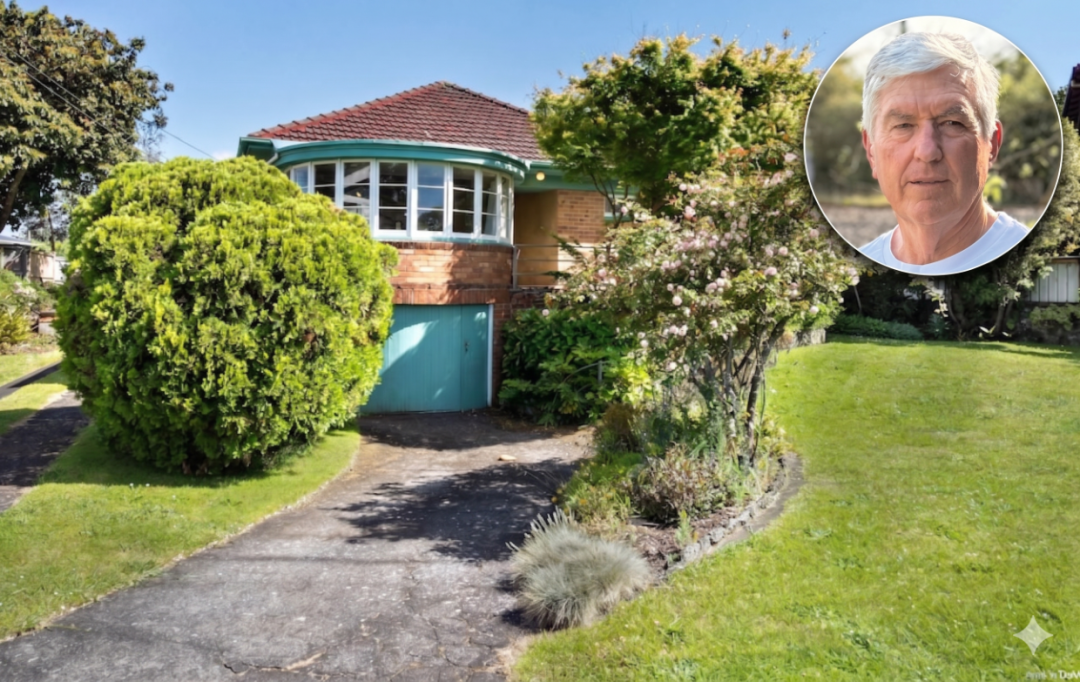
A flood map sparks a NZ$60,000 dispute: models and reality diverge as debate over Auckland property risk intensifies
On an Auckland Council flood risk map, a 1565-square-metre site in St Lukes is clearly marked as a ‘potential flood area’.

Property · Building · Design
On an Auckland Council flood risk map, a 1565-square-metre site in St Lukes is clearly marked as a ‘potential flood area’.
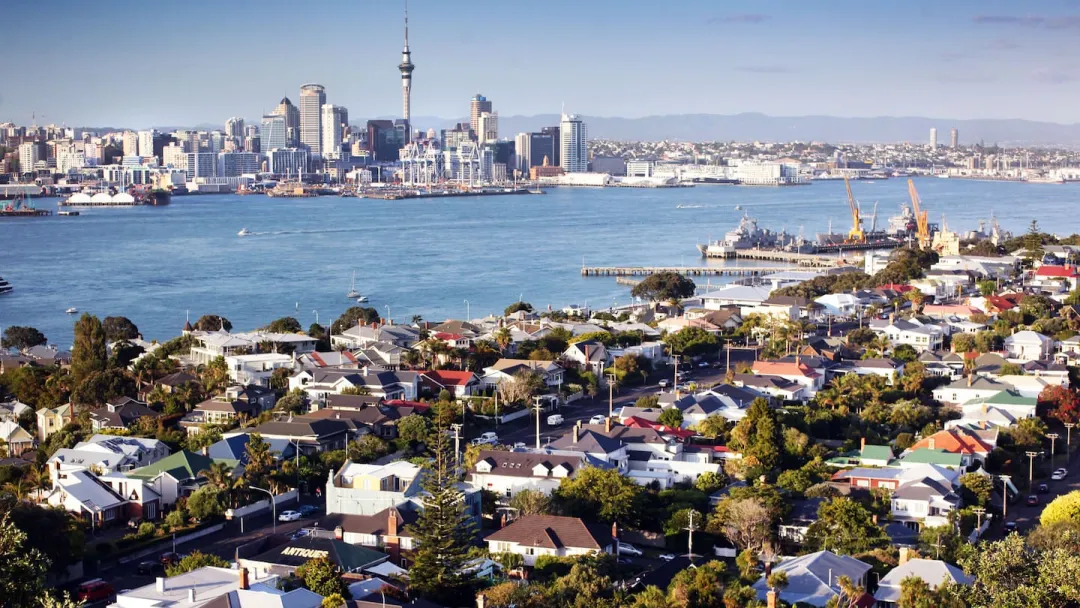
After several consecutive months of modest recovery, New Zealand’s housing market appears to be at a familiar yet uncertain crossroads once again.

The latest figures show Naylor Love has regained its position as New Zealand’s busiest builder, with approximately NZ$1,030,000,000 worth of projects starting in 2025, across 103 projects. That figure has not only reclaimed the top spot it lost last year, but also set a new record for the rankings.
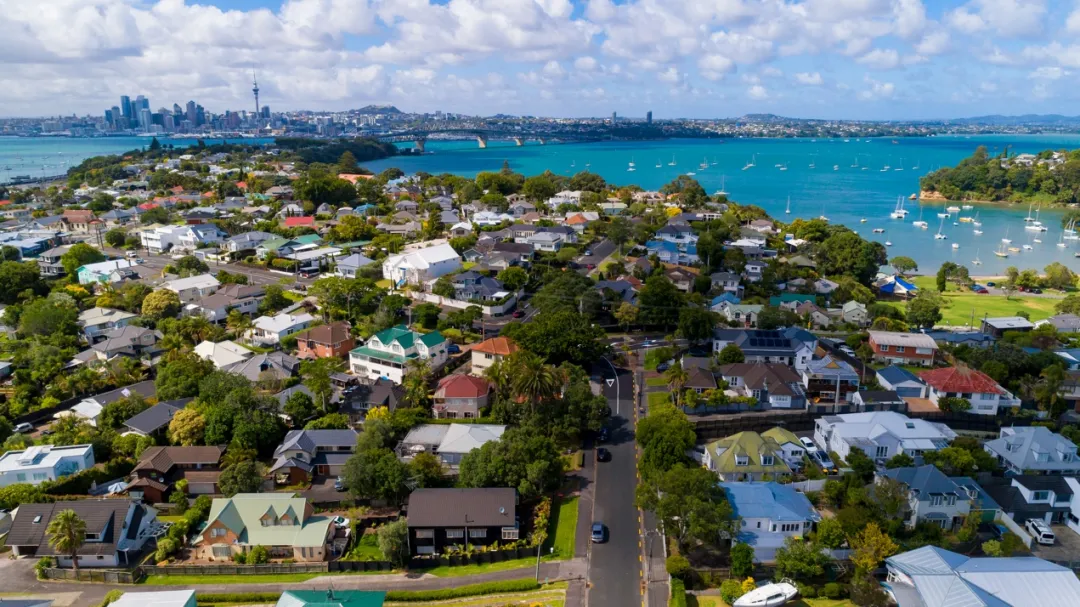
For a long time, the way New Zealand’s housing market worked was fairly straightforward: as long as credit was readily available and interest rates were low enough, investors would keep entering the market, driving house prices higher. Within this cycle, “mum and dad investors” — small investors who used the equity in their existing properties to keep increasing their borrowing — were consistently among the market’s most active and influential participants.

An interesting pattern has recently emerged in the property market.

A shift in New Zealand’s interest rate environment is becoming increasingly clear. The official cash rate (OCR) remains at 2.25%, suggesting no movement at the policy level. But closer to the market, interest rates are already being repriced.
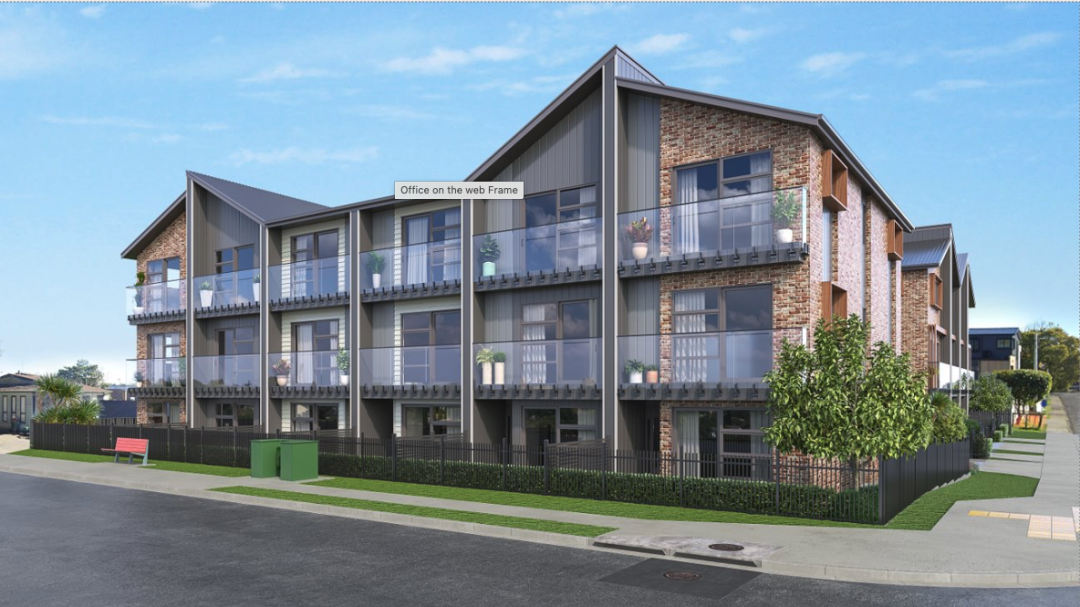
In property development, people often focus on the visible stages of a project, such as construction, development progress, building costs and the finished product. These are tangible, measurable and the easiest aspects to discuss. But experienced practitioners understand that by the time a project reaches construction, most of the key decisions have already been made.
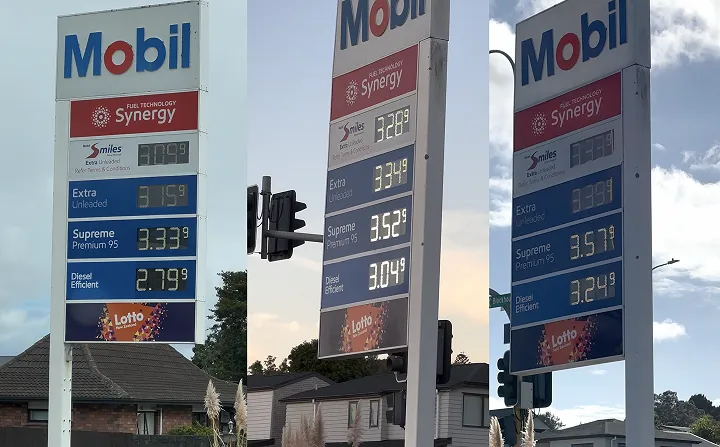
As fuel prices dominate the headlines, some builders are already feeling the impact more directly: projects are disappearing.

Amid uncertainty in the international environment, New Zealand's relationship with China appears particularly stable and important.

A large community development proposing nearly 4,000 homes has secured approval through the Government's fast-track process despite objections from almost every key local agency.
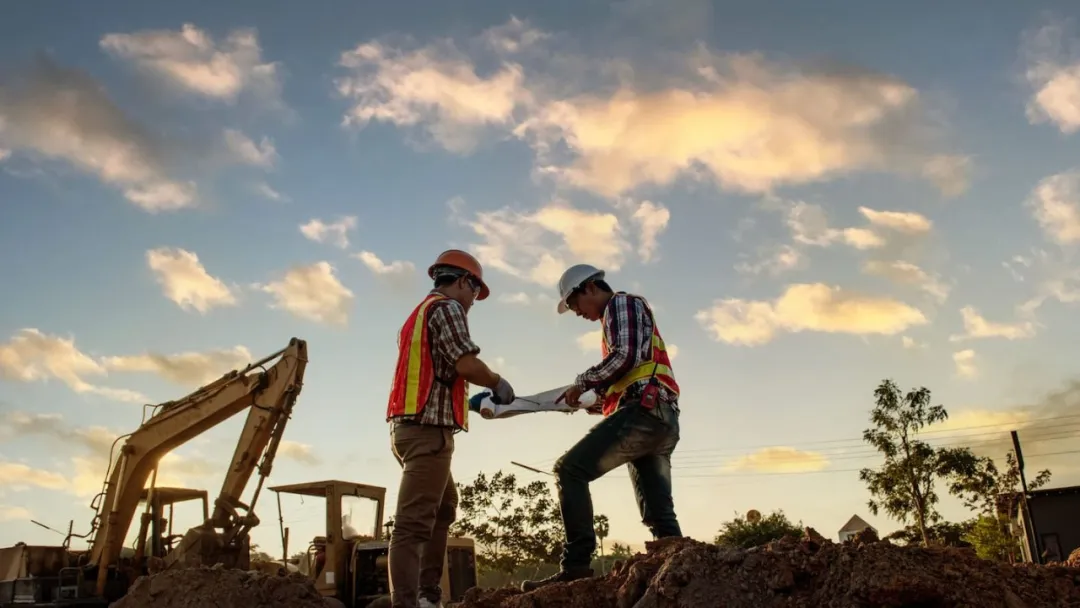
Against a backdrop of continued oil price volatility and uncertainty in the Middle East, anticipated cost pressures in New Zealand’s construction industry are becoming a reality.
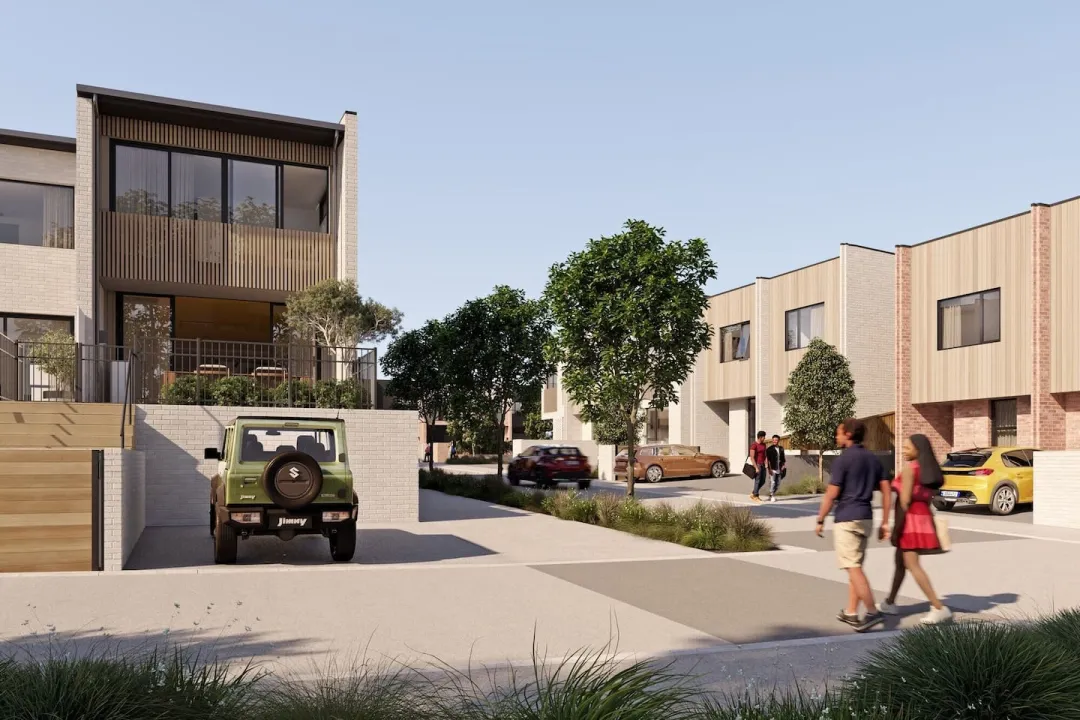
New Zealand has been talking about a housing shortage for years. But looking beyond the broad statistics to individual projects reveals a more practical problem: there is no shortage of people wanting to build homes, yet getting them built is becoming increasingly difficult.