
House prices kept rising during the August lockdown, could this be the next area with the greatest investment potential?
According to the latest house sales figures from Barfoot and Thompson, Auckland’s median house price rose 2.6% in August to NZ$1,130,000, up 23.9% on the same period last year. The average sale price fell 0.2% to NZ$1,181,000, up 18.7% year on year.
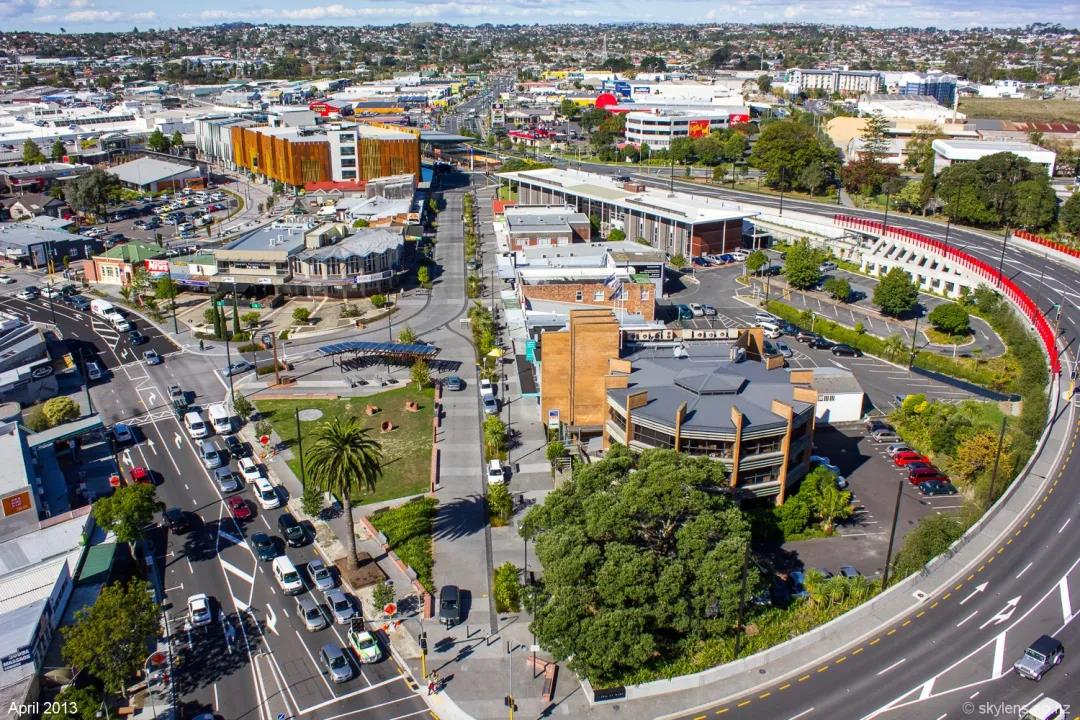
This suggests that “the current lockdown has had no significant impact on Auckland’s house sales in August. With Auckland’s lockdown continuing into September, listings and completed sales may decline, but Auckland house prices will keep rising rather than fall”! We cannot help wondering: among Auckland’s many areas, which could have the greatest potential to become the next golden investment hotspot?
{ad}
This time, Mr Liang Lixing’s answer is New Lynn. That comes as no surprise to us. New Lynn has stood out for two consecutive years in the annual list of New Zealand’s ten housing markets with the most potential for first-home buyers, published at the start of each year by prominent New Zealand property consultancy Colliers International. Property expert Pete Evans, Colliers’ residential projects director, gave these reasons: New Lynn, West Auckland’s transport hub, already has a full mix of retail, commercial and residential activity, and is still developing. The council expects the area to accommodate 20,000 residents and 14,000 workers by 2030. The Crown Lynn Potteries site will gain 1800 new homes, a park and 40,000 square metres of commercial land. Ray White New Lynn manager Michael Gee says this will turn New Lynn into a “western metropolis”. “Not long ago, people were reluctant to live in New Lynn. Now it is highly sought after, and even a little more expensive than other parts of West Auckland.”
In fact, we found that Auckland Council’s plan for the next ten years had already placed considerable emphasis on New Lynn’s transformation.
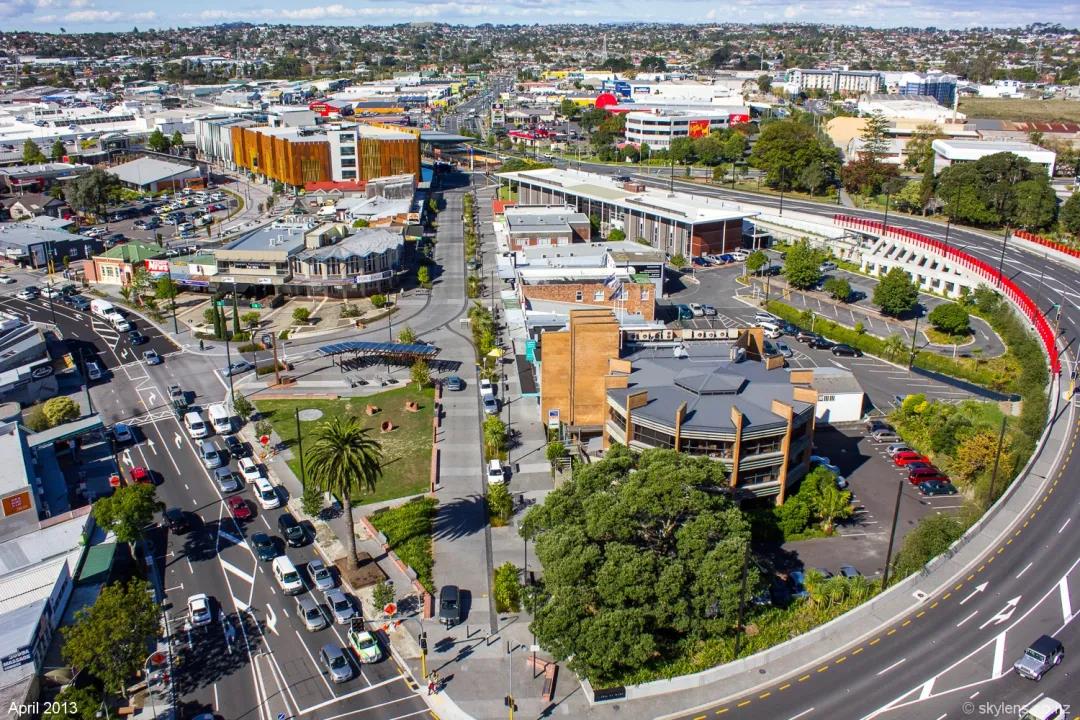
What does the council’s ten-year transformation plan for New Lynn involve?
Transforming New Lynn into a vibrant metropolitan centre bringing together work, business, shopping, entertainment and recreation. By 2030, our goals for New Lynn are: To become a distinctive, sustainable Auckland urban area, centred on a world-class transport hub and able to attract and sustain 20,000 residents and 14,000 workers.
Which projects are needed to transform New Lynn?
A series of projects and initiatives will transform New Lynn, including projects already delivered since September 2010:
- A trenching project along a kilometre of railway corridor
- The transport interchange project
- The Clark Road extension project
- The Totara Avenue shared space project
- The redevelopment of Todd Triangle and Gardner Reserve
What other major initiatives will transform New Lynn?
Merchant Quarter: developing Merchant Quarter, opposite the New Lynn transport interchange, into a shared space incorporating public parking, a medical centre and an upgraded McCrae Way.
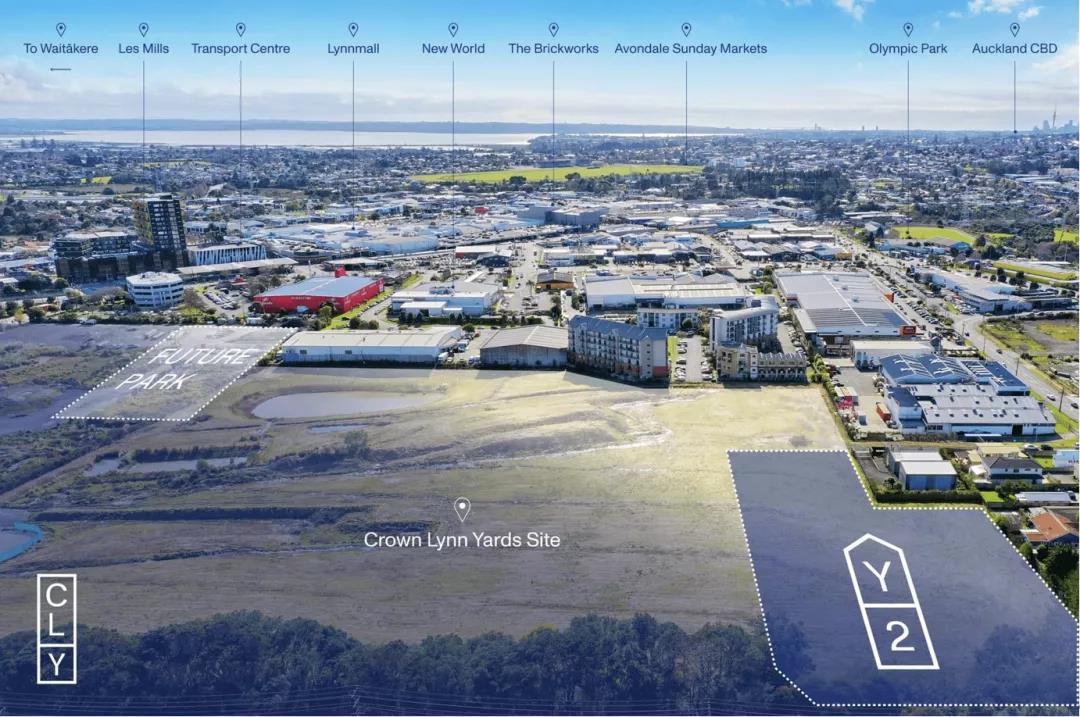
Crown Lynn: originally a clay pit, Crown Lynn will be redeveloped into a predominantly residential, mixed-use community built around an eagerly anticipated new park. The area has the potential to accommodate up to 1800 new homes and a commercial centre with 40,000 square metres of floor area, providing amenities, employment opportunities and a high-quality urban environment.(We will explain this in detail under question 1 below.)
What road improvement projects are planned?
To make New Lynn more walkable, we are building:
- New, wider footpaths on Great North Road and at Delta Triangle
- An urban traffic route for vehicles travelling from Great North Road to Delta Ave
- Rain gardens to help manage stormwater runoff
- Enhanced landscaping, including new trees, low planting, street benches and energy-efficient street lighting
- Dedicated paths for pedestrians and pushchairs
Tiverton Road and Wolverton Street will also undergo major upgrades. Two additional lanes across the two-way route will eliminate traffic bottlenecks and improve connections between New Lynn, Rosebank Road, Lansford Crescent and the SH20 extension in Mt Roskill.
Safer cycle lanes: Clark Road in New Lynn will gain new cycle-lane safety measures, with raised lane markers and flexible safety bollards marking the edges of cycle lanes in a national first.
Q1: Mr Liang, New Lynn has enormous potential. Are there any developments or investment opportunities you would recommend at present?
Yes. New Lynn has clear locational advantages as the gateway to West Auckland, close to central Auckland and with State Highway 20 running through it. As far as I know, a number of major developers have already taken action. One example mentioned in the council’s ten-year plan is Avanda Group’s Crown Lynn Yards in New Lynn. It is superbly located, close to the New Lynn transport hub we discussed, Lynn Mall, supermarkets, gyms and other entertainment and recreation centres. I am very positive about this project. I believe its range of townhouse and apartment layouts, together with competitive prices, will help more Aucklanders, particularly first-home buyers, realise their home ownership dreams sooner.
For project details, visit the official website: https://www.crownlynnyards.co.nz/
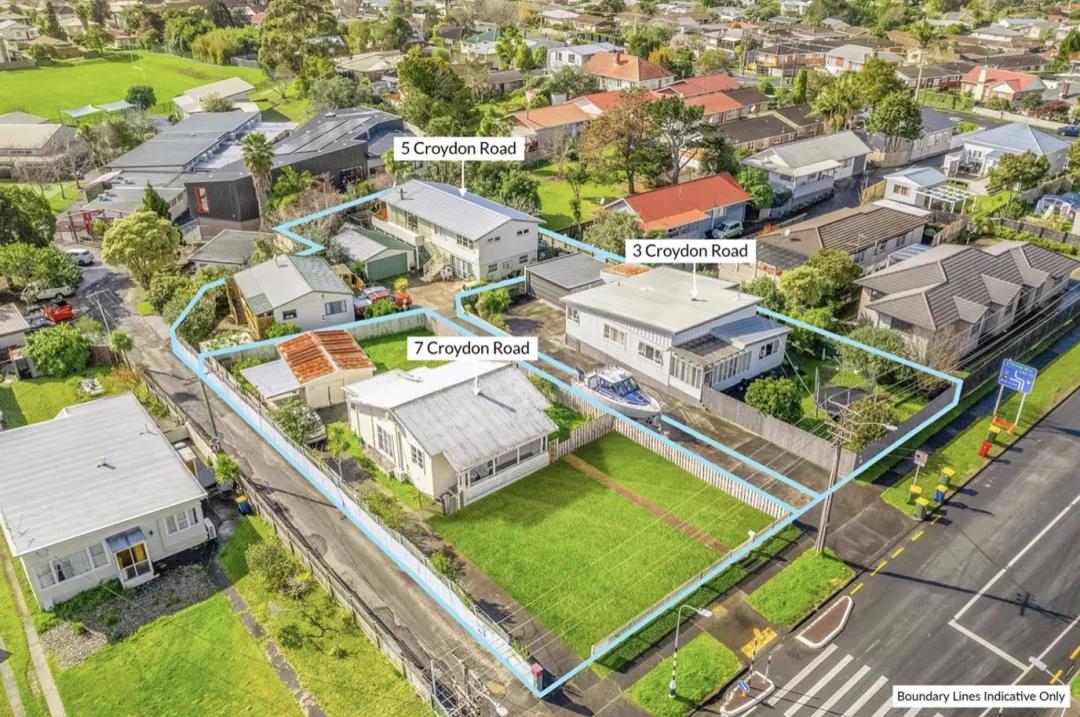
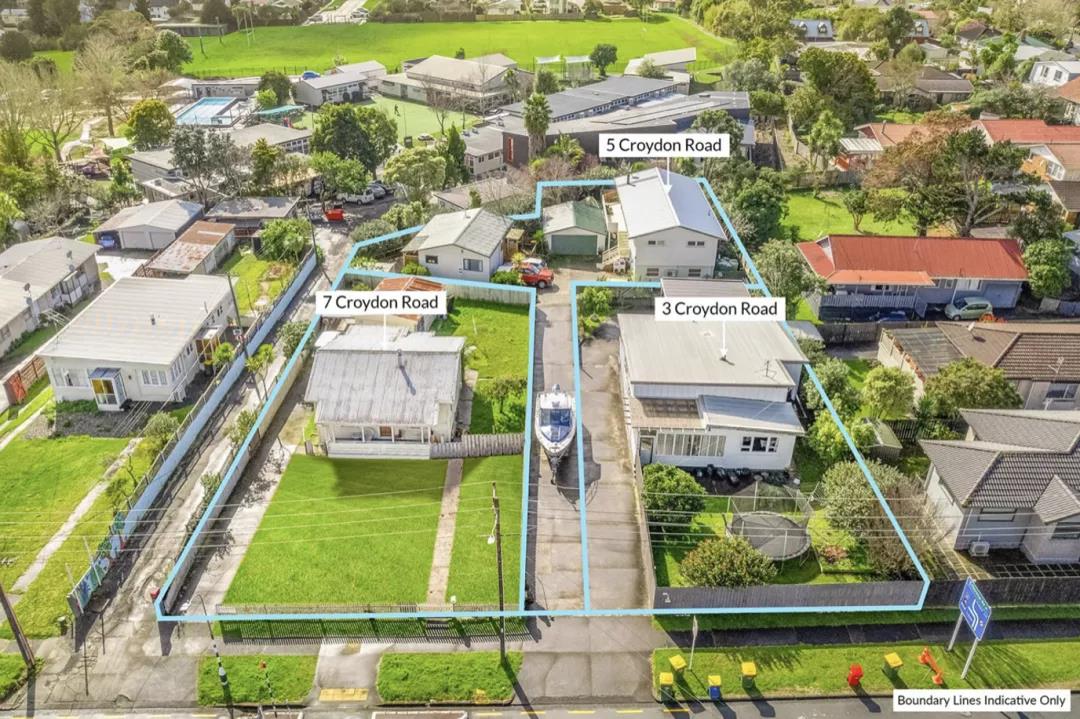
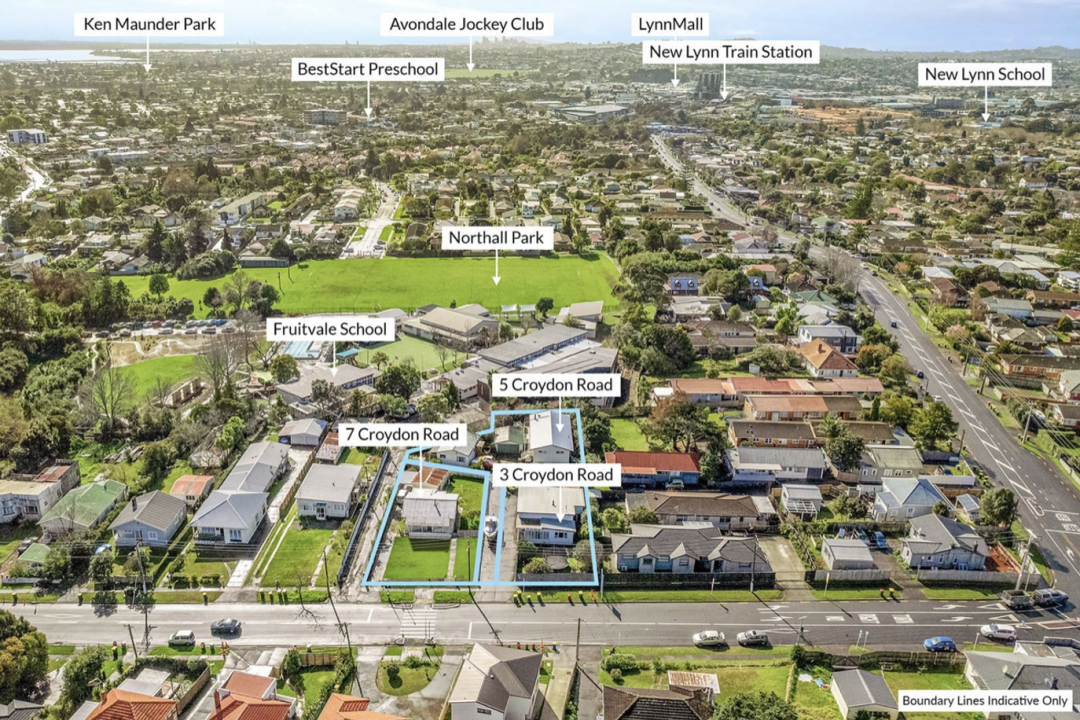
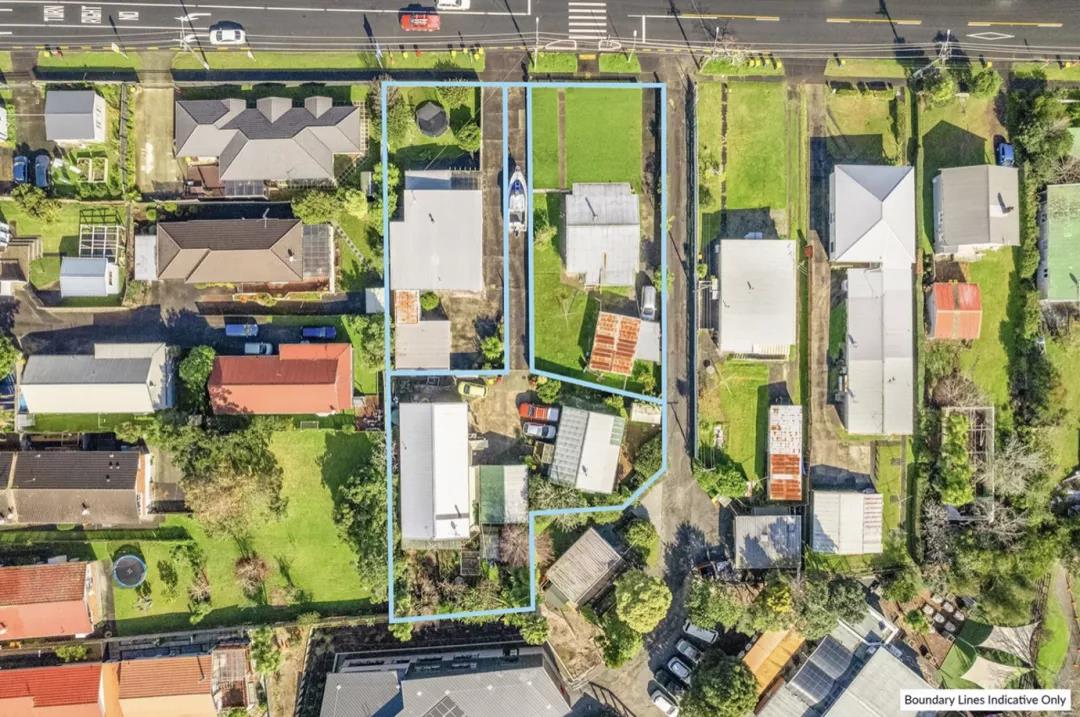
I would also like to recommend a recent opportunity with considerable investment potential at 3, 5 & 7 Croydon Road, New Lynn. This offering combines three sites, comprising 3 separate titles and four separate homes on a total of 2255 square metres of freehold land. Zoned for higher-density mixed housing, properties of this kind are sought after by investors and owner-occupiers alike. For developers, the site offers excellent scope for townhouse or apartment development.
Q2: Mr Liang, could you talk us through the advantages and disadvantages of this property offering?
Certainly. The advantages are:
- 2255 square metres of flat, freehold land zoned for higher-density mixed housing, giving this offering the greatest development potential.
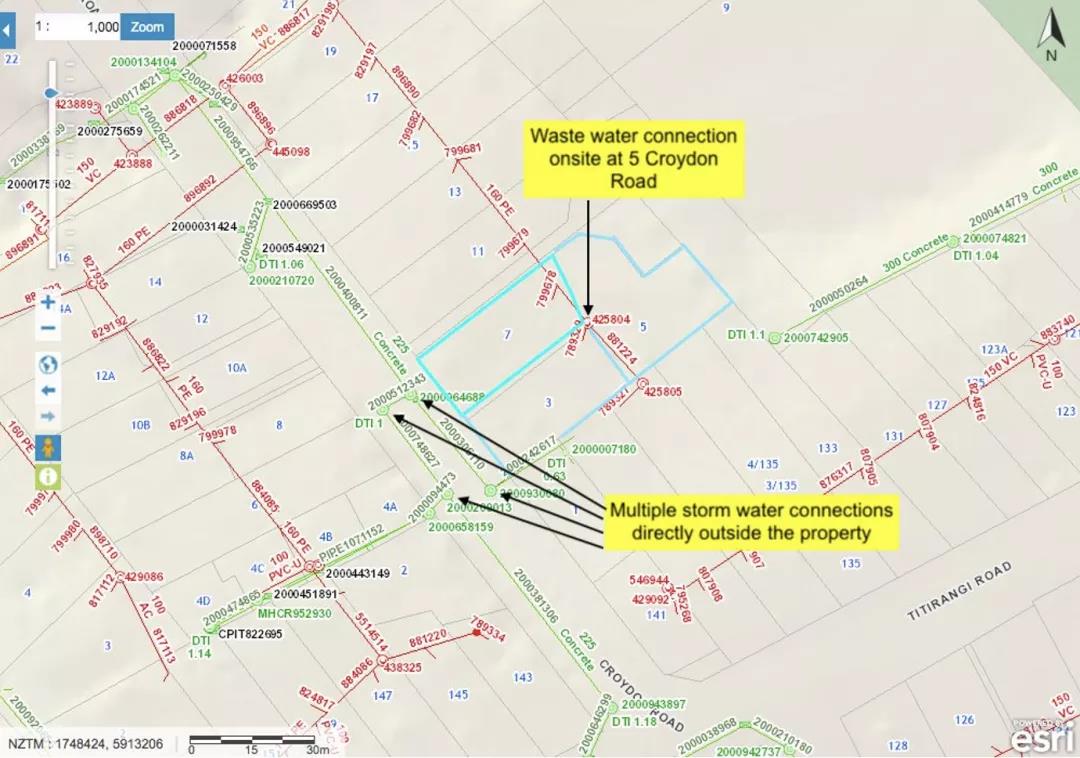
- Multiple stormwater and water supply connections on the site make development easier. There are also many developments currently under way nearby, which can help increase future property values in the area.
- Potentially high investment returns, although strong profits require a tightly controlled budget.
- New Lynn properties are among the first choices for many large families. With worsening traffic congestion and public transport development lagging well behind, more of these family buyers are looking for somewhere close to the city.
- Conveniently located land held for future development is a good property investment, whether it is rented out or owner-occupied in the meantime. Property investment returns come from rental income and increases in the property’s value itself, or capital gains. Property is generally considered a lower-risk investment, offering returns of 10% when bank deposit rates are close to 1%.
- Three existing properties in good condition can already generate rental income. Spending some money on renovations could deliver higher returns.
Disadvantages:
- Property development takes a long time, and the market may have fallen by the time you finish building and sell. Every investment carries risk. In a rising property market, many development projects look as safe as houses. But when the market turns down, it can be the last straw.
- From a development perspective, unexpected expenses often push costs higher. Examples include rising timber prices or emergency lockdowns under alert levels 4 and 3. Selling the properties may also take a long time, while bank mortgage payments still have to be made. You could ultimately lose money on this project.
- For rental properties, bad tenants can be a nightmare. If tenants do not pay rent, they affect your cash flow and may leave the landlord without earnings while also reducing the property’s value.
- There is also the prospect of mortgage interest rates rising in future... Uncontrollable factors can increase additional and ongoing costs such as insurance, council charges, mortgage repayments, maintenance and renovations, potentially making the entire project unprofitable. Of course, with proper planning and sound investment, rental income can exceed all these costs combined and still leave money in your pocket.
Q3: What advice would you give prospective buyers? Would apartments or townhouses be more suitable for this location?
For developers, this is a very attractive offering with decidedly strong investment potential.
Townhouses would be the most suitable housing type to build in New Lynn.
- Two shared walls save space and costs, allowing more townhouses to be built on the site.
- Two storeys would be preferable to keep construction costs down.
- Of course, the site could also be redeveloped into apartments or standalone homes.
- Parking could be within the home in an internal garage, in a courtyard off a shared driveway, or on the street, with private rear gardens or patios and front entrance areas.
Understanding mixed housing zones: the Mixed Housing Urban Zone is a common residential zone across much of Auckland. It provides for a range of housing options, including standalone homes, townhouses and apartments, with townhouses and apartments permitted up to 3 storeys.
Advantage: greater building height and density than in the Mixed Housing Suburban Zone.
Development potential:
- Generally, up to 2 dwellings can be built. Building 3 or more dwellings requires resource consent.
- Buildings can reach 8 metres (+1 metre), equivalent to 1–2 storeys.
Development requirements:
- Maximum impervious coverage, such as concrete surfaces, must not exceed 60% of the site area; maximum building coverage must not exceed 40% of the site area.
- The minimum landscaped area must be at least 40% of the net site area.
- At least 50% of the front yard must include landscaped areas.
- The minimum site area for building is 400 square metres.
What are the benefits of the Mixed Housing Urban Zone?
- With resource consent, 2–3 or more homes can be built.
- Greater potential development value makes the property easier to sell to developers.
- It offers more options for intensive development while retaining the area’s suburban built character and creating a high-quality living environment.
Q4: We see that, compared with other areas, this is not a particularly good school zone. Will that affect future house prices?
Yes. Generally, homes in better school zones are more popular, particularly among Chinese buyers. But house prices have become so extreme that, in today’s seller’s market, buyers struggle to meet all their requirements within a limited budget. Auckland’s shortage of land will also continue to worsen. For many first-home buyers, the question is less whether an area is good and more whether it has any homes for sale.
Q5: If you were the eventual buyer of this offering, how would you plan your investment?
Before making any decisions, I would have the bank assess my financial position to ensure I had enough funding for future development plans.
I think I would most likely leave everything as it is for now, holding the land for future development and collecting rent until a development project was confirmed.
Another way to approach this is to consider whether you have spare funds—it is better to put your money to work than leave it in the bank—and are ready to take the development to its next stage.