
Is the rate-cutting cycle turning a page? Banks move before the Reserve Bank: the important signals in Westpac’s rate rises
As six-month fixed mortgage rates fall, why are banks quietly raising their three-year and five-year fixed rates?

Property · Building · Design
As six-month fixed mortgage rates fall, why are banks quietly raising their three-year and five-year fixed rates?

New Zealand’s housing market is experiencing an ‘affordability window’ rarely seen over the past four years. According to tracking data from Interest.co.nz, stabilising house prices, falling interest rates and steadily rising incomes have combined to significantly ease the pressure on typical first-home buyers.

A major official announcement! On 10 October, New Zealand's Health Minister announced that the Government would begin a land procurement process immediately, inviting expressions of interest from property owners in Drury. The ultimate plan is to build a major medical centre in South Auckland in the future.

Yesterday, the Reserve Bank of New Zealand announced a 50-basis-point cut to the Official Cash Rate (OCR), bringing it to 2.5%.

Private schooling has been a much-discussed topic among Chinese parents in New Zealand in recent years. Many wrestle with the same question: should they spend heavily on a home in a desirable school zone, or invest directly in private education for their child? Private school fees are substantial, but homes zoned for popular state schools also command astonishing prices. Using part of the house-buying budget for private schooling could offer better value, bringing smaller classes, quality facilities and higher rates of university progression.
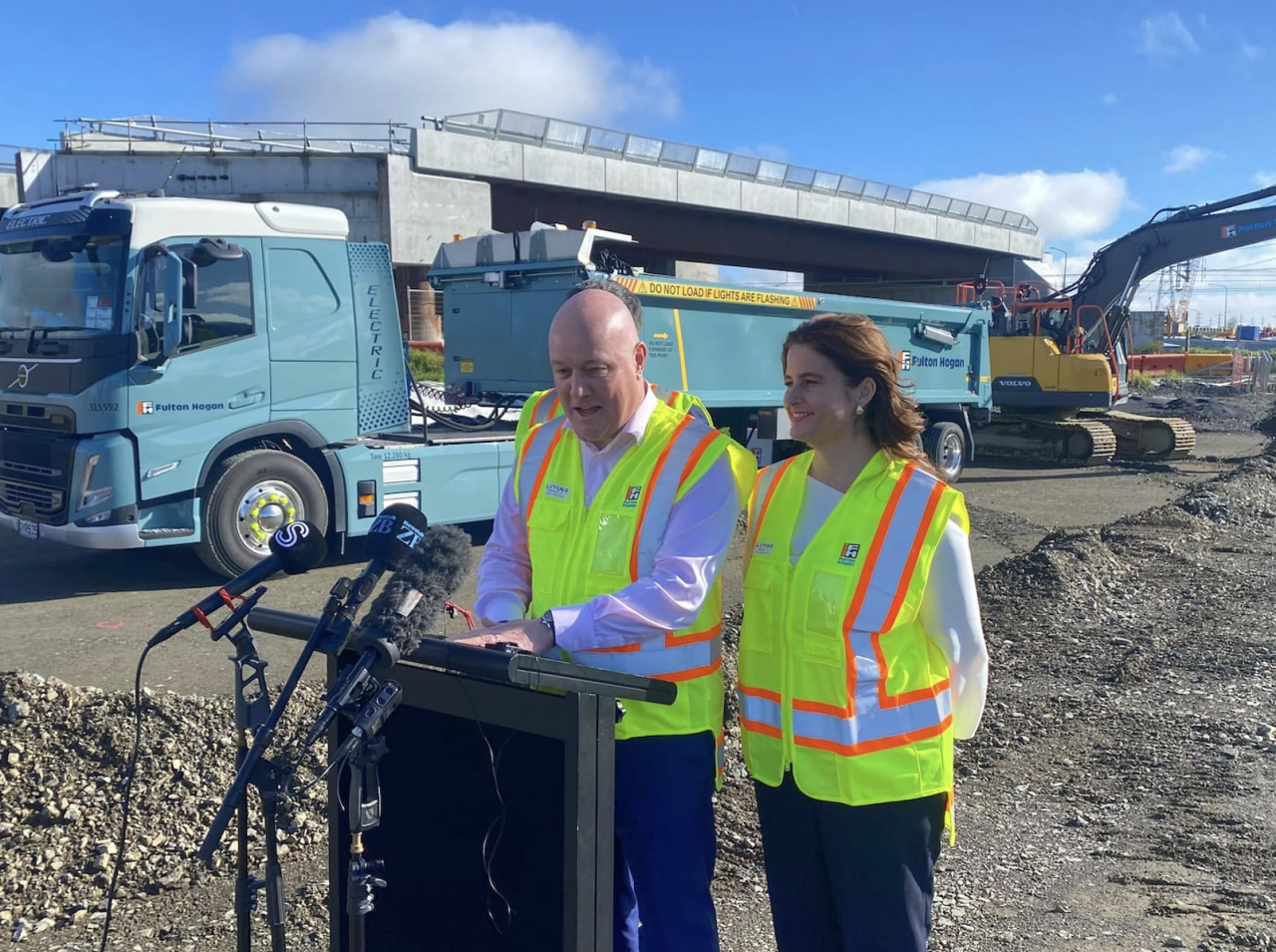
With house prices down a full 16% from their peak, the property market is quietly undergoing a structural shift: first-home buyers are taking centre stage and investors are buying again. Now, the Government has unveiled a major NZ$6,000,000,000 infrastructure stimulus programme, offering the market greater certainty around opportunities and timing. Policy and market forces are together setting the tone for the housing market in the second half of 2025, although the latest inflation figures may introduce an element of uncertainty.

Early winter is usually a relatively quiet period for the market, but the latest Barfoot & Thompson figures show that home sales in June 2025 reached their highest level for that month in four years. The median house price also rose to NZ$981,500, a high for the year. As the winter chill set in, Auckland delivered an encouraging result.

In architecture, light and shadow offer some of the most moving expressions of poetry. Imagine morning light falling on exterior walls, a crisply defined façade casting shadows of varying depths in the sunshine, and the low evening sun revealing the rich textures of the cladding. Living in such a building might bring a little poetry to everyday life.

Over the past few decades, New Zealand’s economy and house prices have almost developed an unspoken understanding: when house prices rise, households feel wealthier, spending picks up and credit becomes easier, as though everything in the economy runs more smoothly. But National appears to be rewriting that model.
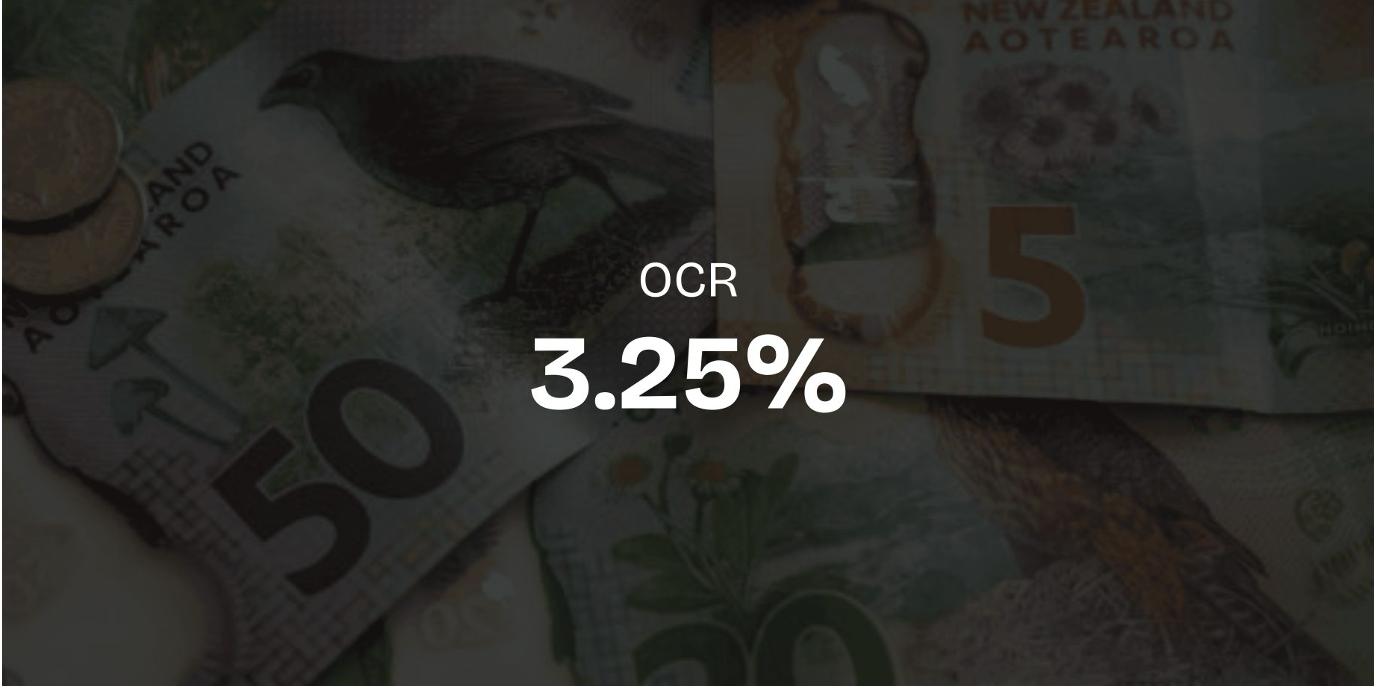
After six consecutive OCR cuts, the Reserve Bank of New Zealand suddenly put on the brakes, holding the rate steady in July. Although this pause had been expected, it unexpectedly slowed the housing market’s recovery.

According to RNZ’s Chinese-language service, the New Zealand Government has unveiled an ambitious International Education Going for Growth Plan, aiming to expand the international education sector to NZ$7,200,000,000 by 2034! This policy shift opens the door to international students and creates opportunities for Chinese builders, event organisers and astute new migrant entrepreneurs in New Zealand.
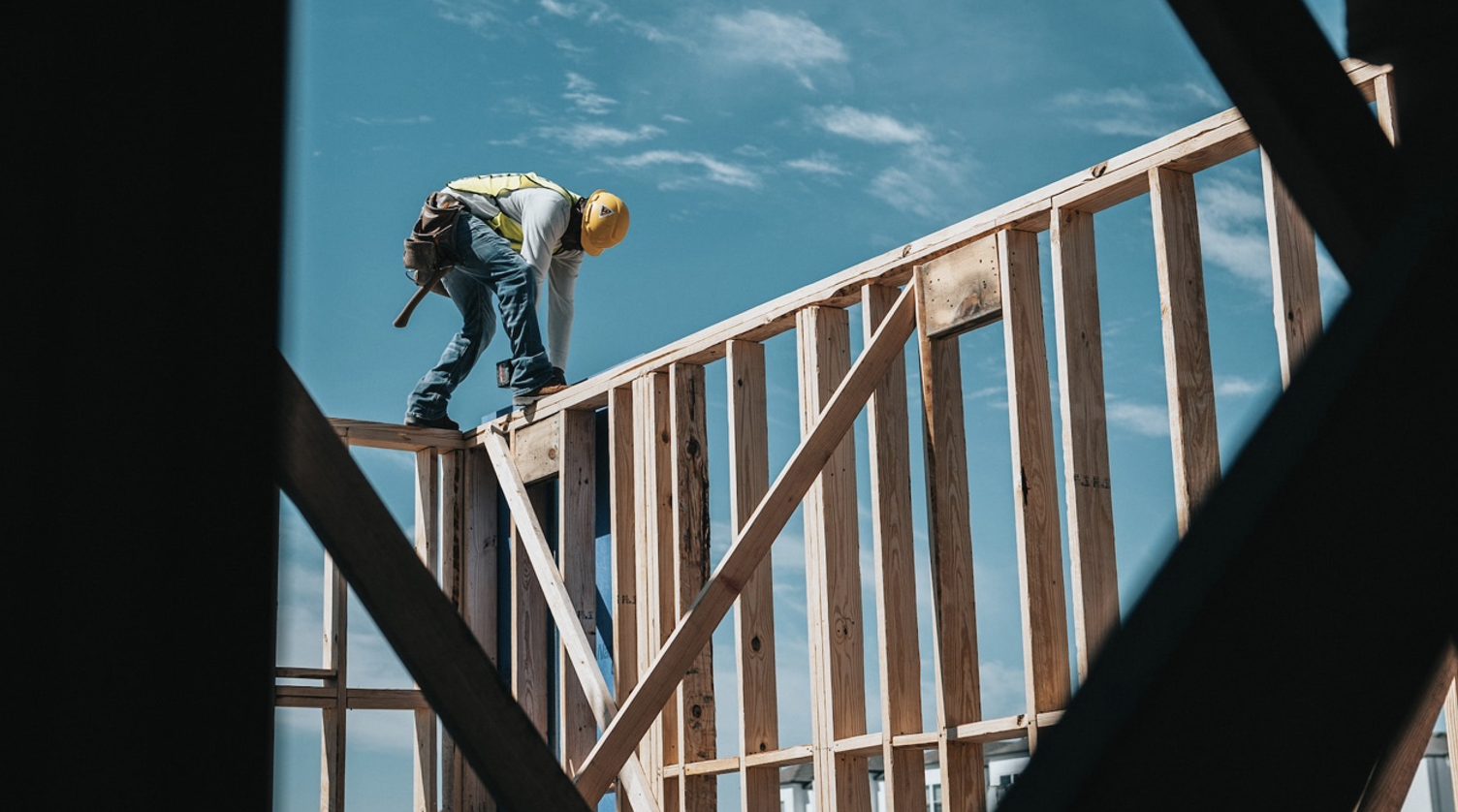
For the past three years, New Zealand’s construction sector has struggled through a storm. From pandemic disruption to supply chain crises, and from rampant inflation to waves of business failures, construction has become something of a barometer of economic volatility: its weakest points have been the first to break. Now, though, perhaps we really can breathe a little easier.