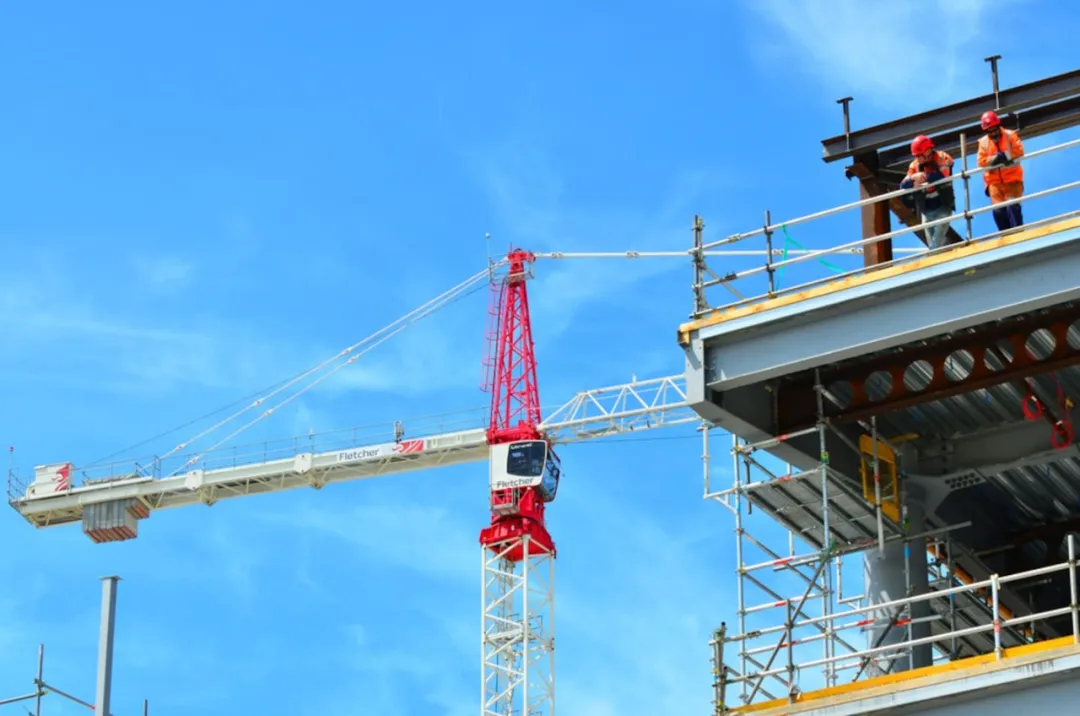
GDP grows 2.7%, crane count rises to 106: strong signs of recovery for New Zealand construction?
After a prolonged downturn, New Zealand’s construction industry is seeing a series of positive signs.

Property · Building · Design
After a prolonged downturn, New Zealand’s construction industry is seeing a series of positive signs.

Once land is approved for housing, how far is it from someone moving into a new home?

On Friday 11 September, New Zealand’s Minister for Building and Construction, Hon Simon Watts, met representatives of Chinese businesses and Chinese business representatives from New Zealand in Beijing for constructive discussions on opportunities to deepen cooperation in building, construction, energy and infrastructure.
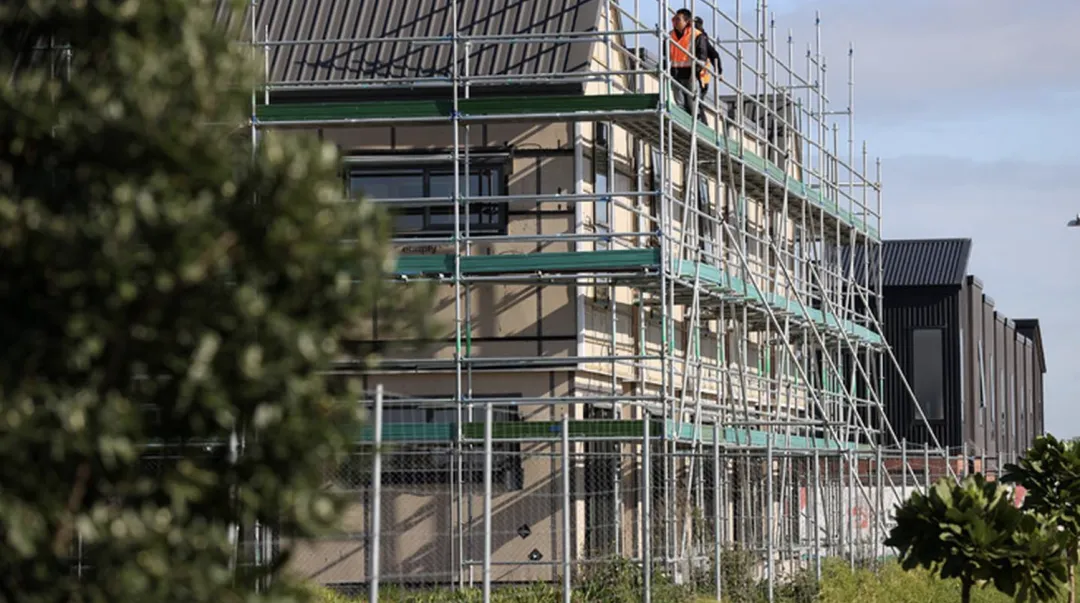
As spring begins, New Zealand’s housing market has yet to show a clear recovery.

On 18 September 2026, the South Island edition of the 2026 New Zealand International Building Expo & Summit (NZIBES) took place at the Air Force Museum in Christchurch. Organised by the New Zealand Chinese Building Industry Association (NZCBIA), with support from MultiMarketing, the event was themed “Engage, Empower, Elevate — Working in synergy, empowering progress”. It brought together representatives from construction, property, design, education, finance and related professions to network, collaborate and exchange ideas, while also contributing to the community through a charity auction.

The US Federal Reserve has raised interest rates for the first time in three years, while New Zealand’s economy avoided contraction in the second quarter with growth of just 0.2%. These two announcements, made on the same day, bring the outlook for interest rates into clearer focus: global funding costs are rising again, while the local economy has yet to weaken enough to force the central bank to change course. For homeowners, the era of ultra-low mortgage rates is over, and higher rates may last longer than previously expected.
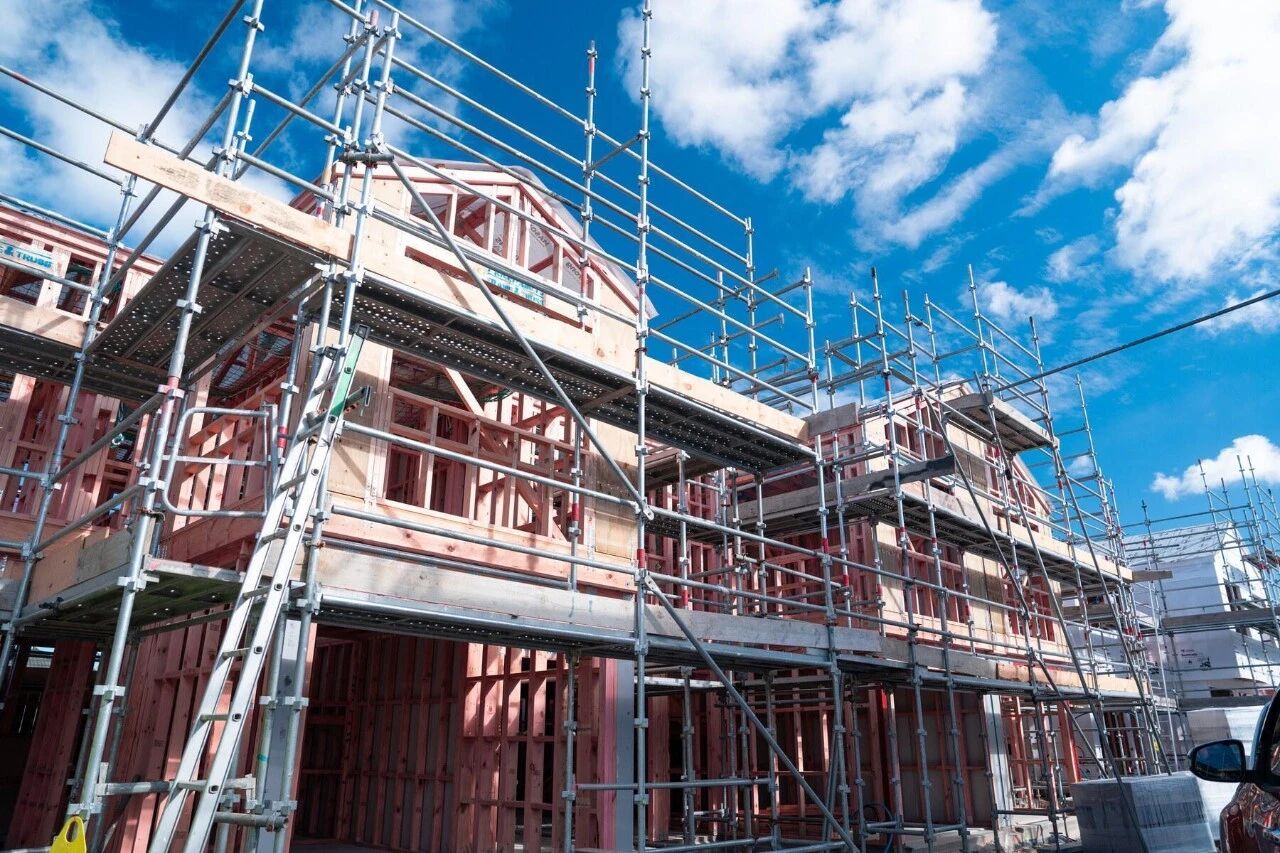
When choosing townhouses, people usually focus first on layout, natural light, location and price. But it is often only after moving in that they discover that the construction details that are difficult to spot during a viewing determine how quiet, comfortable and private a home feels.
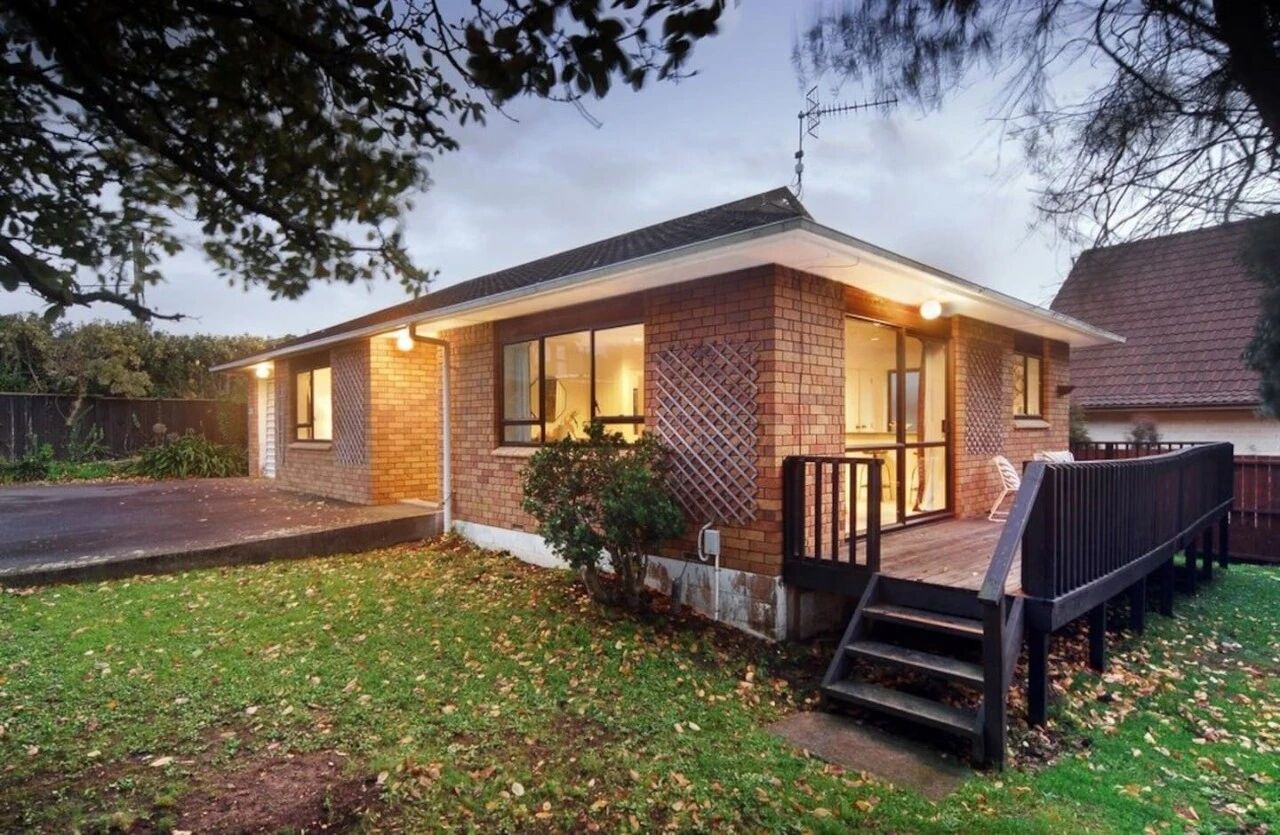
Owning a cross-lease property in New Zealand does not mean owners have complete freedom to decide how to alter it. Extending a house, adding a deck or even simply adding a long-existing sunroom to the title plan may require a neighbour’s signature.
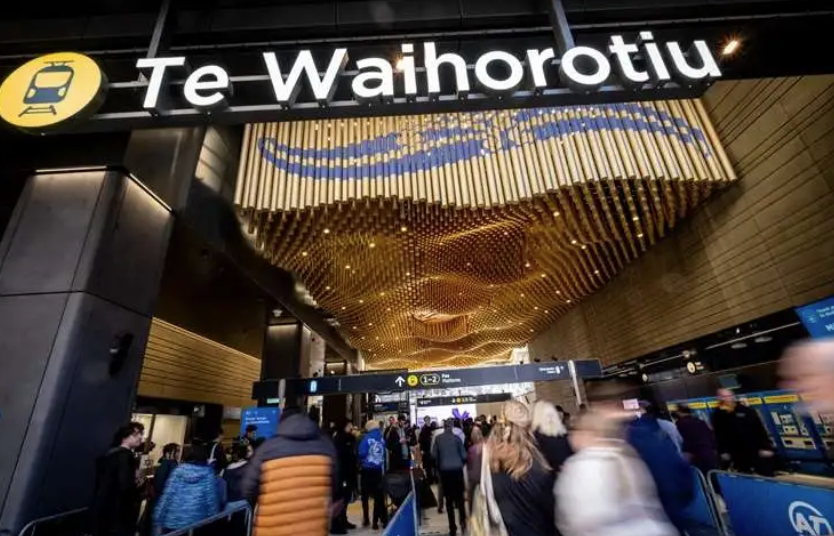
After decades of waiting, construction delays, rising costs and prolonged disruption from building work, Auckland’s NZ$5,500,000,000 City Rail Link (CRL) has finally begun operating.
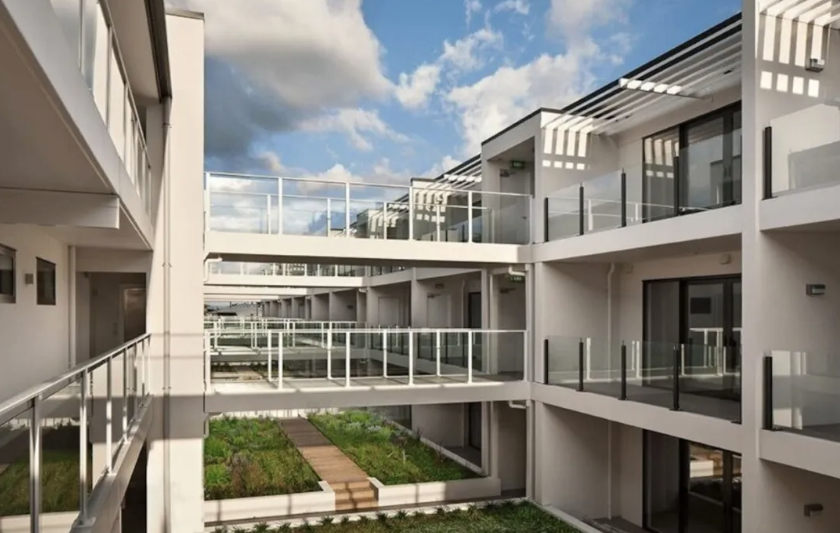
An apartment complex in Auckland’s Mt Wellington, completed only about a decade ago, has required a full replacement of its hot-water pipes after they developed cracks, leaving the owners of 107 apartments to cover NZ$1,800,000 in repair costs.

On 8 September 2026, New Zealand Prime Minister Christopher Luxon attended an event at the Employers and Manufacturers Association (EMA) in Auckland, outlining his view of New Zealand: a country emerging from economic hardship while facing a more unstable world.
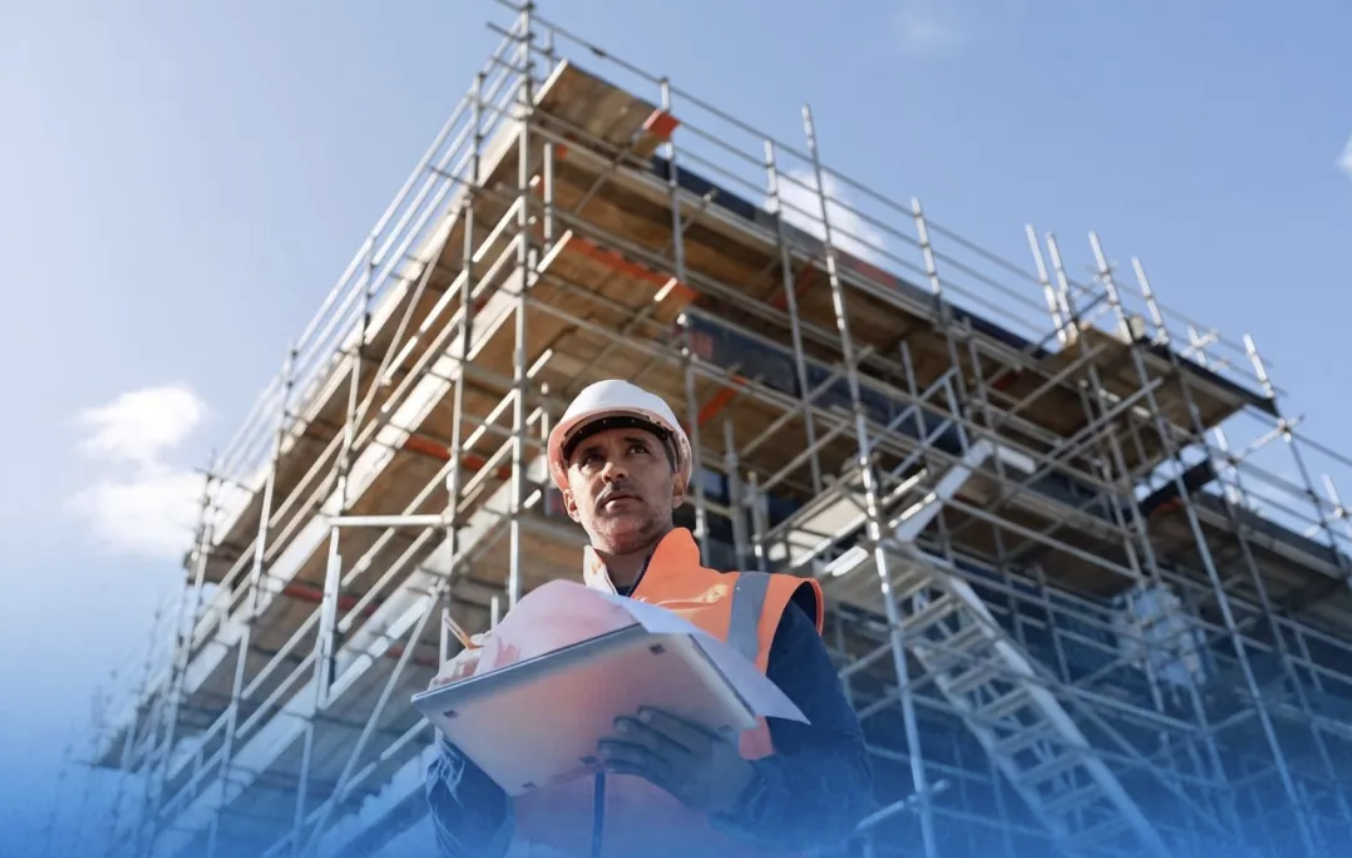
What is truly scarce is not a project bearing the ‘Build-to-Rent’ label, but one that can meet all the requirements: an approved fund, sufficient scale, long-term operation and professional management.